
Before Memmo my notes were scattered across PDFs. Now a workspace pulls everything into one place — I see exactly what's still left to study.
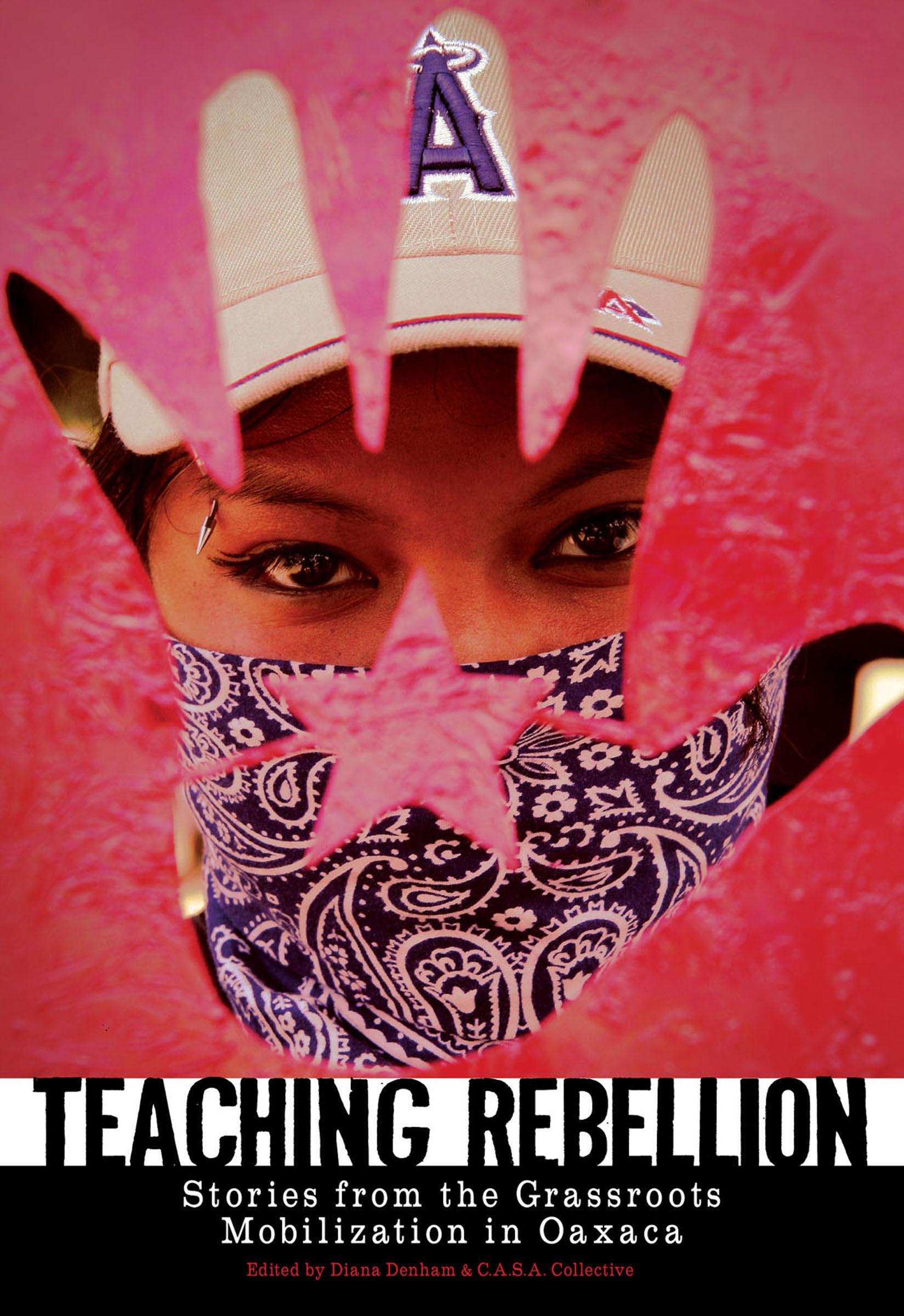
In 2006, Oaxaca, Mexico, came alive with a broad and diverse movement that captivated the nation and earned the admiration of communities organizing for social justice around the world. The show of international solidarity for the people of Oaxaca was the most extensive since the Zapatista uprising in 1994. Fueled by long ignored social contradictions, what began as a teachers” strike demanding more resources for education quickly turned into a massive movement that demanded direct, participatory democracy.
Hundreds of thousands of Oaxacans raised their voices against the abuses of the state government. They participated in marches of up to 800,000 people, occupied government buildings, took over radio stations, called for statewide labor and hunger strikes, held sit-ins, reclaimed spaces for public art and created altars for assassinated activists in public spaces. In the now legendary March of Pots and Pans, two thousand women peacefully took over and operated the state television channel for three weeks. Barricades that were built all over the city to prevent the passage of paramilitaries and defend occupied public spaces, quickly became a place where neighbors got to know each other, shared ideas and developed new strategies for organizing.
Despite the fierce repression that the movement faced—with hundreds arbitrarily detained, tortured, forced into hiding, or murdered by the state and federal forces and paramilitary death squads—people were determined to make their voices heard.
“Once you learn to speak, you don”t want to be quiet anymore,” an indigenous community radio activist said. Accompanied by photography and political art, Teaching Rebellion is a compilation of testimonies from longtime organizers, teachers, students, housewives, religious leaders, union members, schoolchildren, indigenous community activists, artists, journalists, and many others who participated in what became the Popular Assembly of the Peoples of Oaxaca. This is a chance to listen directly to those invested in and affected by what quickly became one of the most important social uprisings of the 21st century.
Before Memmo my notes were scattered across PDFs. Now a workspace pulls everything into one place — I see exactly what's still left to study.
Memmo's summaries are gold before exams. I don't have to re-read 800 pages two weeks before — just the important parts.
The AI chat has saved me the night before an exam more than once. I just keep asking until I get it — no waiting on a study group to reply.
The quizzes hit exactly what I need to know. Memmo tracks what I get stuck on — so I only practice what's worth it.
Flashcards with spaced repetition are magic. Memmo knows when I'm about to forget something and brings it back.
The AI podcasts are my favorite. I listen on my way to school and get a recap without sitting at a computer.

Handbok i kvalitativa metoder
281 kr

Hållbar utveckling: en introduktion för ingenjörer och andra problemlösare
334 kr

Brymans Samhällsvetenskapliga metoder
390 kr

Projektledning
491 kr

Den orättvisa hälsan: om socioekonomiska skillnader i hälsa och livslängd
326 kr

Vetenskapsteori för nybörjare
196 kr

Organizational Leadership
429 kr

På väg mot läraryrket
172 kr

Det sociala livet i skolan: Socialpsykologiska perspektiv
253 kr

Betygsättningens didaktik
151 kr

Personality
402 kr

Studying Leadership
404 kr

Managing Innovation
477 kr

Introduktion till samhällsvetenskaplig metod
347 kr

The Psychology of Sex and Gender
698 kr

Evidens och kunskap för socialt arbete
207 kr

Introduction to Leadership
605 kr