
Before Memmo my notes were scattered across PDFs. Now a workspace pulls everything into one place — I see exactly what's still left to study.
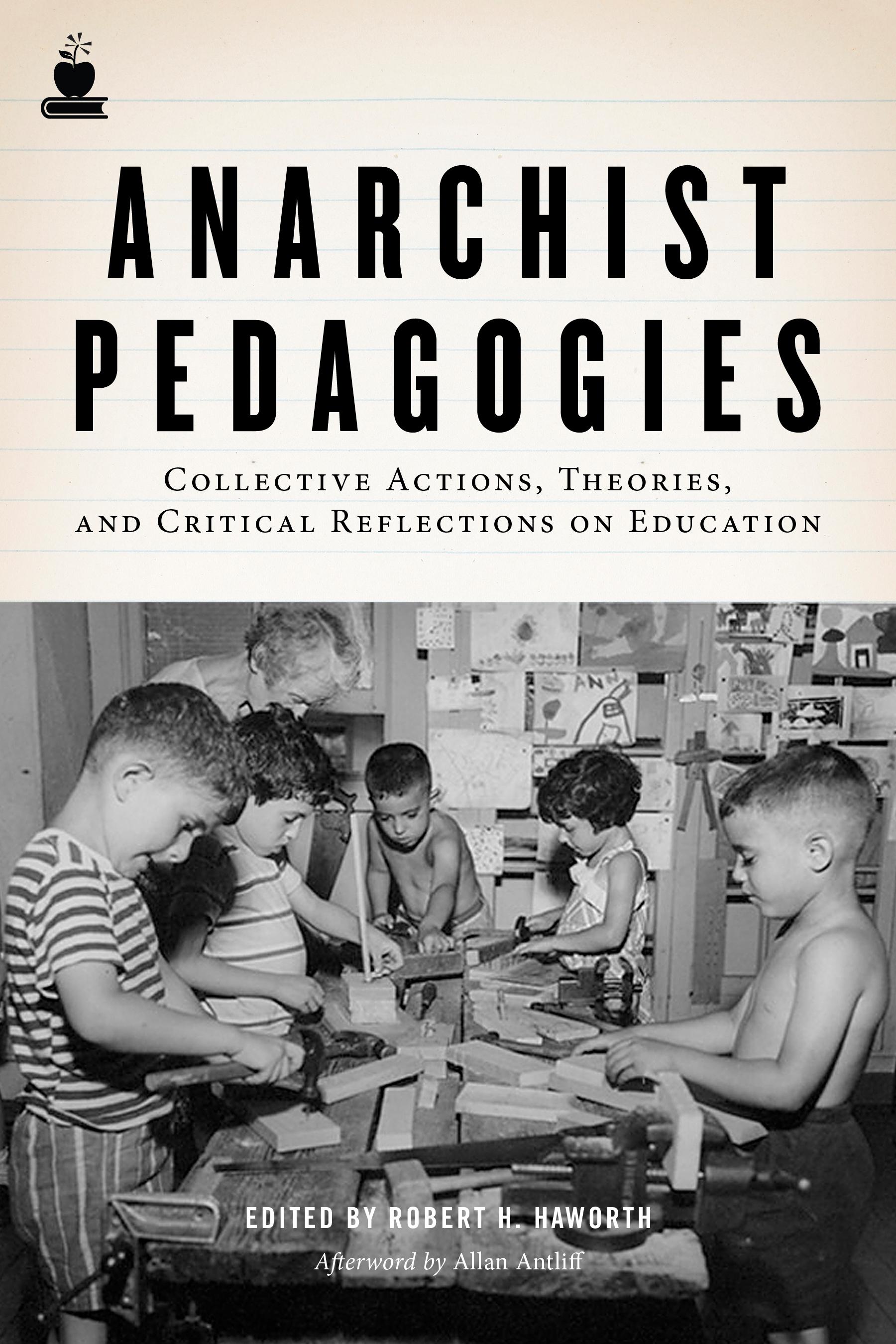
Education is a challenging subject for anarchists. Many are critical about working within a state-run education system that is embedded in hierarchical, standardized, and authoritarian structures. Numerous individuals and collectives envision the creation of counterpublics or alternative educational sites as possible forms of resistance, while other anarchists see themselves as “saboteurs” within the public arena—believing that there is a need to contest dominant forms of power and educational practices from multiple fronts. Of course, if anarchists agree that there are no blueprints for education, the question remains, in what dynamic and creative ways can we construct nonhierarchical, anti-authoritarian, mutual, and voluntary educational spaces?
Contributors to this edited volume engage readers in important and challenging issues in the area of anarchism and education. From Francisco Ferrer’s modern schools in Spain and the Work People’s College in the United States, to contemporary actions in developing “free skools” in the U.K. and Canada, to direct-action education such as learning to work as a “street medic” in the protests against neoliberalism, the contributors illustrate the importance of developing complex connections between educational theories and collective actions. Anarchists, activists, and critical educators should take these educational experiences seriously as they offer invaluable examples for potential teaching and learning environments outside of authoritarian and capitalist structures. Major themes in the volume include: learning from historical anarchist experiments in education, ways that contemporary anarchists create dynamic and situated learning spaces, and finally, critically reflecting on theoretical frameworks and educational practices. Contributors include: David Gabbard, Jeffery Shantz, Isabelle Fremeaux & John Jordan, Abraham P. DeLeon, Elsa Noterman, Andre Pusey, Matthew Weinstein, Alex Khasnabish, and many others.
Before Memmo my notes were scattered across PDFs. Now a workspace pulls everything into one place — I see exactly what's still left to study.
Memmo's summaries are gold before exams. I don't have to re-read 800 pages two weeks before — just the important parts.
The AI chat has saved me the night before an exam more than once. I just keep asking until I get it — no waiting on a study group to reply.
The quizzes hit exactly what I need to know. Memmo tracks what I get stuck on — so I only practice what's worth it.
Flashcards with spaced repetition are magic. Memmo knows when I'm about to forget something and brings it back.
The AI podcasts are my favorite. I listen on my way to school and get a recap without sitting at a computer.

Handbok i kvalitativa metoder
281 kr

Hållbar utveckling: en introduktion för ingenjörer och andra problemlösare
334 kr

Brymans Samhällsvetenskapliga metoder
390 kr

Projektledning
491 kr

Den orättvisa hälsan: om socioekonomiska skillnader i hälsa och livslängd
326 kr

Organizational Leadership
429 kr

Vetenskapsteori för nybörjare
196 kr

På väg mot läraryrket
172 kr

Det sociala livet i skolan: Socialpsykologiska perspektiv
253 kr

Betygsättningens didaktik
151 kr

Personality
402 kr

Studying Leadership
404 kr

Managing Innovation
477 kr

Introduktion till samhällsvetenskaplig metod
347 kr

The Psychology of Sex and Gender
698 kr

Evidens och kunskap för socialt arbete
207 kr

Introduction to Leadership
605 kr