
Before Memmo my notes were scattered across PDFs. Now a workspace pulls everything into one place — I see exactly what's still left to study.
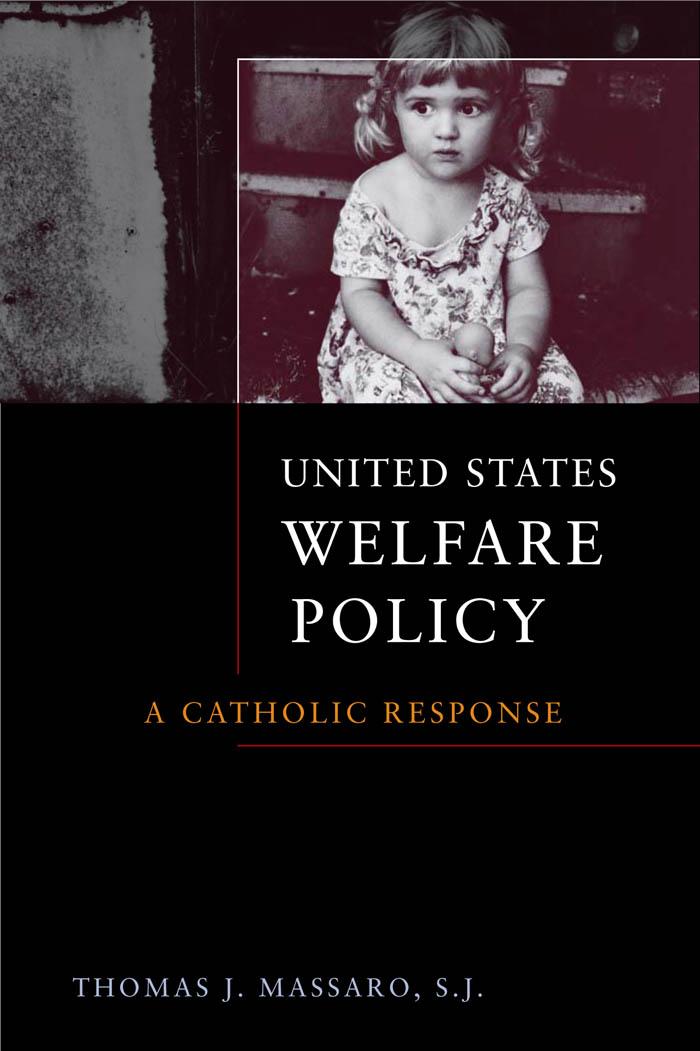
The Welfare Reform Act of 1996 drastically changed the delivery of social services in the United States for the first time in sixty years. More than a decade later, according to Catholic social ethicist Thomas Massaro, a disturbing gap exists between the laws we have enacted as a nation and the moral concerns we profess as a people.
Massaro contends that ethicists too often focus on strictly theoretical concerns rather than engaging concrete social and political issues, while public policy experts are uncomfortable drawing ethical judgments about legislation. United States Welfare Policy takes a fresh approach to the topic by using Catholic social teaching as a lens through which to view contemporary American welfare policies, citing the tradition's emphasis on serving the needy—including a preferential option for the poor—and the common good.
Massaro maintains that the most important outcome of welfare policy is not the cost-effectiveness of programs, but the well-being of individual families. The concluding analysis of this thoughtful study applies Catholic ethical concerns to specific aspects of welfare reform, including the funding mechanisms for the Temporary Assistance to Needy Families (TANF) program, work participation requirements affecting the bond between mothers and children, eligibility rules, the intrusion of family caps into reproductive decisions, and the imposition of disproportionate burdens upon particular demographic groups.
Massaro offers possible alternatives in each case and, as the fight over reauthorization of the welfare act continues, he calls on Catholic churches and clergy and laity to take action and advocate publicly for a more ethical approach to welfare reform.
Before Memmo my notes were scattered across PDFs. Now a workspace pulls everything into one place — I see exactly what's still left to study.
Memmo's summaries are gold before exams. I don't have to re-read 800 pages two weeks before — just the important parts.
The AI chat has saved me the night before an exam more than once. I just keep asking until I get it — no waiting on a study group to reply.
The quizzes hit exactly what I need to know. Memmo tracks what I get stuck on — so I only practice what's worth it.
Flashcards with spaced repetition are magic. Memmo knows when I'm about to forget something and brings it back.
The AI podcasts are my favorite. I listen on my way to school and get a recap without sitting at a computer.

Handbok i kvalitativa metoder
281 kr

Hållbar utveckling: en introduktion för ingenjörer och andra problemlösare
334 kr

Brymans Samhällsvetenskapliga metoder
390 kr

Projektledning
491 kr

Den orättvisa hälsan: om socioekonomiska skillnader i hälsa och livslängd
326 kr

Vetenskapsteori för nybörjare
196 kr

Organizational Leadership
429 kr

På väg mot läraryrket
172 kr

Det sociala livet i skolan: Socialpsykologiska perspektiv
253 kr

Betygsättningens didaktik
151 kr

Personality
402 kr

Studying Leadership
404 kr

Managing Innovation
477 kr

Introduktion till samhällsvetenskaplig metod
347 kr

The Psychology of Sex and Gender
698 kr

Evidens och kunskap för socialt arbete
207 kr

Introduction to Leadership
605 kr