
Before Memmo my notes were scattered across PDFs. Now a workspace pulls everything into one place — I see exactly what's still left to study.
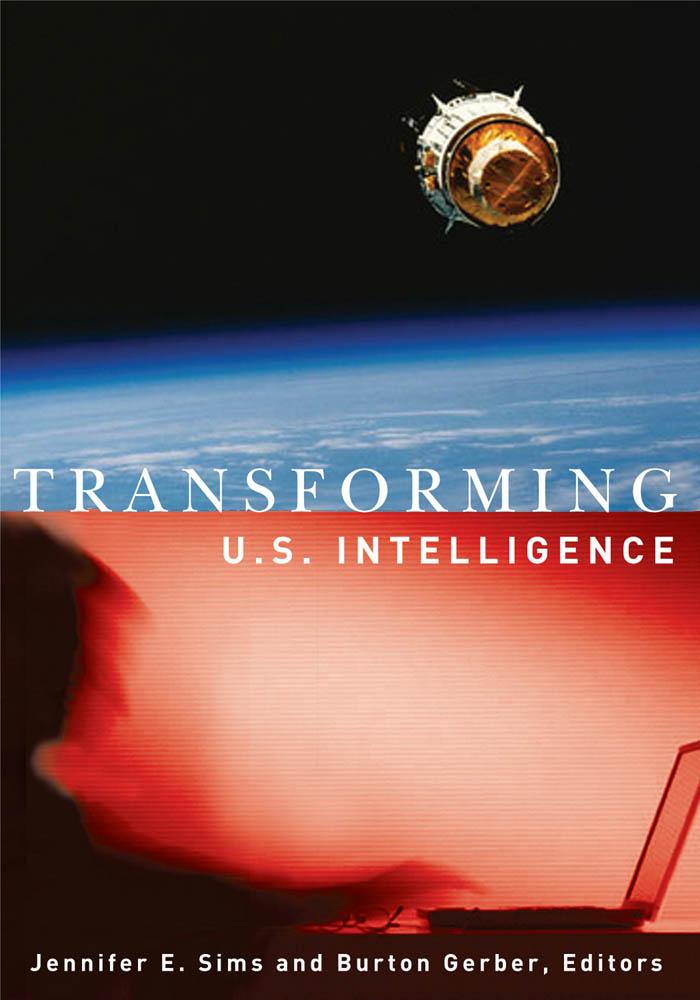
The intelligence failures exposed by the events of 9/11 and the missing weapons of mass destruction in Iraq have made one thing perfectly clear: change is needed in how the U.S. intelligence community operates. Transforming U.S. Intelligence argues that transforming intelligence requires as much a look to the future as to the past and a focus more on the art and practice of intelligence rather than on its bureaucratic arrangements. In fact, while the recent restructuring, including the creation of the Department of Homeland Security, may solve some problems, it has also created new ones. The authors of this volume agree that transforming policies and practices will be the most effective way to tackle future challenges facing the nation's security.
This volume's contributors, who have served in intelligence agencies, the Departments of State or Defense, and the staffs of congressional oversight committees, bring their experience as insiders to bear in thoughtful and thought-provoking essays that address what such an overhaul of the system will require. In the first section, contributors discuss twenty-first-century security challenges and how the intelligence community can successfully defend U.S. national interests. The second section focuses on new technologies and modified policies that can increase the effectiveness of intelligence gathering and analysis. Finally, contributors consider management procedures that ensure the implementation of enhanced capabilities in practice.
Transforming U.S. Intelligence supports the mandate of the new director of national intelligence by offering both careful analysis of existing strengths and weaknesses in U.S. intelligence and specific recommendations on how to fix its problems without harming its strengths. These recommendations, based on intimate knowledge of the way U.S. intelligence actually works, include suggestions for the creative mixing of technologies with new missions to bring about the transformation of U.S. intelligence without incurring unnecessary harm or expense. The goal is the creation of an intelligence community that can rapidly respond to developments in international politics, such as the emergence of nimble terrorist networks while reconciling national security requirements with the rights and liberties of American citizens.
Before Memmo my notes were scattered across PDFs. Now a workspace pulls everything into one place — I see exactly what's still left to study.
Memmo's summaries are gold before exams. I don't have to re-read 800 pages two weeks before — just the important parts.
The AI chat has saved me the night before an exam more than once. I just keep asking until I get it — no waiting on a study group to reply.
The quizzes hit exactly what I need to know. Memmo tracks what I get stuck on — so I only practice what's worth it.
Flashcards with spaced repetition are magic. Memmo knows when I'm about to forget something and brings it back.
The AI podcasts are my favorite. I listen on my way to school and get a recap without sitting at a computer.

Handbok i kvalitativa metoder
281 kr

Hållbar utveckling: en introduktion för ingenjörer och andra problemlösare
334 kr

Brymans Samhällsvetenskapliga metoder
390 kr

Projektledning
491 kr

Den orättvisa hälsan: om socioekonomiska skillnader i hälsa och livslängd
326 kr

Organizational Leadership
429 kr

Vetenskapsteori för nybörjare
196 kr

På väg mot läraryrket
172 kr

Det sociala livet i skolan: Socialpsykologiska perspektiv
253 kr

Betygsättningens didaktik
151 kr

Personality
402 kr

Studying Leadership
404 kr

Managing Innovation
477 kr

Introduktion till samhällsvetenskaplig metod
347 kr

The Psychology of Sex and Gender
698 kr

Evidens och kunskap för socialt arbete
207 kr

Introduction to Leadership
605 kr