
Before Memmo my notes were scattered across PDFs. Now a workspace pulls everything into one place — I see exactly what's still left to study.
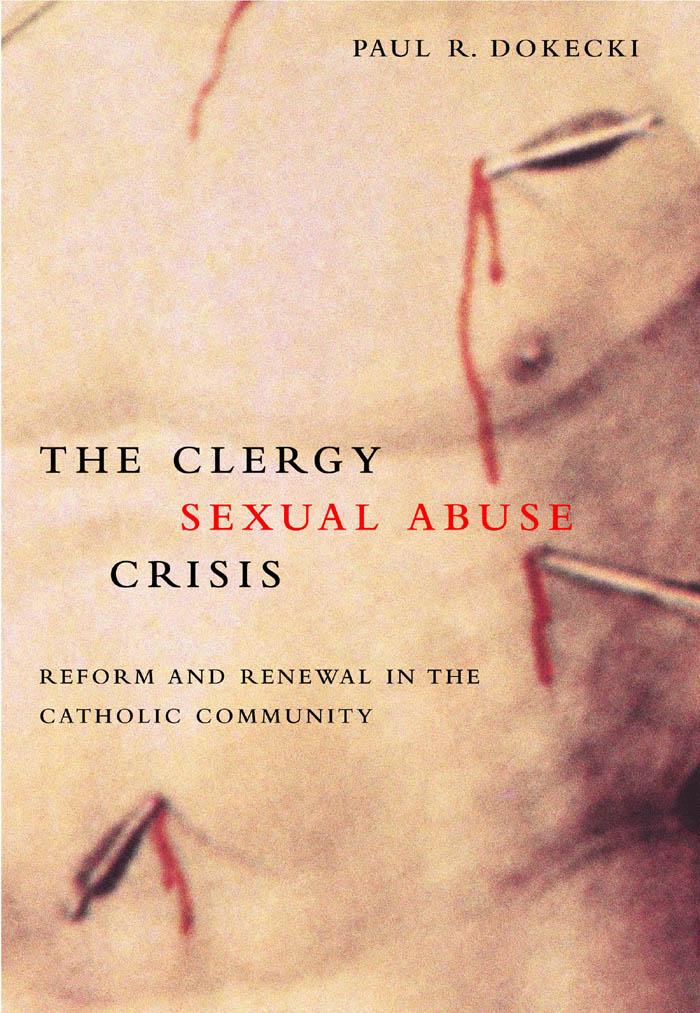
The story of sexual abuse of children by Catholic priests has sent shock waves around the nation and will not fade from consciousness or the news. We ask, "How could this happen?" And then we ask, "How could the Catholic Church let this continue for so long—in seeming silence and duplicity?" Paul R. Dokecki, a community psychologist at Vanderbilt University, an active Catholic, and a former board member of the National Catholic Education Association, investigates the crisis not only with the eye of an investigative reporter, but with the analytical skills and training of a psychologist as well. Moreover, he lays the foundation for reasonable and practical reform measures.
Through the scandal in the Archdiocese of Boston as well as the earlier, if less well known but momentous, case in the Diocese of Nashville, Dokecki reports on and analyzes what is ultimately an abuse of power—not only by the clergy but by church officials. As distasteful as these instances may be, they are compelling reading, enlightened by the author's abilities to contextualize these events through the lenses of professional ethics, the human sciences, and ecclesiology. According to Dokecki, these and other instances of clergy sexual abuse reveal a systemic deficiency in the structure and the nature of the church itself, one that has prevented the church from adequately dealing with its own worst sins.
Dokecki may shine a spotlight into the church's dark corners—but he does so in the service of enlightenment, calling the church back toward the vision of Vatican II and the spirit of Pope John XXIII—toward a greater transparency, a more open and participatory governance in the church, and for a greatly expanded role for the people of God who make up the church. It is in this way, Dokecki believes, the church will be better able to keep the innocent children of the church safe from harm.
Before Memmo my notes were scattered across PDFs. Now a workspace pulls everything into one place — I see exactly what's still left to study.
Memmo's summaries are gold before exams. I don't have to re-read 800 pages two weeks before — just the important parts.
The AI chat has saved me the night before an exam more than once. I just keep asking until I get it — no waiting on a study group to reply.
The quizzes hit exactly what I need to know. Memmo tracks what I get stuck on — so I only practice what's worth it.
Flashcards with spaced repetition are magic. Memmo knows when I'm about to forget something and brings it back.
The AI podcasts are my favorite. I listen on my way to school and get a recap without sitting at a computer.

Handbok i kvalitativa metoder
281 kr

Hållbar utveckling: en introduktion för ingenjörer och andra problemlösare
334 kr

Brymans Samhällsvetenskapliga metoder
390 kr

Projektledning
491 kr

Den orättvisa hälsan: om socioekonomiska skillnader i hälsa och livslängd
326 kr

Organizational Leadership
429 kr

Vetenskapsteori för nybörjare
196 kr

På väg mot läraryrket
172 kr

Det sociala livet i skolan: Socialpsykologiska perspektiv
253 kr

Betygsättningens didaktik
151 kr

Personality
402 kr

Studying Leadership
404 kr

Managing Innovation
477 kr

Introduktion till samhällsvetenskaplig metod
347 kr

The Psychology of Sex and Gender
698 kr

Evidens och kunskap för socialt arbete
207 kr

Introduction to Leadership
605 kr