
Before Memmo my notes were scattered across PDFs. Now a workspace pulls everything into one place — I see exactly what's still left to study.
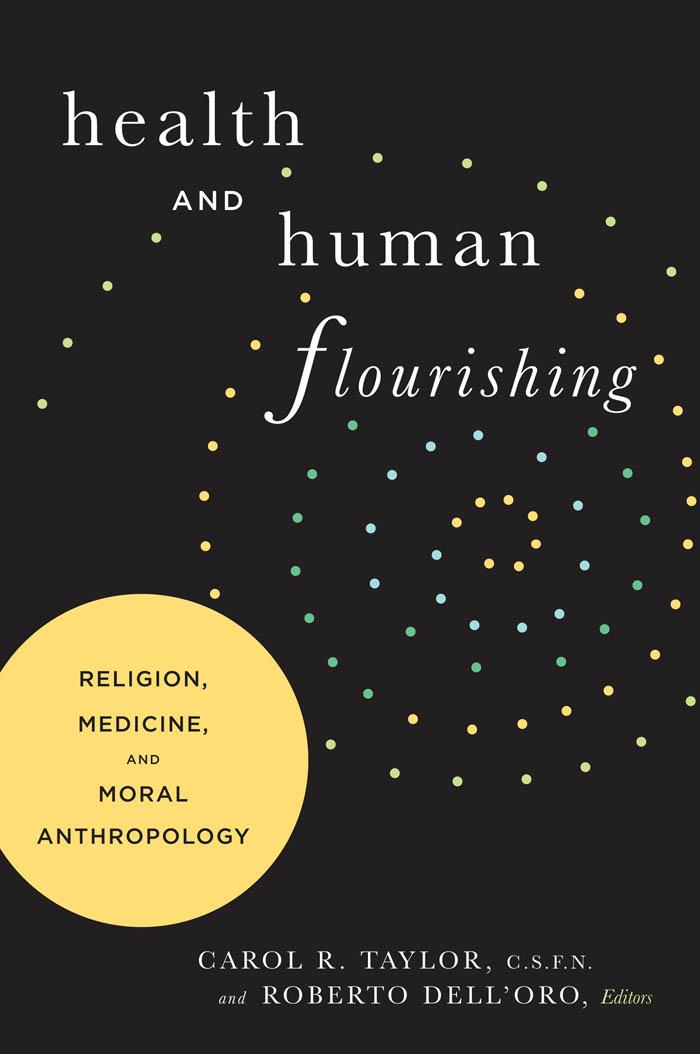
What, exactly, does it mean to be human? It is an age-old question, one for which theology, philosophy, science, and medicine have all provided different answers. But though a unified response to the question can no longer be taken for granted, how we answer it frames the wide range of different norms, principles, values, and intuitions that characterize today's bioethical discussions. If we don't know what it means to be human, how can we judge whether biomedical sciences threaten or enhance our humanity?
This fundamental question, however, receives little attention in the study of bioethics. In a field consumed with the promises and perils of new medical discoveries, emerging technologies, and unprecedented social change, current conversations about bioethics focus primarily on questions of harm and benefit, patient autonomy, and equality of health care distribution. Prevailing models of medical ethics emphasize human capacity for self-control and self-determination, rarely considering such inescapable dimensions of the human condition as disability, loss, and suffering, community and dignity, all of which make it difficult for us to be truly independent.
In Health and Human Flourishing, contributors from a wide range of disciplines mine the intersection of the secular and the religious, the medical and the moral, to unearth the ethical and clinical implications of these facets of human existence. Their aim is a richer bioethics, one that takes into account the roles of vulnerability, dignity, integrity, and relationality in human affliction as well as human thriving. Including an examination of how a theological anthropology—a theological understanding of what it means to be a human being—can help us better understand health care, social policy, and science, this thought-provoking anthology will inspire much-needed conversation among philosophers, theologians, and health care professionals.
Before Memmo my notes were scattered across PDFs. Now a workspace pulls everything into one place — I see exactly what's still left to study.
Memmo's summaries are gold before exams. I don't have to re-read 800 pages two weeks before — just the important parts.
The AI chat has saved me the night before an exam more than once. I just keep asking until I get it — no waiting on a study group to reply.
The quizzes hit exactly what I need to know. Memmo tracks what I get stuck on — so I only practice what's worth it.
Flashcards with spaced repetition are magic. Memmo knows when I'm about to forget something and brings it back.
The AI podcasts are my favorite. I listen on my way to school and get a recap without sitting at a computer.

Handbok i kvalitativa metoder
281 kr

Hållbar utveckling: en introduktion för ingenjörer och andra problemlösare
334 kr

Brymans Samhällsvetenskapliga metoder
390 kr

Projektledning
491 kr

Den orättvisa hälsan: om socioekonomiska skillnader i hälsa och livslängd
326 kr

Vetenskapsteori för nybörjare
196 kr

Organizational Leadership
429 kr

På väg mot läraryrket
172 kr

Det sociala livet i skolan: Socialpsykologiska perspektiv
253 kr

Betygsättningens didaktik
151 kr

Personality
402 kr

Studying Leadership
404 kr

Managing Innovation
477 kr

Introduktion till samhällsvetenskaplig metod
347 kr

The Psychology of Sex and Gender
698 kr

Evidens och kunskap för socialt arbete
207 kr

Introduction to Leadership
605 kr