
Before Memmo my notes were scattered across PDFs. Now a workspace pulls everything into one place — I see exactly what's still left to study.
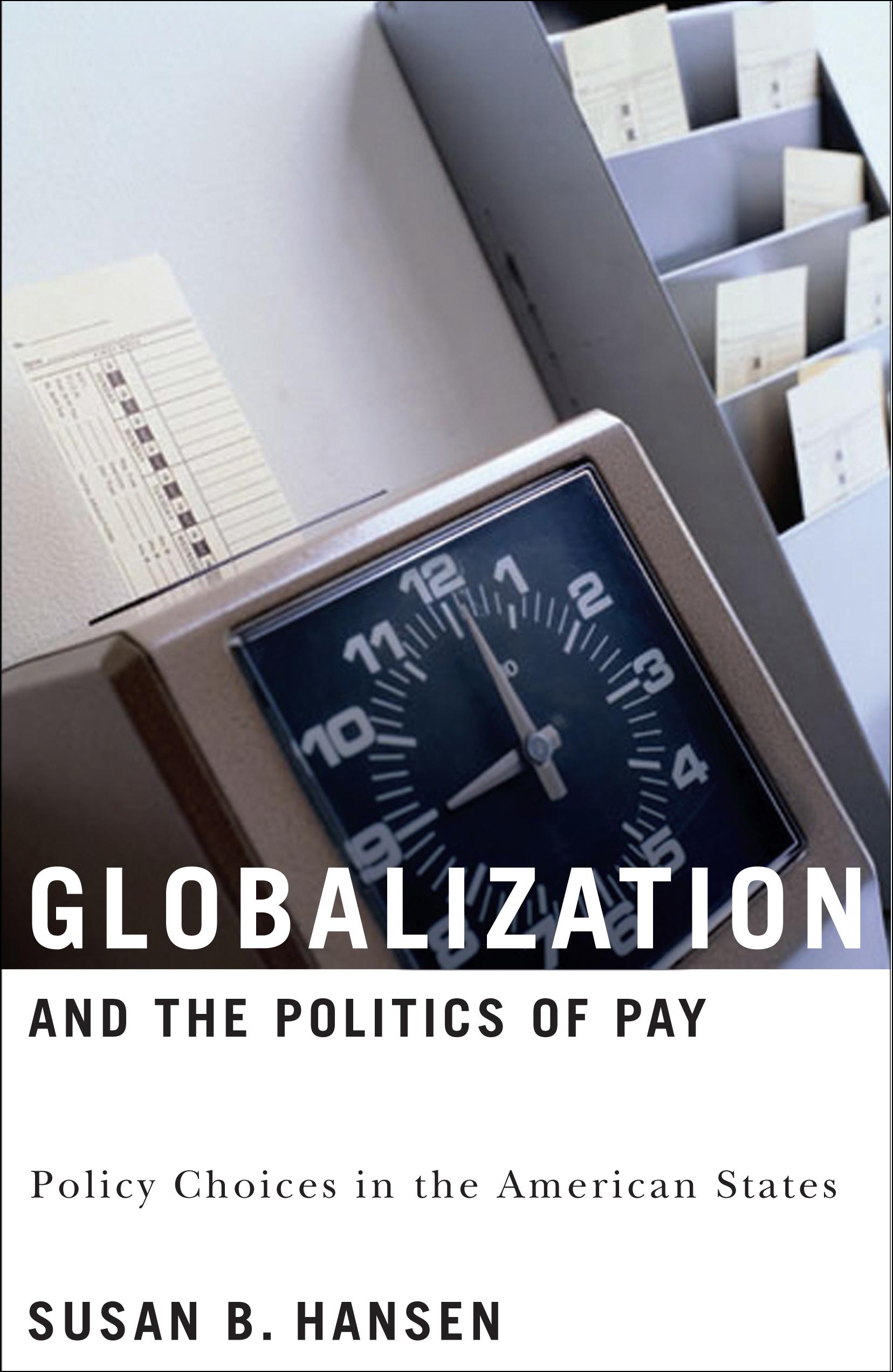
In the American federal system, states actively compete for jobs, business investment, and factory locations. Labor costs have played an important role in such interstate competition since the days of the pre-Civil War plantation economy. In recent years, however, global economic trends have put added pressures on businesses and government to reduce labor costs. At least, that is what most politicians, the media, and the business community believe.
Globalization and the Politics of Pay examines the economic, political, and social causes and consequences of declining wages in the United States. It challenges the conventional wisdom that globalization is to blame for the decline in workers' earnings. Susan B. Hansen presents a comprehensive analysis of the many factors affecting labor costs and concludes that many of them result from choices made by the states themselves through the laws and policies they enact. In addition, free-market ideologies and low voter turnout have had greater effects in keeping wages down than globalization. In fact, foreign trade and investment can actually result in higher pay in the state labor market.
In this rigorous yet surprising study, Hansen develops new measures of state and federal labor costs to test competing theories of the consequences of reducing wages and benefits. Most economists would argue that higher labor costs cause higher unemployment, and that reducing labor costs will lead to higher levels of job creation. But citizens and elected officials must weigh any employment gains in lower-wage jobs against slower state economic growth, declining personal income, and a less-competitive position in international trade. Cutting state labor costs is shown to have adverse social consequences, including family instability, high crime rates, poverty, and low voter turnouts. The book concludes with policy recommendations for state governments trying to balance their need for more jobs with policies to enhance productivity, living standards, social stability, and international competitiveness.
Before Memmo my notes were scattered across PDFs. Now a workspace pulls everything into one place — I see exactly what's still left to study.
Memmo's summaries are gold before exams. I don't have to re-read 800 pages two weeks before — just the important parts.
The AI chat has saved me the night before an exam more than once. I just keep asking until I get it — no waiting on a study group to reply.
The quizzes hit exactly what I need to know. Memmo tracks what I get stuck on — so I only practice what's worth it.
Flashcards with spaced repetition are magic. Memmo knows when I'm about to forget something and brings it back.
The AI podcasts are my favorite. I listen on my way to school and get a recap without sitting at a computer.

Handbok i kvalitativa metoder
281 kr

Hållbar utveckling: en introduktion för ingenjörer och andra problemlösare
334 kr

Brymans Samhällsvetenskapliga metoder
390 kr

Projektledning
491 kr

Den orättvisa hälsan: om socioekonomiska skillnader i hälsa och livslängd
326 kr

Vetenskapsteori för nybörjare
196 kr

Organizational Leadership
429 kr

På väg mot läraryrket
172 kr

Det sociala livet i skolan: Socialpsykologiska perspektiv
253 kr

Betygsättningens didaktik
151 kr

Personality
402 kr

Studying Leadership
404 kr

Managing Innovation
477 kr

Introduktion till samhällsvetenskaplig metod
347 kr

The Psychology of Sex and Gender
698 kr

Evidens och kunskap för socialt arbete
207 kr

Introduction to Leadership
605 kr