
Before Memmo my notes were scattered across PDFs. Now a workspace pulls everything into one place — I see exactly what's still left to study.
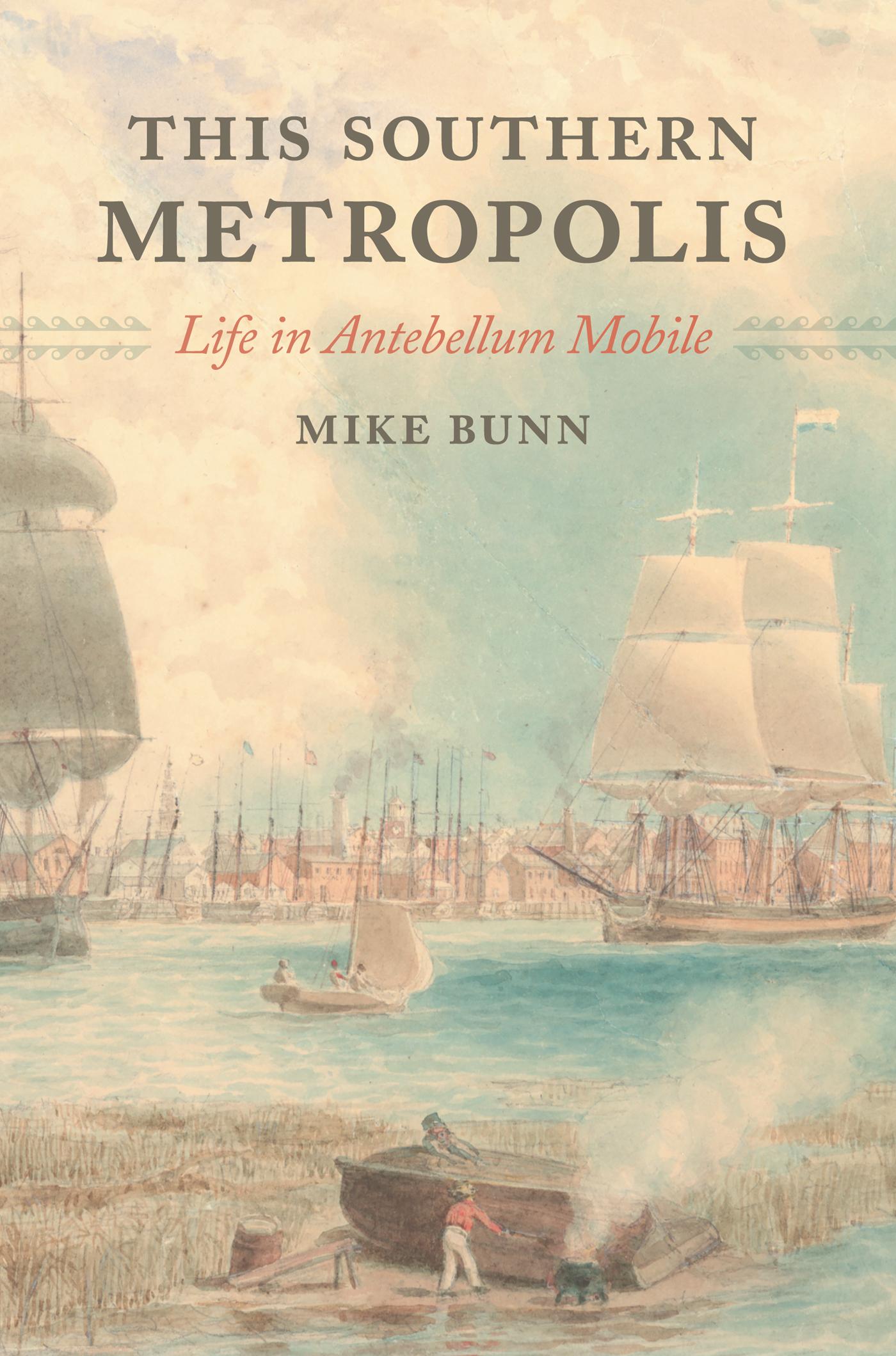
Based on visitor descriptions of antebellum Mobile, Alabama’s physical and social environment, this book captures a place and time that is particular to Gulf Coast history. Mobile’s foundational era is a period in which the city transformed from a struggling colonial outpost into one of the nation’s most significant economic powerhouses, largely owing to the cotton trade and the labor of enslaved people. On the eve of the Civil War, the Mobile ranked as the fourth most populous community in what would soon become the Confederacy, and within the Gulf Coast region, it stood second only to New Orleans in population, wealth, and influence.
In addition to ranking as one of the busiest ports in the United States, the city’s remarkable architecture, beautiful natural setting, and abundance of entertainment options combined to make it one of the South’s most distinctive communities. Its cultural diversity only added to its uniqueness. In addition to being home to the largest white population of any community in Alabama, the city also claimed the state’s largest free Black, foreign-born, and Creole communities. Mobile was the slave-trading center of the state until the 1850s as well and remained thoroughly intertwined with the institution of slavery throughout the antebellum period. By 1860 Mobile's population stood at nearly thirty thousand people, making it the twenty-seventh-largest city in the United States overall.
Although numerous histories of Mobile have been published, none have focused on the dozens of evocative firsthand accounts published by antebellum-era visitors. These writings allowed literary-minded travelers, who were often consciously looking for things that struck them as singular about a place, to become proxy tour guides for their contemporary readers. In attempting to capture the essence of the city’s reality at a specific moment in time, Mobile’s antebellum visitors have left us a unique record of one of the South’s most historic communities.
Before Memmo my notes were scattered across PDFs. Now a workspace pulls everything into one place — I see exactly what's still left to study.
Memmo's summaries are gold before exams. I don't have to re-read 800 pages two weeks before — just the important parts.
The AI chat has saved me the night before an exam more than once. I just keep asking until I get it — no waiting on a study group to reply.
The quizzes hit exactly what I need to know. Memmo tracks what I get stuck on — so I only practice what's worth it.
Flashcards with spaced repetition are magic. Memmo knows when I'm about to forget something and brings it back.
The AI podcasts are my favorite. I listen on my way to school and get a recap without sitting at a computer.

Handbok i kvalitativa metoder
281 kr

Hållbar utveckling: en introduktion för ingenjörer och andra problemlösare
334 kr

Brymans Samhällsvetenskapliga metoder
390 kr

Projektledning
491 kr

Den orättvisa hälsan: om socioekonomiska skillnader i hälsa och livslängd
326 kr

Vetenskapsteori för nybörjare
196 kr

Organizational Leadership
429 kr

På väg mot läraryrket
172 kr

Det sociala livet i skolan: Socialpsykologiska perspektiv
253 kr

Betygsättningens didaktik
151 kr

Personality
402 kr

Studying Leadership
404 kr

Managing Innovation
477 kr

Introduktion till samhällsvetenskaplig metod
347 kr

The Psychology of Sex and Gender
698 kr

Evidens och kunskap för socialt arbete
207 kr

Introduction to Leadership
605 kr