
Before Memmo my notes were scattered across PDFs. Now a workspace pulls everything into one place — I see exactly what's still left to study.
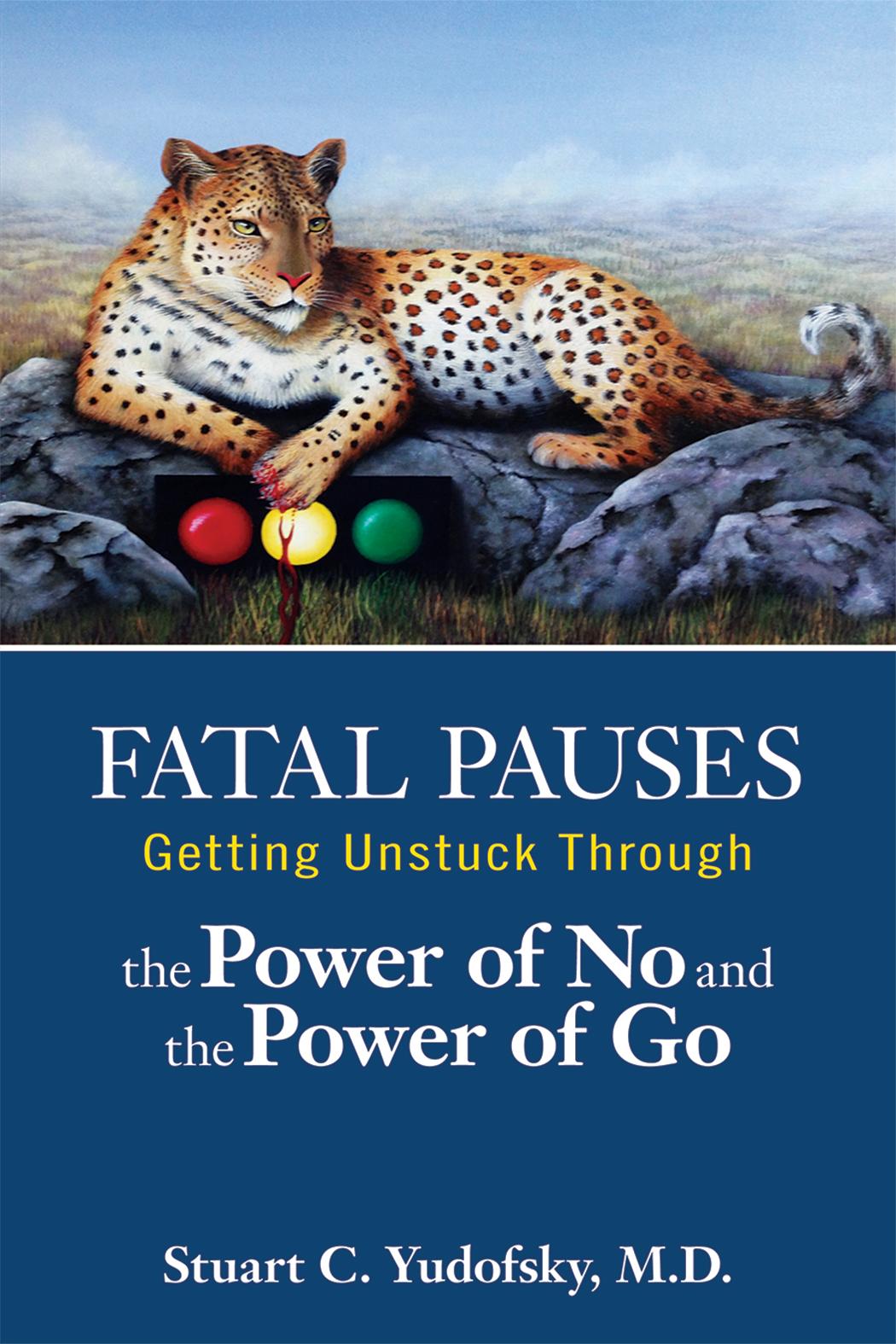
People can become stuck in many ways and for a wide variety of reasons, explains the author of Fatal Pauses, that rare book that both clinicians and general readers can benefit from and enjoy. Novelistic in its depictions of composite patients but clear-eyed in its analysis, the book offers a "3-D method" of addressing "stuck"-ness, which is defined as "not stopping something that is bad for us" or "not starting and staying with something that is good for us." The process of discovering why one is stuck, deciding to become unstuck, and then asserting the discipline required to do so is brought to vivid life by one of the most respected psychiatrists of our day.
The book's structure is logical and engaging: The Am I Stuck? Scale can be self-administered by general readers or administered by clinicians to their patients. This first chapter sets the stage for what follows. The 3-D method of getting unstuck is presented in a systematic, easy-to-comprehend manner that begins with a brief overview and proceeds to more detailed instructions and insights. Riveting case examples make up the heart of the book. They are not mere summaries but consist of thorough and detailed clinical descriptions that provide context, in addition to extensive dialogue and analysis. Several of these cases are divided into multiple chapters, providing a comprehensive clinical picture to help both mental health professionals and lay readers increase their understanding of being "stuck." A range of categories or "stuck"-ness is addressed, including being trapped by career choices, limited by obesity, paralyzed by an unsatisfying marriage, incapacitated by addiction, and imprisoned by the need to please. Of special note is the case example of a young man whose interpersonal relationships have gradually, but progressively, become reduced to computer-based encounters. The author's examination of this individual's fixation on video games and virtual realities and his escape from this cyberprison through treatment is both timely and compelling. Finally, the author provides an evolutionary and neurobiological overview of how we become "stuck," which helps the reader grasp the underpinnings of this behavior and learn how to become "unstuck."
Written in a warm and disarming style, Fatal Pauses will find a home in clinicians' libraries,waiting rooms, and on family room bookshelves.
Before Memmo my notes were scattered across PDFs. Now a workspace pulls everything into one place — I see exactly what's still left to study.
Memmo's summaries are gold before exams. I don't have to re-read 800 pages two weeks before — just the important parts.
The AI chat has saved me the night before an exam more than once. I just keep asking until I get it — no waiting on a study group to reply.
The quizzes hit exactly what I need to know. Memmo tracks what I get stuck on — so I only practice what's worth it.
Flashcards with spaced repetition are magic. Memmo knows when I'm about to forget something and brings it back.
The AI podcasts are my favorite. I listen on my way to school and get a recap without sitting at a computer.

Handbok i kvalitativa metoder
281 kr

Hållbar utveckling: en introduktion för ingenjörer och andra problemlösare
334 kr

Brymans Samhällsvetenskapliga metoder
390 kr

Projektledning
491 kr

Den orättvisa hälsan: om socioekonomiska skillnader i hälsa och livslängd
326 kr

Organizational Leadership
429 kr

Vetenskapsteori för nybörjare
196 kr

På väg mot läraryrket
172 kr

Det sociala livet i skolan: Socialpsykologiska perspektiv
253 kr

Betygsättningens didaktik
151 kr

Personality
402 kr

Studying Leadership
404 kr

Managing Innovation
477 kr

Introduktion till samhällsvetenskaplig metod
347 kr

The Psychology of Sex and Gender
698 kr

Evidens och kunskap för socialt arbete
207 kr

Introduction to Leadership
605 kr