
Before Memmo my notes were scattered across PDFs. Now a workspace pulls everything into one place — I see exactly what's still left to study.
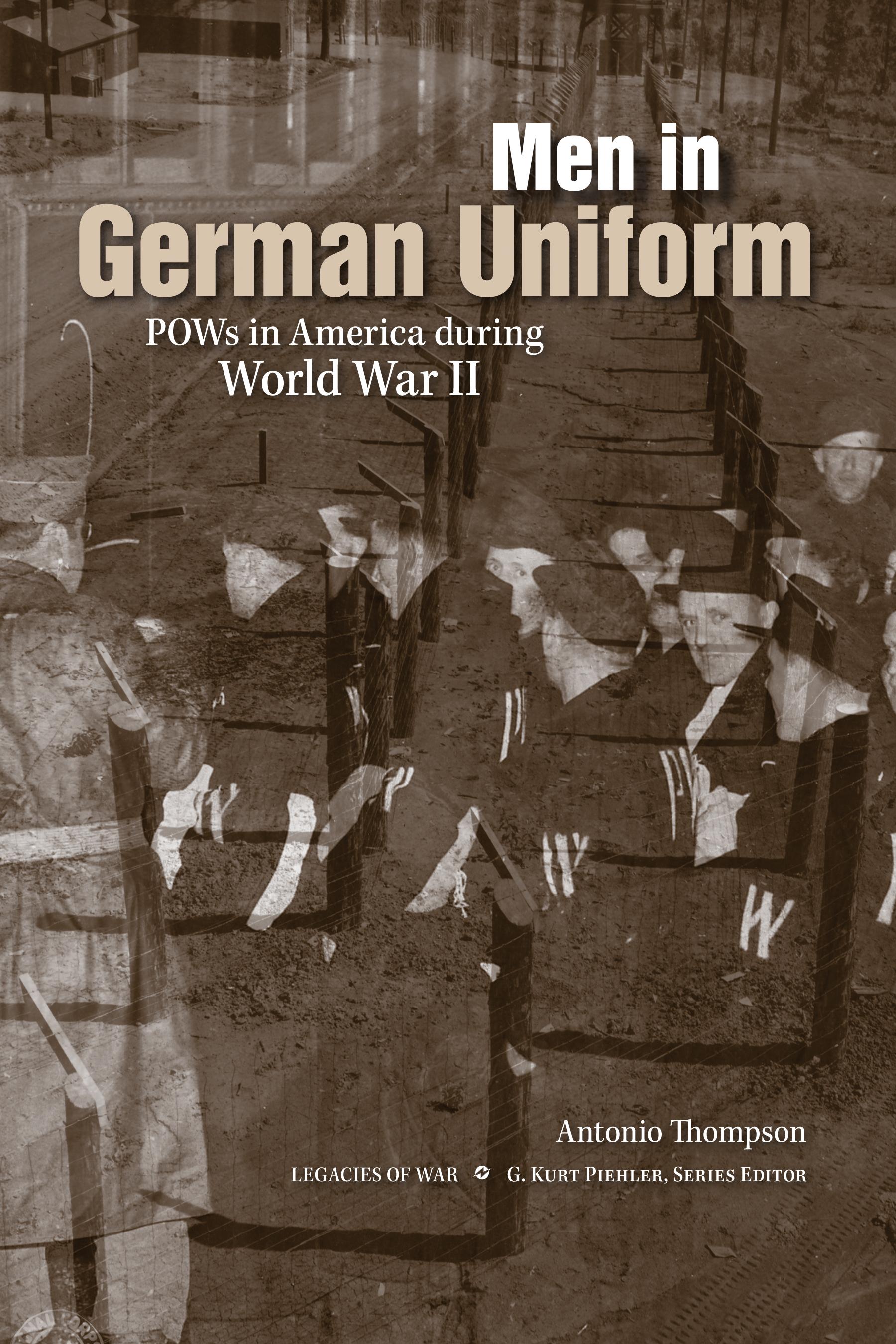
Examining the largest prisoner-of-war handling operation in U.S. history, this book offers a meticulous account of the myriad history, this book offers a meticulous account of the myriad problems—as well as the impressive successes—that came with problems—as well as the impressive successes—that came with housing 371,000 German POWs on American soil during World War II. Antonio Thompson draws on extensive archival research to probe the various ways in which the U.S. government strove to comply with the Geneva Convention’s mandate that enemy prisoners be moved from the war zone and given food, shelter, and clothing equal to that provided for American soldiers.
While the prisoners became a ready source of manpower for the labor- starved American home front and received small wages in return, their stay in the United States generated more than a few difficulties, which included not only daunting logistics but also violence within the camps. Such violence was often blamed on Nazi influence and control; however, as Thompson points out, only a few of the prisoners were actually Nazis. Because the Germans had cobbled together military forces that included convicts, their own POWs, volunteers from neutral nations, and conscripts from occupied countries, the bonds that held these soldiers together amid the pressures of combat dissolved once they were placed behind barbed wire. When these “men in German uniform,” who were not always Germans, donned POW garb, their former social, racial, religious, and ethnic tensions quickly reemerged.
To counter such troubles, American authorities organized various activities—including sports, arts, education, and religion—within the
POW camps; some prisoners even participated in an illegal denazification program created by the U.S. government. Despite the problems, Thompson argues, the POW-housing program proved largely successful, as Americans maintained their reputation for fairness and humane treatment during a time of widespread turmoil.
Before Memmo my notes were scattered across PDFs. Now a workspace pulls everything into one place — I see exactly what's still left to study.
Memmo's summaries are gold before exams. I don't have to re-read 800 pages two weeks before — just the important parts.
The AI chat has saved me the night before an exam more than once. I just keep asking until I get it — no waiting on a study group to reply.
The quizzes hit exactly what I need to know. Memmo tracks what I get stuck on — so I only practice what's worth it.
Flashcards with spaced repetition are magic. Memmo knows when I'm about to forget something and brings it back.
The AI podcasts are my favorite. I listen on my way to school and get a recap without sitting at a computer.

Handbok i kvalitativa metoder
281 kr

Hållbar utveckling: en introduktion för ingenjörer och andra problemlösare
334 kr

Brymans Samhällsvetenskapliga metoder
390 kr

Projektledning
491 kr

Den orättvisa hälsan: om socioekonomiska skillnader i hälsa och livslängd
326 kr

Vetenskapsteori för nybörjare
196 kr

Organizational Leadership
429 kr

På väg mot läraryrket
172 kr

Det sociala livet i skolan: Socialpsykologiska perspektiv
253 kr

Betygsättningens didaktik
151 kr

Personality
402 kr

Studying Leadership
404 kr

Managing Innovation
477 kr

Introduktion till samhällsvetenskaplig metod
347 kr

The Psychology of Sex and Gender
698 kr

Evidens och kunskap för socialt arbete
207 kr

Introduction to Leadership
605 kr