
Before Memmo my notes were scattered across PDFs. Now a workspace pulls everything into one place — I see exactly what's still left to study.
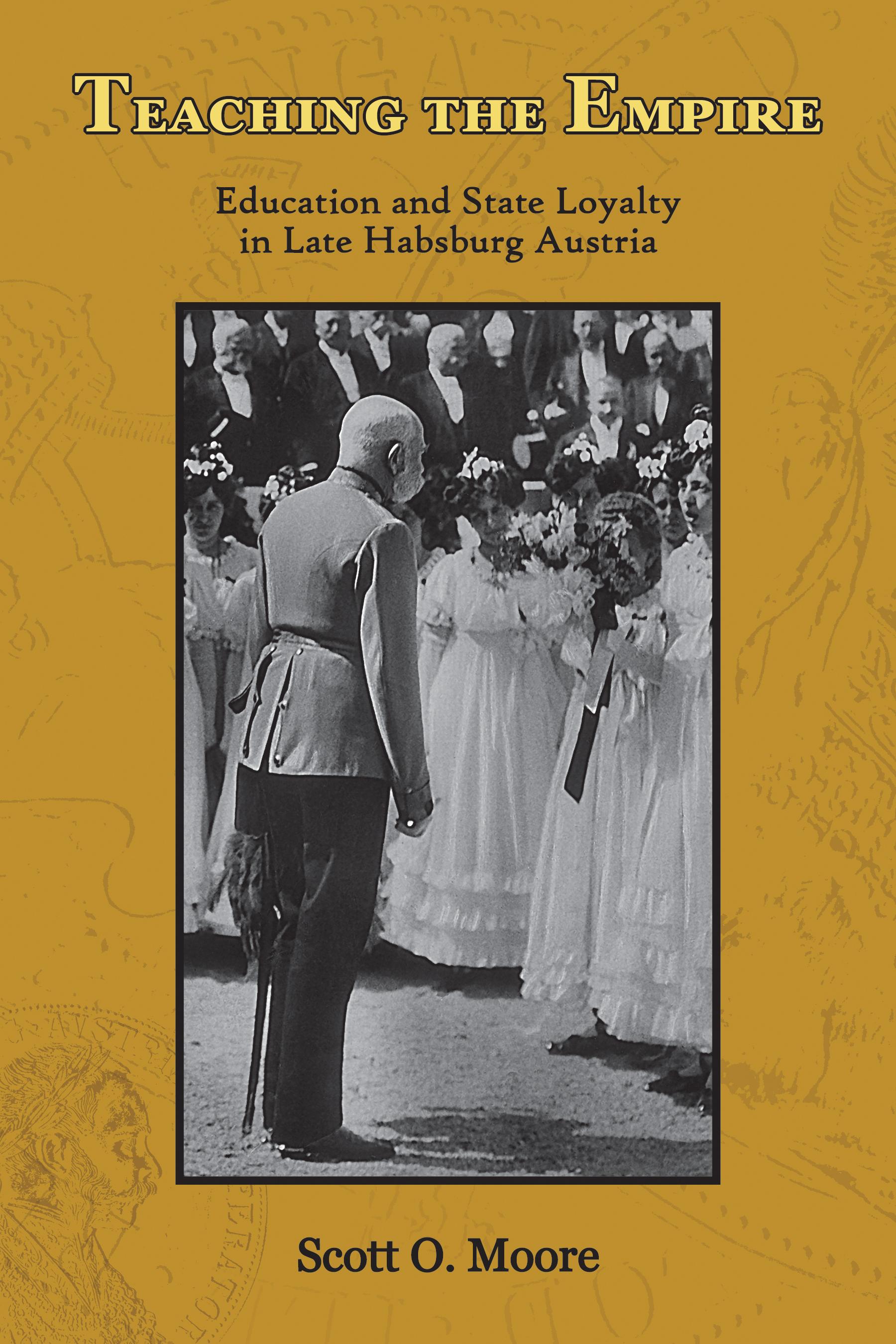
In the second half of the nineteenth century, school officials in Habsburg Austria designed and implemented a robust system of civic education in elementary and secondary schools. This system was intended to make students become patriotic citizens and to help them develop an attachment to the multinational Habsburg state. The officials attempted to accomplish these goals in a way that constructively utilized existing national and regional identities, hoping these identities could strengthen, rather than diminish, the cohesion of Austria. Instead of attempting to forge an Austrian national identity, Austrian civic education promoted a layered identity that allowed for ethnic, national, and regional identities to exist within an imperial, supranational, Austrian framework. This layered identity was unique and represented an alternative to models of civic education that relied on language, culture, and nationality to serve as the primary unifying force within a state.
Civic education, a state’s effort to develop the loyalty of its citizens, prepare them to operate in political and civil society, and shape the way they regard their government, became a vital component of the public school curriculum in Europe and the United States in the second half of the nineteenth century. On a basic level, civic education in public school taught children how their state operated, how their government was organized, and their rights and obligations as citizens. Civic education also helped to articulate the common myths, heroes, and ideas that could bind a society together. It helped children think of themselves as members of the community of the state. In Austria- Hungary, the Habsburg dynasty served as the strongest connective thread binding its diverse lands and peoples, making Austrian identity an imperial identity. This dynastic union also meant that Austrian identity was supranational in nature. An individual was Austrian because he or she lived in the Habsburg Monarchy, not because he or she belonged to a specific national, ethnic, or linguistic group. As a result, Austrian identity was inclusive, rather than exclusive, and could be embraced by everyone within the Monarchy’s borders.
Before Memmo my notes were scattered across PDFs. Now a workspace pulls everything into one place — I see exactly what's still left to study.
Memmo's summaries are gold before exams. I don't have to re-read 800 pages two weeks before — just the important parts.
The AI chat has saved me the night before an exam more than once. I just keep asking until I get it — no waiting on a study group to reply.
The quizzes hit exactly what I need to know. Memmo tracks what I get stuck on — so I only practice what's worth it.
Flashcards with spaced repetition are magic. Memmo knows when I'm about to forget something and brings it back.
The AI podcasts are my favorite. I listen on my way to school and get a recap without sitting at a computer.

Handbok i kvalitativa metoder
281 kr

Hållbar utveckling: en introduktion för ingenjörer och andra problemlösare
334 kr

Brymans Samhällsvetenskapliga metoder
390 kr

Projektledning
491 kr

Den orättvisa hälsan: om socioekonomiska skillnader i hälsa och livslängd
326 kr

Organizational Leadership
429 kr

Vetenskapsteori för nybörjare
196 kr

På väg mot läraryrket
172 kr

Det sociala livet i skolan: Socialpsykologiska perspektiv
253 kr

Betygsättningens didaktik
151 kr

Personality
402 kr

Studying Leadership
404 kr

Managing Innovation
477 kr

Introduktion till samhällsvetenskaplig metod
347 kr

The Psychology of Sex and Gender
698 kr

Evidens och kunskap för socialt arbete
207 kr

Introduction to Leadership
605 kr