
Before Memmo my notes were scattered across PDFs. Now a workspace pulls everything into one place — I see exactly what's still left to study.
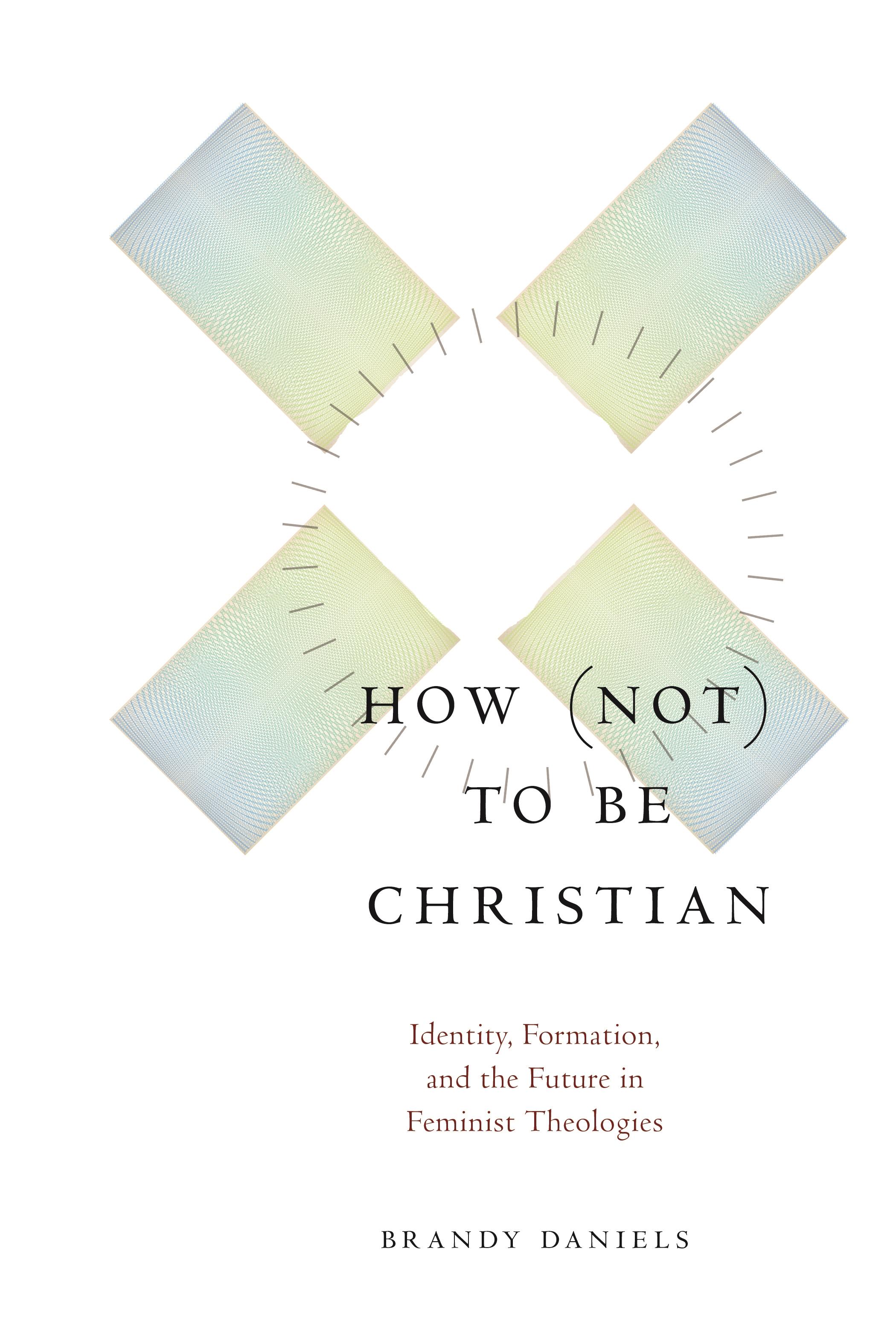
Draws on queer theories of temporality and subjectivity to challenge the telos of a singular Christian identity within feminist theological accounts of formation.
How Not to be Christian theologically and theoretically explores ethical and political questions around identity and intersectionality. How do we think about our identities theologically? How do we think about how the different aspects of our identities relate to each other theologically? And, how do we think about religious identity in relation to other social identities? In particular, this project explores formation—how we become selves with identities. It examines how theologians have turned to formation in the pursuit of a generous orthodoxy, exploring how a diverse range of theologians and ethicists shaped by postliberalism have looked to Christian identity as an ethical resource in the pursuit of inclusion and justice with regards to other social identities—what this project refers to as forms of intrasubjective difference. Focusing particularly on prominent feminist and queer theologies (looking to the work of Elizabeth Stuart, Sarah Coakley, and Serene Jones), this book critically examines how they presume and posit a singular, stable vision of religious identity as the telos to which gender and sexual identities must bend. It argues that the gender and sexual difference they aim to make space for is effaced by and subsumed into Christian identity. Engaging with poststructuralist thought (especially the work of Michel Foucault) and queer theories around performativity (Judith Butler) and temporality (Lee Edelman and José Esteban Muñoz), as well as theological reflections on method, anthropology, and sin, this book considers both the limits and costs of the teleological thrust underlying these accounts of formation. From there, it explores the possibilities of unformation, and (de)constructively considers what it might mean to pursue unformation in both theological method and ethics—in how we do theology and in how we live
Before Memmo my notes were scattered across PDFs. Now a workspace pulls everything into one place — I see exactly what's still left to study.
Memmo's summaries are gold before exams. I don't have to re-read 800 pages two weeks before — just the important parts.
The AI chat has saved me the night before an exam more than once. I just keep asking until I get it — no waiting on a study group to reply.
The quizzes hit exactly what I need to know. Memmo tracks what I get stuck on — so I only practice what's worth it.
Flashcards with spaced repetition are magic. Memmo knows when I'm about to forget something and brings it back.
The AI podcasts are my favorite. I listen on my way to school and get a recap without sitting at a computer.

Handbok i kvalitativa metoder
281 kr

Hållbar utveckling: en introduktion för ingenjörer och andra problemlösare
334 kr

Brymans Samhällsvetenskapliga metoder
390 kr

Projektledning
491 kr

Den orättvisa hälsan: om socioekonomiska skillnader i hälsa och livslängd
326 kr

Vetenskapsteori för nybörjare
196 kr

Organizational Leadership
429 kr

På väg mot läraryrket
172 kr

Det sociala livet i skolan: Socialpsykologiska perspektiv
253 kr

Betygsättningens didaktik
151 kr

Personality
402 kr

Studying Leadership
404 kr

Managing Innovation
477 kr

Introduktion till samhällsvetenskaplig metod
347 kr

The Psychology of Sex and Gender
698 kr

Evidens och kunskap för socialt arbete
207 kr

Introduction to Leadership
605 kr