
Before Memmo my notes were scattered across PDFs. Now a workspace pulls everything into one place — I see exactly what's still left to study.
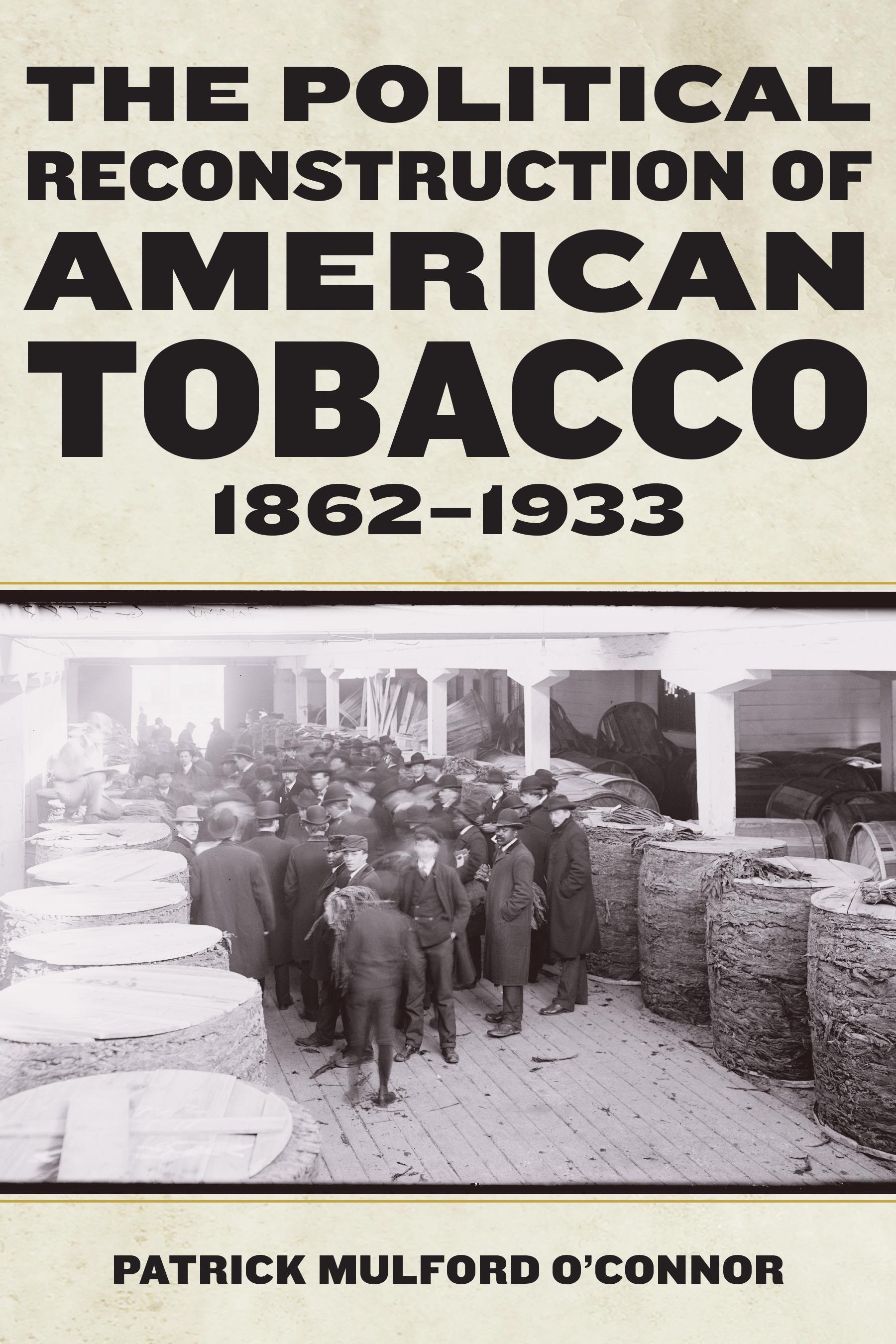
A deeply researched and clearly argued account of the mutual growth of the federal government and the modern tobacco
Nearly everything about the United States tobacco economy changed in the generation following the American Civil War. From labor to consumption, manufacturing to regulation, tobacco was utterly reconstructed, “comparatively a new industry,” as one contemporary wrote.
The Political Reconstruction of American Tobacco, 1862–1933 exposes the causes of these changes, and in the process, it reconsiders cornerstones of the American national narrative. Through a detailed rendering of tobacco’s late-nineteenth-century political economy, this book argues that the federal state’s and American capitalism’s development were mutually constitutive—and fundamentally political—processes. From the Civil War to the Progressive Era, diverse political movements across tobacco’s commodity chain drove state and market development, creating the immense power and stifling poverty that defined tobacco’s reconstruction. The Political Reconstruction of American Tobacco, 1862–1933 emphasizes the significance of the thousands of manufacturers whose interest groups shaped federal tax policy and, in turn, forged a powerful and effective internal revenue system; the increasingly influential fertilizer producers and warehouse operators who determined tobacco’s value; and the crop scientists who sought to promote and rationalize US tobacco production. As these actors reshaped tobacco’s commodity chain, they missed, and even dismissed, the interests of tobacco growers, especially newly emancipated African Americans and smallholding whites throughout the South.
The ruling logic of tobacco’s reconstructed political economy rationalized agrarian indebtedness, justified low prices, and intensified labor discipline on thousands of small farms. In emphasizing these exclusions, The Political Reconstruction of American Tobacco, 1862–1933 reveals how nineteenth-century state and economic development coincided with and even created rural poverty.
Before Memmo my notes were scattered across PDFs. Now a workspace pulls everything into one place — I see exactly what's still left to study.
Memmo's summaries are gold before exams. I don't have to re-read 800 pages two weeks before — just the important parts.
The AI chat has saved me the night before an exam more than once. I just keep asking until I get it — no waiting on a study group to reply.
The quizzes hit exactly what I need to know. Memmo tracks what I get stuck on — so I only practice what's worth it.
Flashcards with spaced repetition are magic. Memmo knows when I'm about to forget something and brings it back.
The AI podcasts are my favorite. I listen on my way to school and get a recap without sitting at a computer.

Handbok i kvalitativa metoder
281 kr

Hållbar utveckling: en introduktion för ingenjörer och andra problemlösare
334 kr

Brymans Samhällsvetenskapliga metoder
390 kr

Projektledning
491 kr

Den orättvisa hälsan: om socioekonomiska skillnader i hälsa och livslängd
326 kr

Vetenskapsteori för nybörjare
196 kr

Organizational Leadership
429 kr

På väg mot läraryrket
172 kr

Det sociala livet i skolan: Socialpsykologiska perspektiv
253 kr

Betygsättningens didaktik
151 kr

Personality
402 kr

Studying Leadership
404 kr

Managing Innovation
477 kr

Introduktion till samhällsvetenskaplig metod
347 kr

The Psychology of Sex and Gender
698 kr

Evidens och kunskap för socialt arbete
207 kr

Introduction to Leadership
605 kr