
Before Memmo my notes were scattered across PDFs. Now a workspace pulls everything into one place — I see exactly what's still left to study.
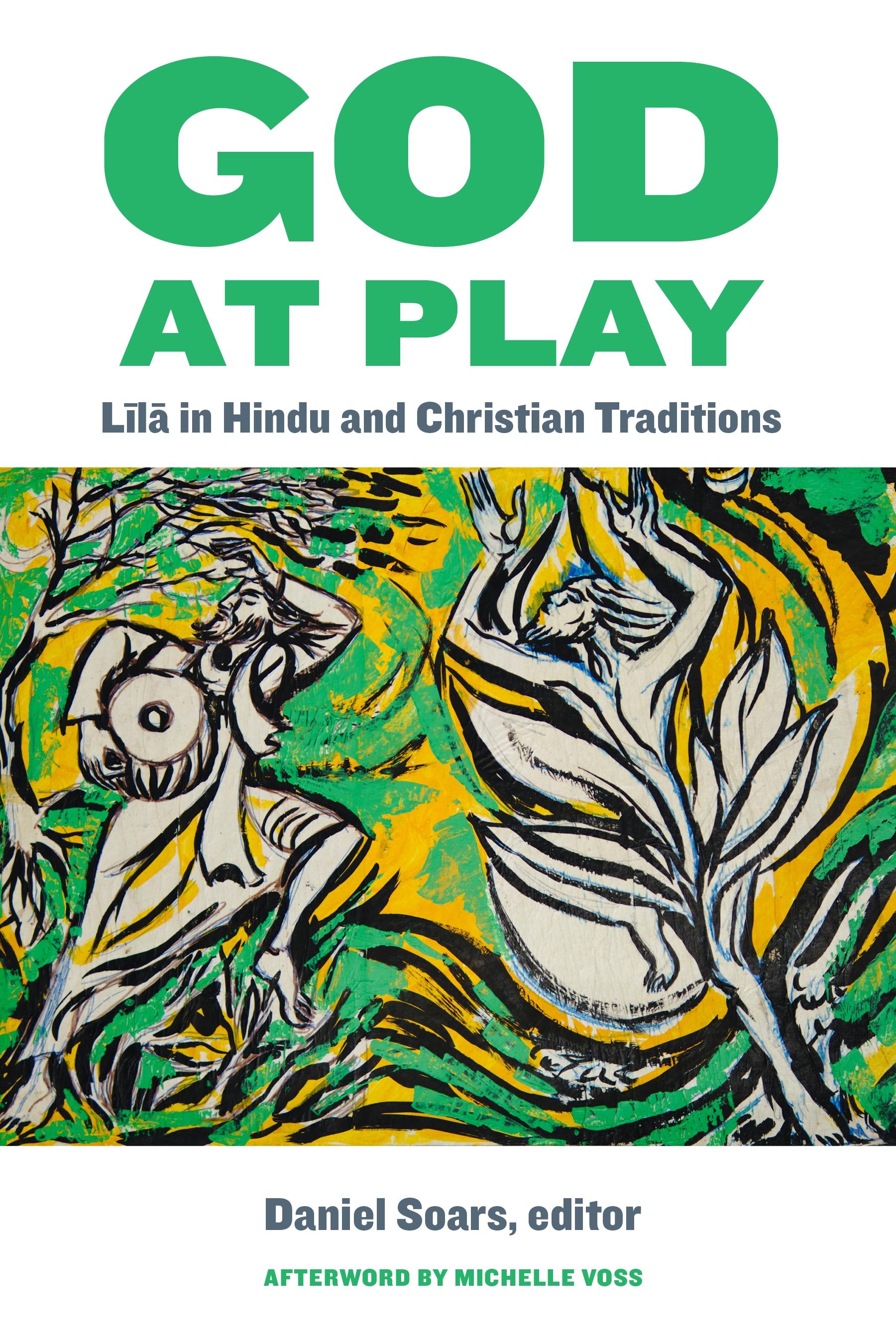
The first comparative treatment of the topic of līlā in Hindu and Christian traditions, this volume explores what it means to consider divine and human action under the categories of play, wit, drama, grace, and compassion
God at Play presents a theological exploration of the multifaceted motif of līlā across diverse Hindu and Christian landscapes and its wide-ranging connections to divine and human creativity. Given its ubiquity in Hindu theologies and life-forms, līlā offers a rich comparative framework for exploring certain ways of understanding divine and human action as expressed in Hindu and Christian sacred texts, philosophical theology, and ritual practices.
Though līlā is often interpreted simply as “play,” the essays in this volume reflect a far richer semantic and conceptual field, ranging from spontaneity and gratuitousness, through joy and humor, to mercy and compassion. By focusing on the different contexts in which līlā is found in Hindu traditions and resisting any uniform translation of the term, the contributors to this volume avoid the risk of using predominantly western or Christian categories to understand the Hindu other. The volume thus explores how līlā functions in a variety of distinctive philosophical, theological, and devotional ways across Hindu traditions, and listens for echoes in Christian understandings of the gratuitousness of the created order in relation to God.
God at Play is a genuine experiment in deep learning across traditions. Each chapter reflects on what is learned by taking līlā as the category of comparison and invites the reader to think about what these conversations add, confirm, or change in relation to earlier twentieth-century scholarship on play—not least, in terms of what difference it might make to understand human life as an imitation and a participation in the divine life of a playful deity.
Before Memmo my notes were scattered across PDFs. Now a workspace pulls everything into one place — I see exactly what's still left to study.
Memmo's summaries are gold before exams. I don't have to re-read 800 pages two weeks before — just the important parts.
The AI chat has saved me the night before an exam more than once. I just keep asking until I get it — no waiting on a study group to reply.
The quizzes hit exactly what I need to know. Memmo tracks what I get stuck on — so I only practice what's worth it.
Flashcards with spaced repetition are magic. Memmo knows when I'm about to forget something and brings it back.
The AI podcasts are my favorite. I listen on my way to school and get a recap without sitting at a computer.

Handbok i kvalitativa metoder
281 kr

Hållbar utveckling: en introduktion för ingenjörer och andra problemlösare
334 kr

Brymans Samhällsvetenskapliga metoder
390 kr

Projektledning
491 kr

Den orättvisa hälsan: om socioekonomiska skillnader i hälsa och livslängd
326 kr

Organizational Leadership
429 kr

Vetenskapsteori för nybörjare
196 kr

På väg mot läraryrket
172 kr

Det sociala livet i skolan: Socialpsykologiska perspektiv
253 kr

Betygsättningens didaktik
151 kr

Personality
402 kr

Studying Leadership
404 kr

Managing Innovation
477 kr

Introduktion till samhällsvetenskaplig metod
347 kr

The Psychology of Sex and Gender
698 kr

Evidens och kunskap för socialt arbete
207 kr

Introduction to Leadership
605 kr