
Before Memmo my notes were scattered across PDFs. Now a workspace pulls everything into one place — I see exactly what's still left to study.
Winner, Carolina's Outstanding Contribution to Middle East and Islamic Studies Book Award
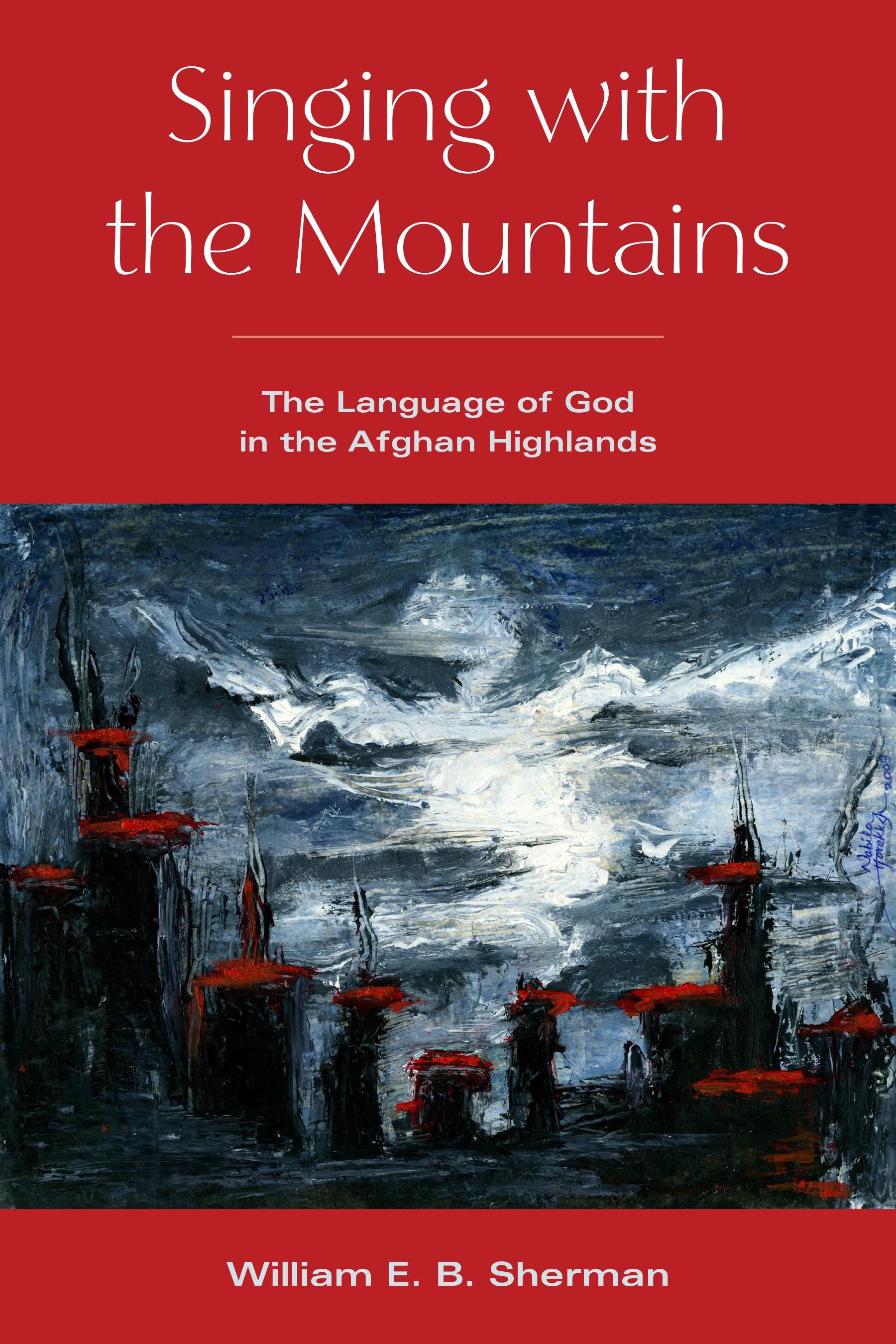
An illuminating story of a Sufi community that sought the revelation of God
In the Afghan highlands of the sixteenth century, the messianic community known as the Roshaniyya not only desired to find God’s word and to abide by it but also attempted to practice God’s word and to develop techniques of language intended to render their own tongues as the organs of continuous revelation. As their critics would contend, however, the Roshaniyya attempted to make language do something that language should not do—infuse the semiotic with the divine. Their story thus ends in a tower of skulls, the proliferation of heresiographies that detailed the sins of the Roshaniyya, and new formations of “Afghan” identity.
In Singing with the Mountains, William E. B. Sherman finds something extraordinary about the Roshaniyya, not least because the first known literary use of vernacular Pashto occurs in an eclectic, Roshani imitation of the Qur’an. The story of the Roshaniyya exemplifies a religious culture of linguistic experimentation. In the example of the Roshaniyya, we discover a set of questions and anxieties about the capacities of language that pervaded Sufi orders, imperial courts, groups of wandering ascetics, and scholastic networks throughout Central and South Asia.
In telling this tale, Sherman asks the following questions: How can we make language shimmer with divine truth? How can letters grant sovereign power and form new “ethnic” identities and ways of belonging? How can rhyme bend our conceptions of time so that the prophetic past comes to inhabit the now of our collective moment? By analyzing the ways in which the Roshaniyya answered these types of questions—and the ways in which their answers were eventually rejected as heresies—this book offers new insight into the imaginations of religious actors in the late medieval and early modern Persianate worlds.
Before Memmo my notes were scattered across PDFs. Now a workspace pulls everything into one place — I see exactly what's still left to study.
Memmo's summaries are gold before exams. I don't have to re-read 800 pages two weeks before — just the important parts.
The AI chat has saved me the night before an exam more than once. I just keep asking until I get it — no waiting on a study group to reply.
The quizzes hit exactly what I need to know. Memmo tracks what I get stuck on — so I only practice what's worth it.
Flashcards with spaced repetition are magic. Memmo knows when I'm about to forget something and brings it back.
The AI podcasts are my favorite. I listen on my way to school and get a recap without sitting at a computer.

Handbok i kvalitativa metoder
281 kr

Hållbar utveckling: en introduktion för ingenjörer och andra problemlösare
334 kr

Brymans Samhällsvetenskapliga metoder
390 kr

Projektledning
491 kr

Den orättvisa hälsan: om socioekonomiska skillnader i hälsa och livslängd
326 kr

Vetenskapsteori för nybörjare
196 kr

Organizational Leadership
429 kr

På väg mot läraryrket
172 kr

Det sociala livet i skolan: Socialpsykologiska perspektiv
253 kr

Betygsättningens didaktik
151 kr

Personality
402 kr

Studying Leadership
404 kr

Managing Innovation
477 kr

Introduktion till samhällsvetenskaplig metod
347 kr

The Psychology of Sex and Gender
698 kr

Evidens och kunskap för socialt arbete
207 kr

Introduction to Leadership
605 kr