
Before Memmo my notes were scattered across PDFs. Now a workspace pulls everything into one place — I see exactly what's still left to study.
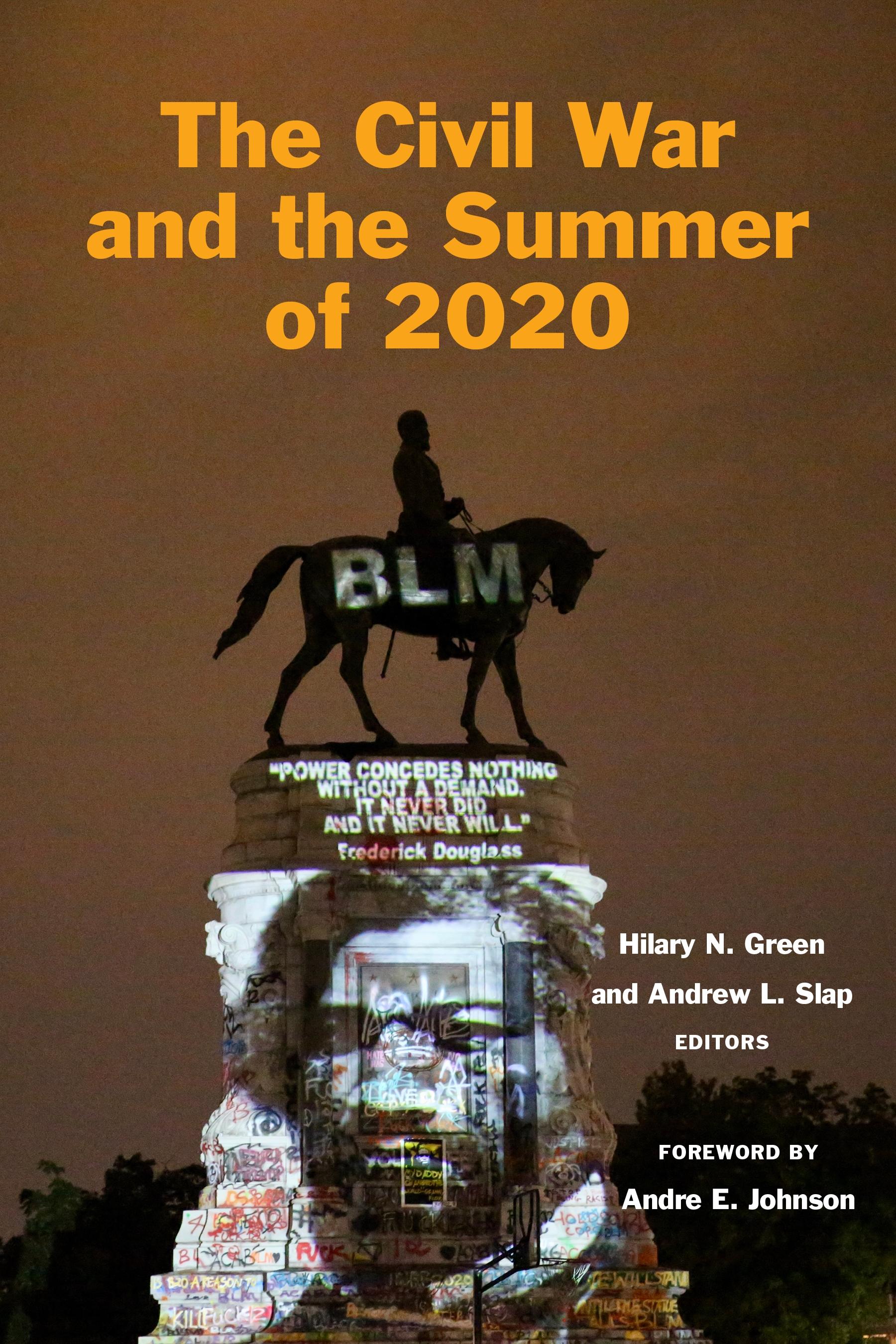
Investigates how Americans have remembered violence and resistance since the Civil War, including Confederate monuments, historical markers, college classrooms, and history books.
George Floyd’s murder in the summer of 2020 sparked a national reckoning for the United States that had been 400 years in the making. Millions of Americans took to the streets to protest both the murder and the centuries of systemic racism that already existed among European colonists but transformed with the arrival of the first enslaved African Americans in 1619. The violence needed to enforce that systemic racism for all those years, from the slave driver’s whip to state-sponsored police brutality, attracted the immediate attention of the protesters. The resistance of the protesters echoed generations of African Americans’ resisting the violence and oppression of white supremacy. Their opposition to violence soon spread to other aspects of systemic racism, including a cultural hegemony built on and reinforcing white supremacy. At the heart of this white supremacist culture is the memory of the Civil War era, when in 1861 8 million white Americans revolted against their country to try to safeguard the enslavement of 4 million African Americans.
The volume has three interconnected sections that build on one another. The first section, “Violence,” explores systemic racism in the Civil War era and now with essays on slavery, policing, and slave patrols. The second section, titled “Resistance,” shows how African Americans resisted violence for the past two centuries, with essays discussing matters including self-emancipation and African American soldiers. The final section, “Memory,” investigates how Americans have remembered this violence and resistance since the Civil War, including Confederate monuments and historical markers.
This volume is intended for nonhistorians interested in showing the intertwined and longstanding connections between systemic racism, violence, resistance, and the memory of the Civil War era in the United States that finally exploded in the summer of 2020.
Before Memmo my notes were scattered across PDFs. Now a workspace pulls everything into one place — I see exactly what's still left to study.
Memmo's summaries are gold before exams. I don't have to re-read 800 pages two weeks before — just the important parts.
The AI chat has saved me the night before an exam more than once. I just keep asking until I get it — no waiting on a study group to reply.
The quizzes hit exactly what I need to know. Memmo tracks what I get stuck on — so I only practice what's worth it.
Flashcards with spaced repetition are magic. Memmo knows when I'm about to forget something and brings it back.
The AI podcasts are my favorite. I listen on my way to school and get a recap without sitting at a computer.

Handbok i kvalitativa metoder
281 kr

Hållbar utveckling: en introduktion för ingenjörer och andra problemlösare
334 kr

Brymans Samhällsvetenskapliga metoder
390 kr

Projektledning
491 kr

Den orättvisa hälsan: om socioekonomiska skillnader i hälsa och livslängd
326 kr

Vetenskapsteori för nybörjare
196 kr

Organizational Leadership
429 kr

På väg mot läraryrket
172 kr

Det sociala livet i skolan: Socialpsykologiska perspektiv
253 kr

Betygsättningens didaktik
151 kr

Personality
402 kr

Studying Leadership
404 kr

Managing Innovation
477 kr

Introduktion till samhällsvetenskaplig metod
347 kr

The Psychology of Sex and Gender
698 kr

Evidens och kunskap för socialt arbete
207 kr

Introduction to Leadership
605 kr