
Before Memmo my notes were scattered across PDFs. Now a workspace pulls everything into one place — I see exactly what's still left to study.
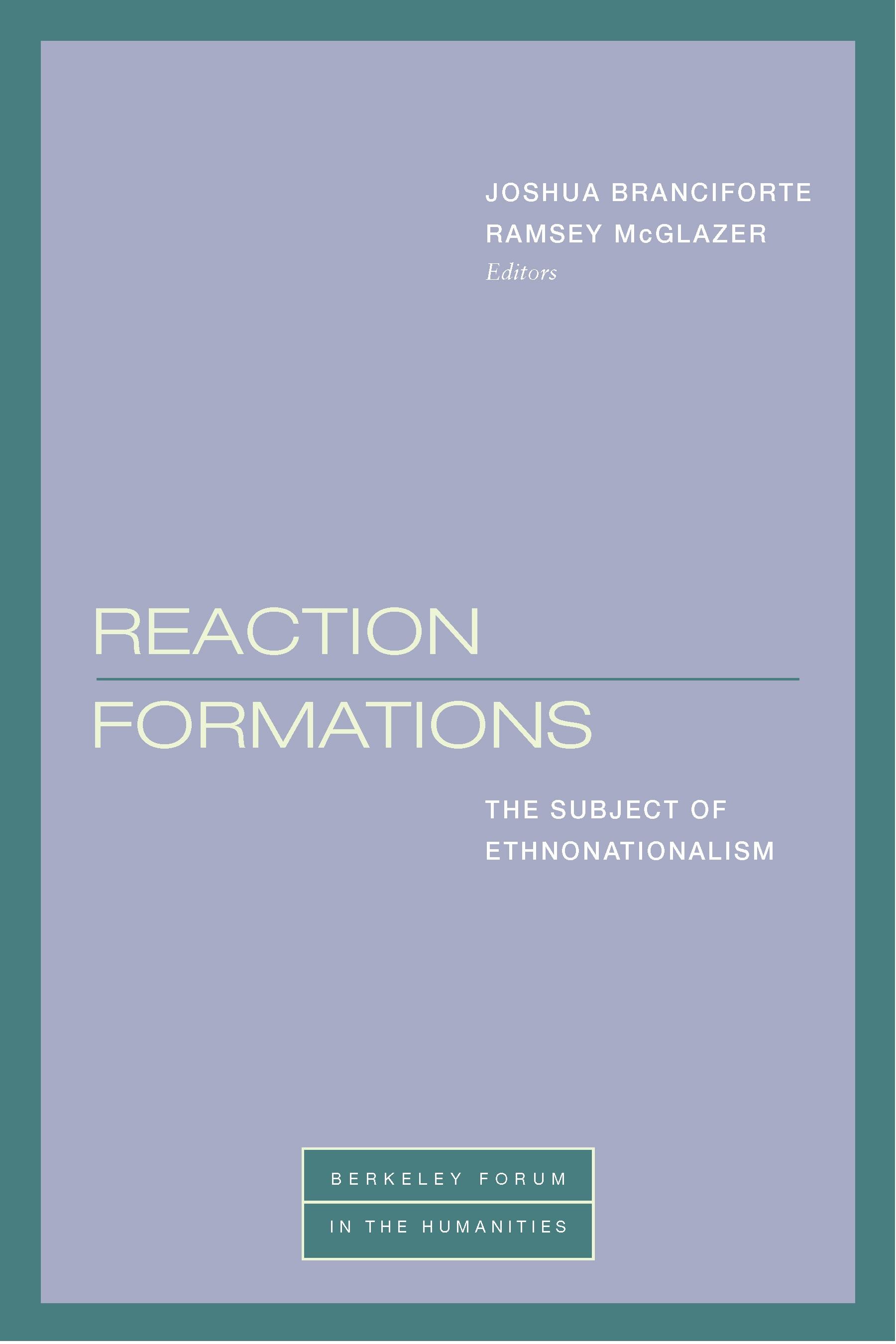
Today, an international new right has coalesced. Variously described as nativist, right-populist, alt-right, and neofascist, far-right movements in many countries have achieved electoral victories that not long ago seemed highly improbable. They have also developed a new cultural politics. Adapting tactics from the left, the new right has moved from decorum to transgression; from conservative propriety to the frank sexualization of political figures and positions; from appealing to the conscious normalcy of the “silent majority” to recasting itself as a protest movement of and for the aggrieved. These movements share a mandate for robust nationalism, yet they also cultivate a striking international solidarity. Who is the subject of this ethnonationalism?
Many new right movements have in fact intensified or laid bare long-standing tendencies, but this volume seeks to address aspects of their cultural politics that raise new and urgent questions. How should we assess the new right’s disconcerting appropriations of strategies of minoritarian resistance? How can we practice critique in the face of adversaries who claim to practice a critique of their own? How do apparently post-normative versions of nationalism give rise to heightened forms of militarism, incarceration, censorship, and inequality? How should we understand the temporality of ethnonationalism, which combines a romance with archaic tradition, an ethos of disruption driven by tech futurism frequently tinged with accelerationist pathos, and a kitschy nostalgia for a hazily defined recent past, when things were “greater” than they are now?
Surveying nationalisms from Argentina, Brazil, France, Germany, India, Israel-Palestine, the United Kingdom, and the United States, Reaction Formations gives a critical account of contemporary ethnonationalist cultural politics, while drawing out counterstrategies for anti-fascist resistance.
Contributors: Tyler Blakeney, Chiara Bottici, Joshua Branciforte, Gisela Catanzaro, Melinda Cooper, Julian Göpffarth, Ramsey McGlazer, Benjamin Noys, Bruno Perreau, Rahul Rao, Shaul Setter, and M. Ty
Before Memmo my notes were scattered across PDFs. Now a workspace pulls everything into one place — I see exactly what's still left to study.
Memmo's summaries are gold before exams. I don't have to re-read 800 pages two weeks before — just the important parts.
The AI chat has saved me the night before an exam more than once. I just keep asking until I get it — no waiting on a study group to reply.
The quizzes hit exactly what I need to know. Memmo tracks what I get stuck on — so I only practice what's worth it.
Flashcards with spaced repetition are magic. Memmo knows when I'm about to forget something and brings it back.
The AI podcasts are my favorite. I listen on my way to school and get a recap without sitting at a computer.

Handbok i kvalitativa metoder
281 kr

Hållbar utveckling: en introduktion för ingenjörer och andra problemlösare
334 kr

Brymans Samhällsvetenskapliga metoder
390 kr

Projektledning
491 kr

Den orättvisa hälsan: om socioekonomiska skillnader i hälsa och livslängd
326 kr

Organizational Leadership
429 kr

Vetenskapsteori för nybörjare
196 kr

På väg mot läraryrket
172 kr

Det sociala livet i skolan: Socialpsykologiska perspektiv
253 kr

Betygsättningens didaktik
151 kr

Personality
402 kr

Studying Leadership
404 kr

Managing Innovation
477 kr

Introduktion till samhällsvetenskaplig metod
347 kr

The Psychology of Sex and Gender
698 kr

Evidens och kunskap för socialt arbete
207 kr

Introduction to Leadership
605 kr