
Before Memmo my notes were scattered across PDFs. Now a workspace pulls everything into one place — I see exactly what's still left to study.
An argument that the major reason for White patriarchy’s endurance lies in the political regulation of fatherhood
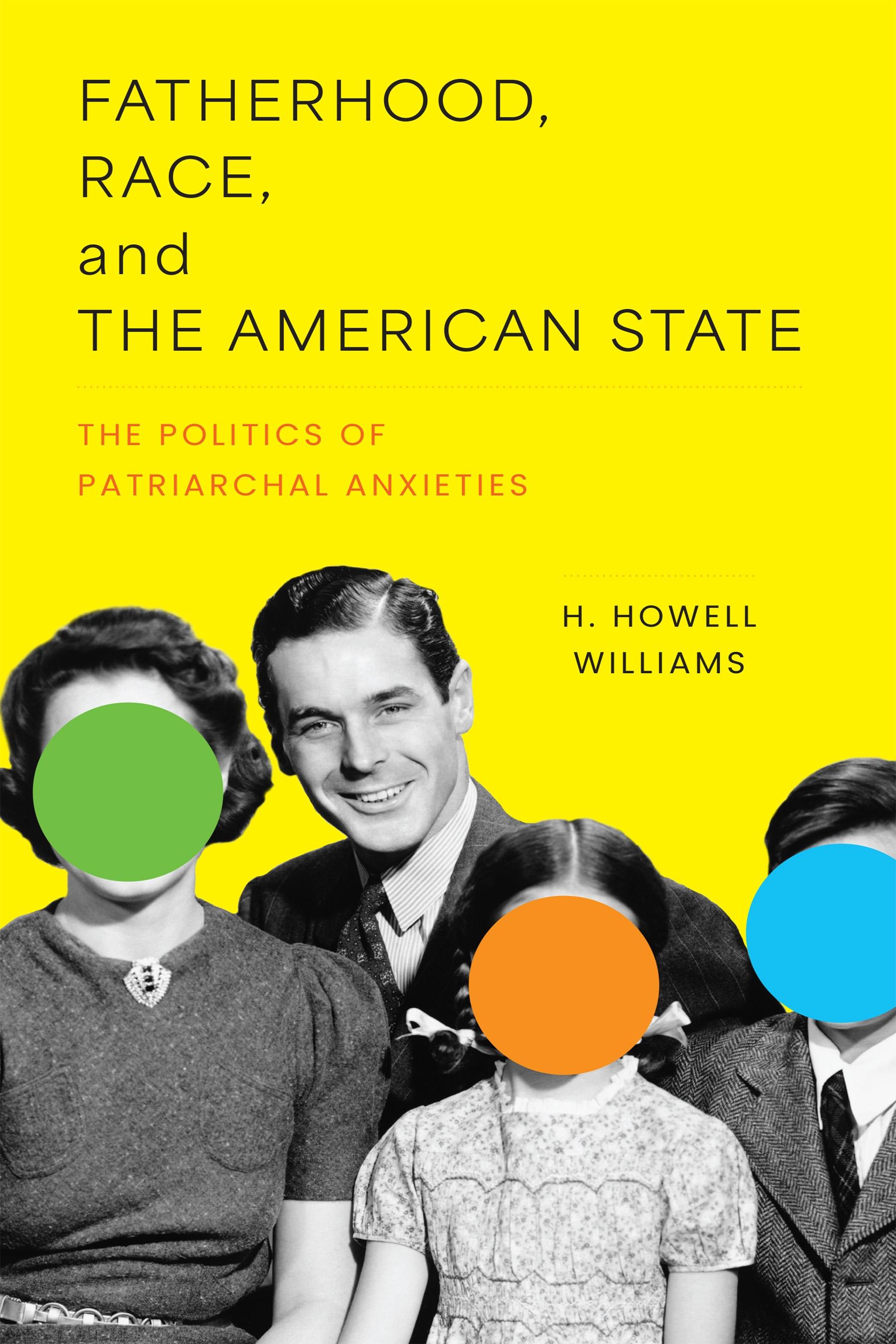
White men continue to wield disproportionate political power in the United States, even as women enter politics in higher numbers and as the nation becomes increasingly racially diverse. White patriarchy remains an enduring model of political authority, one that its adherents defend fiercely in court cases and policy battles. H. Howell Williams argues that a major reason for White patriarchy’s endurance lies in the political regulation of fatherhood.
At key moments in American political history, and in response to efforts to expand the political community to include women and people of color, political actors fretted over how the government treated fathers, worrying that some non-White fathers were not performing their patriarchal duties sufficiently while the government was unfairly harsh on other fathers, usually White fathers of reasonable means. Their concerns, or “patriarchal anxieties,” inspired these actors and sympathetic constituencies to advocate for state intervention via one of three policy solutions: to uplift and help struggling fathers, to punish deficient fathers, or to leave fathers alone to govern their families. Through an exploration of these policy approaches, Williams demonstrates how patriarchal anxieties shaped the state’s response to perceived crises in fatherhood. While these policy approaches were ostensibly race- and gender-neutral, Williams reveals that political advocates’ efforts to regulate fatherhood were really attempts to bolster White American patriarchy and protect its dominance.
By examining men’s policy goals, White women’s support for White patriarchal policies, and political actors’ strategic investment in White patriarchy, Fatherhood, Race, and the American State argues for a new understanding of the family as a political institution, one that centers the significant role the state plays in defending, shaping, and entrenching a narrow vision of the American family.
Before Memmo my notes were scattered across PDFs. Now a workspace pulls everything into one place — I see exactly what's still left to study.
Memmo's summaries are gold before exams. I don't have to re-read 800 pages two weeks before — just the important parts.
The AI chat has saved me the night before an exam more than once. I just keep asking until I get it — no waiting on a study group to reply.
The quizzes hit exactly what I need to know. Memmo tracks what I get stuck on — so I only practice what's worth it.
Flashcards with spaced repetition are magic. Memmo knows when I'm about to forget something and brings it back.
The AI podcasts are my favorite. I listen on my way to school and get a recap without sitting at a computer.

Handbok i kvalitativa metoder
281 kr

Hållbar utveckling: en introduktion för ingenjörer och andra problemlösare
334 kr

Brymans Samhällsvetenskapliga metoder
390 kr

Projektledning
491 kr

Den orättvisa hälsan: om socioekonomiska skillnader i hälsa och livslängd
326 kr

Vetenskapsteori för nybörjare
196 kr

Organizational Leadership
429 kr

På väg mot läraryrket
172 kr

Det sociala livet i skolan: Socialpsykologiska perspektiv
253 kr

Betygsättningens didaktik
151 kr

Personality
402 kr

Studying Leadership
404 kr

Managing Innovation
477 kr

Introduktion till samhällsvetenskaplig metod
347 kr

The Psychology of Sex and Gender
698 kr

Evidens och kunskap för socialt arbete
207 kr

Introduction to Leadership
605 kr