
Before Memmo my notes were scattered across PDFs. Now a workspace pulls everything into one place — I see exactly what's still left to study.
A demonstration of how the negatives of power-sharing accords all-too-often outweigh the positives
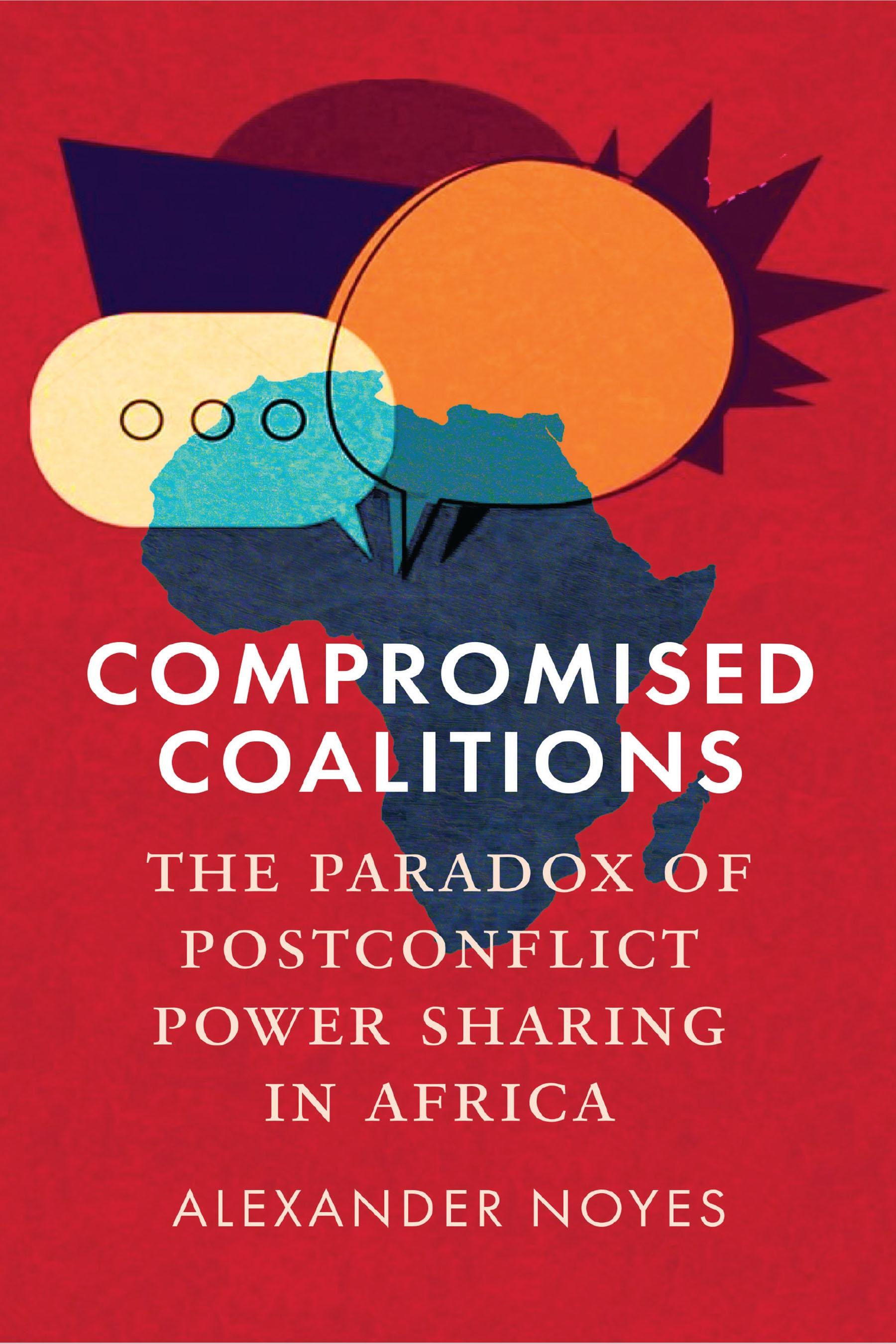
Power-sharing pacts are a key tool for resolving wide-ranging violent conflicts, from Afghanistan to Zimbabwe, and with a particular concentration in sub-Saharan Africa. Historically tried in countries experiencing civil war, power sharing has been increasingly deployed to end less bloody and shorter conflicts like election violence. But does this tool actually work? Does postconflict power sharing mitigate conflict and deliver democratic reforms? Or are these elite pacts a form of coup that constrain democratic competition, allow losing incumbents to stay in power, and incentivize violence?
Both, it turns out. Despite their extensive use, the dynamics and outcomes of power-sharing accords after low-level conflicts have yet to be comprehensively examined. Here, in the first systematic investigation of postelection power sharing across Africa, political scientist Alexander Noyes argues that power sharing after election violence creates compromised coalitions. Noyes draws on a decade of research and a wealth of new primary data collected from more than 120 interviews with key decision-makers in three cases of externally brokered postelection pacts in Kenya, Togo, and Zimbabwe over the 2006–2013 period. He examines a topical policy issue using scholarly research methods and tools to bridge the gap between theory and practice and to provide a guide to better understand a frequently used but often misunderstood conflict resolution tool.
Contrary to conventional academic wisdom, Compromised Coalitions ultimately shows that postconflict pacts—while often riddled with challenges and difficult compromises—can deliver some lasting democratic reforms, under certain conditions. Yet the book also unequivocally argues that these unity governments are inherently compromised at their creation. Because their negatives outweigh their positives and the conditions for success are often all too rare in the real world, policymakers must rethink their current default use of the model and change their practices to deploy it much more cautiously and sparingly.
Before Memmo my notes were scattered across PDFs. Now a workspace pulls everything into one place — I see exactly what's still left to study.
Memmo's summaries are gold before exams. I don't have to re-read 800 pages two weeks before — just the important parts.
The AI chat has saved me the night before an exam more than once. I just keep asking until I get it — no waiting on a study group to reply.
The quizzes hit exactly what I need to know. Memmo tracks what I get stuck on — so I only practice what's worth it.
Flashcards with spaced repetition are magic. Memmo knows when I'm about to forget something and brings it back.
The AI podcasts are my favorite. I listen on my way to school and get a recap without sitting at a computer.

Handbok i kvalitativa metoder
281 kr

Hållbar utveckling: en introduktion för ingenjörer och andra problemlösare
334 kr

Brymans Samhällsvetenskapliga metoder
390 kr

Projektledning
491 kr

Den orättvisa hälsan: om socioekonomiska skillnader i hälsa och livslängd
326 kr

Organizational Leadership
429 kr

Vetenskapsteori för nybörjare
196 kr

På väg mot läraryrket
172 kr

Det sociala livet i skolan: Socialpsykologiska perspektiv
253 kr

Betygsättningens didaktik
151 kr

Personality
402 kr

Studying Leadership
404 kr

Managing Innovation
477 kr

Introduktion till samhällsvetenskaplig metod
347 kr

The Psychology of Sex and Gender
698 kr

Evidens och kunskap för socialt arbete
207 kr

Introduction to Leadership
605 kr