
Before Memmo my notes were scattered across PDFs. Now a workspace pulls everything into one place — I see exactly what's still left to study.
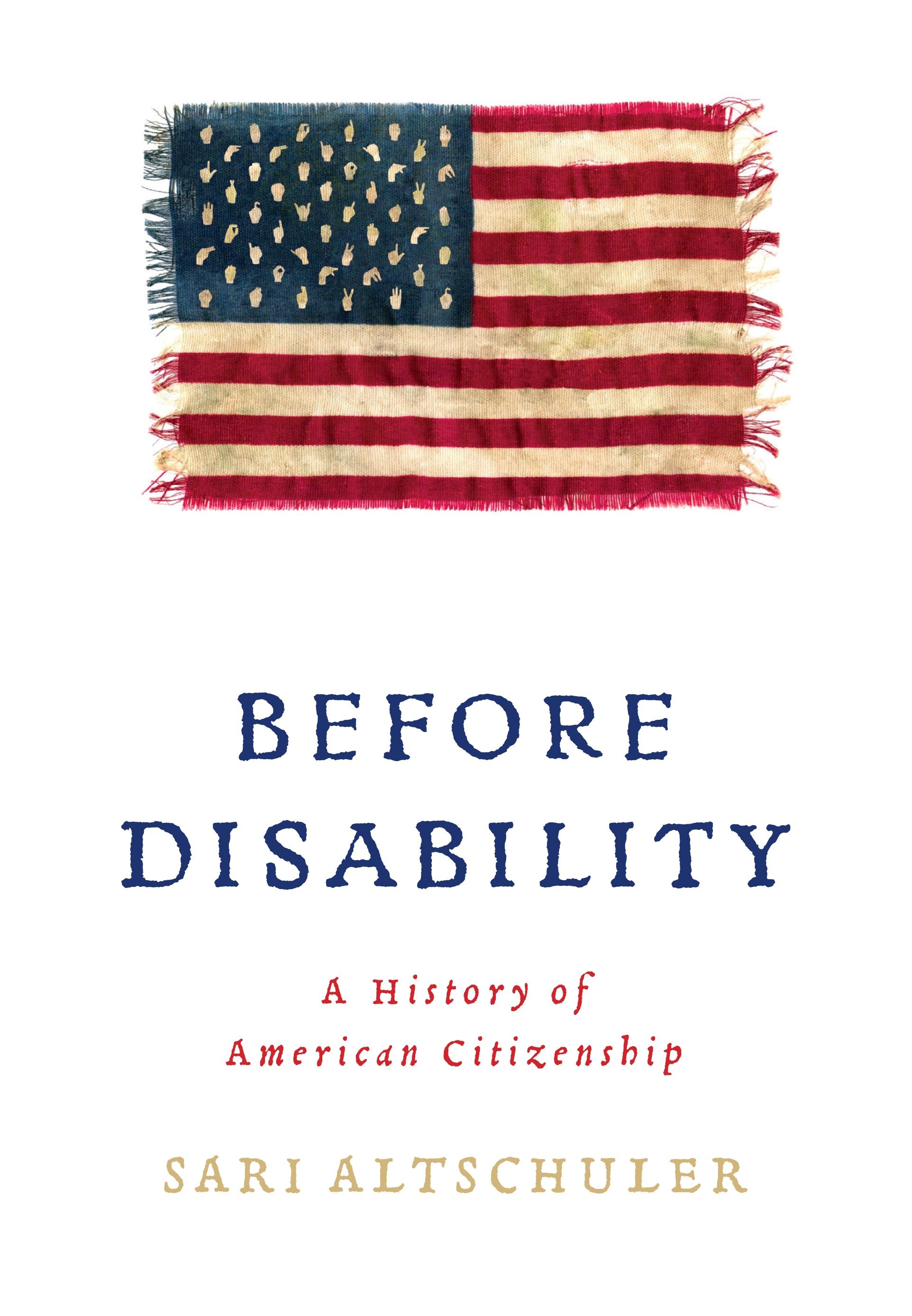
A literary, legal, and cultural history of disability, race, and citizenship between the Revolution and the Civil War
The history of disability rights is often told as a recent one, but it is not. In the wake of the American Revolution, many of the differences we now call disabilities could be accommodated into citizenship—and for some even exemplified its promises. By the antebellum period, however, disability was becoming a powerful, racialized tool of civic exclusion and, by the century’s end, a target for eugenic elimination. In Before Disability, Sari Altschuler tells the story of how this dramatic transformation occurred.
Before Disability is a literary, legal, and cultural history of the relationship between disability, race, and citizenship. It shows how disability helped to shape US citizenship and, in turn, how the formation of US citizenship shaped disability. There were two key drivers of the transformation from accommodation to exclusion and eugenics: the difficulty aligning the reality with the rhetoric of civic inclusion and the co-opting of mental and physical difference as evidence in debates about Black citizenship. The stigmatizing ways race came together with mental and physical difference to deny Americans rights were, however, not inevitable.
Before citizenship was federally defined in the late 1860s, Americans were still working out what it meant. They used the narrative forms available to them—from melodrama and the gothic to the slave narrative and the criminal confession—to do this work. While possibilities narrowed by the antebellum era, Americans continued to imagine, articulate, and enact broader definitions. As we seek to imagine the relationship between disability and citizenship more equitably and expansively for ourselves, we should begin by remembering that many disabled and nondisabled Americans before us did, too.
Before Memmo my notes were scattered across PDFs. Now a workspace pulls everything into one place — I see exactly what's still left to study.
Memmo's summaries are gold before exams. I don't have to re-read 800 pages two weeks before — just the important parts.
The AI chat has saved me the night before an exam more than once. I just keep asking until I get it — no waiting on a study group to reply.
The quizzes hit exactly what I need to know. Memmo tracks what I get stuck on — so I only practice what's worth it.
Flashcards with spaced repetition are magic. Memmo knows when I'm about to forget something and brings it back.
The AI podcasts are my favorite. I listen on my way to school and get a recap without sitting at a computer.

Handbok i kvalitativa metoder
281 kr

Hållbar utveckling: en introduktion för ingenjörer och andra problemlösare
334 kr

Brymans Samhällsvetenskapliga metoder
390 kr

Projektledning
491 kr

Den orättvisa hälsan: om socioekonomiska skillnader i hälsa och livslängd
326 kr

Organizational Leadership
429 kr

Vetenskapsteori för nybörjare
196 kr

På väg mot läraryrket
172 kr

Det sociala livet i skolan: Socialpsykologiska perspektiv
253 kr

Betygsättningens didaktik
151 kr

Personality
402 kr

Studying Leadership
404 kr

Managing Innovation
477 kr

Introduktion till samhällsvetenskaplig metod
347 kr

The Psychology of Sex and Gender
698 kr

Evidens och kunskap för socialt arbete
207 kr

Introduction to Leadership
605 kr