
Before Memmo my notes were scattered across PDFs. Now a workspace pulls everything into one place — I see exactly what's still left to study.
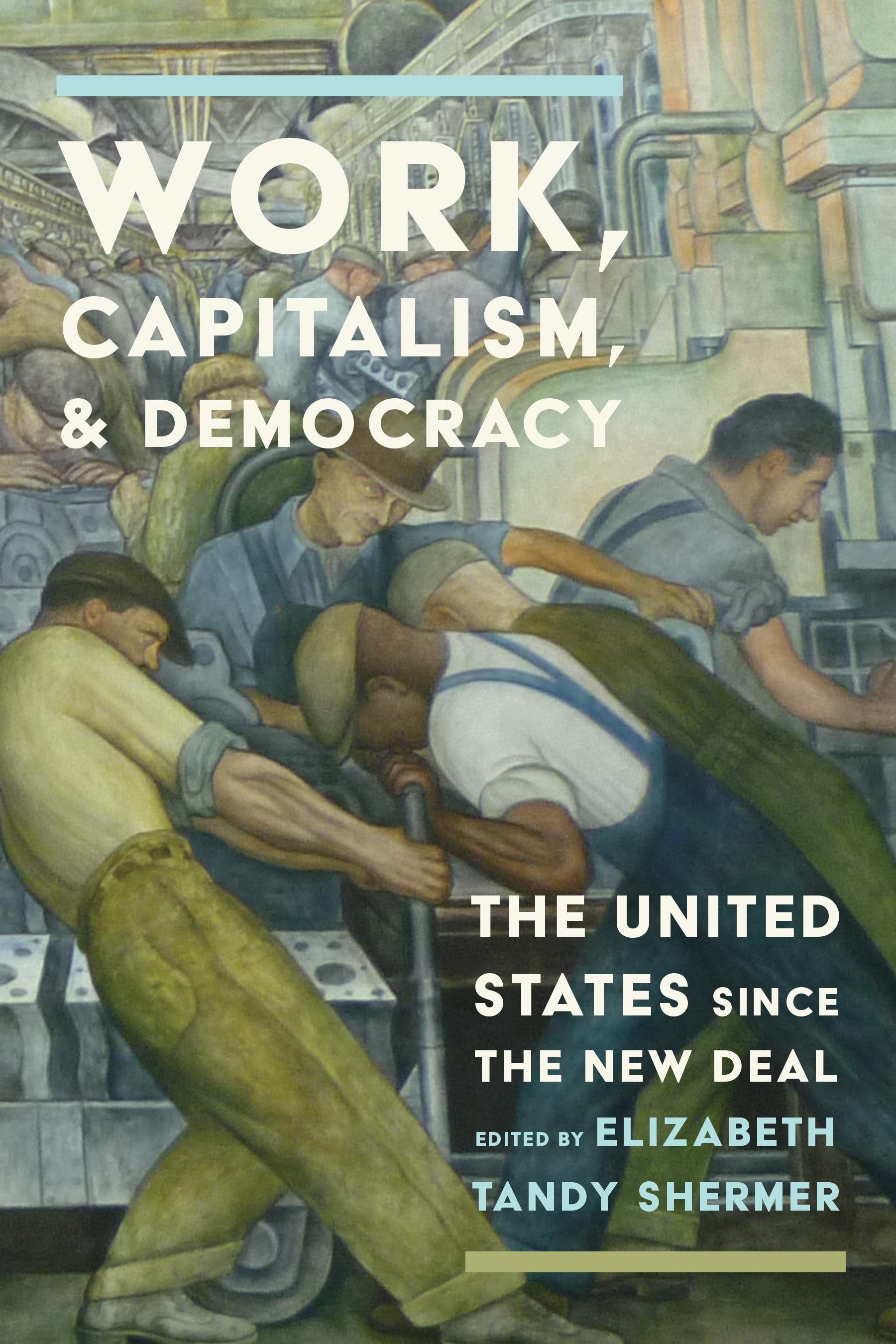
A collection of essays exploring the meaning of work, capitalism, and democracy in the past to shed light on the same conflicts today
Changes to the meaning and nature of work, capitalism, and democracy during and after the New Deal have been contested from the mid-twentieth century to the present day. Rather than rehashing the familiar, tidy story of a Democratic coalition coming together in the 1930s only to be felled by conservative movements in the 1970s, this volume instead emphasizes that the prosperity many white American families enjoyed did not stop the fights over whose work would be recognized, how corporations would be regulated, and whose democratic rights would be protected, both on and off the job. Cultural representations of the ideal worker, legal battles over workplace rights, political standoffs over inflation policies, dire warnings against too much regulation, and abuses of the tax code indicate there never really was a consensus on how democratic the country, its economic system, and its workplaces would be.
As the collected essays suggest, backlash does not seem the right word to describe the challenges left-leaning politicians, environmental activists, and immigrants faced in the late twentieth century, when managing supply chains became far more lucrative than manufacturing the goods being shipped around the world. Using the broad categories of work, capitalism, and democracy to reinterrogate the past, contributors contend, is the only way to understand today’s conflicts over the future of how Americans will work, how capitalism will function, and how the country will be governed.
Contributors: Carl J. Bon Tempo, Daniel Geary, Shane Hamilton, Meg Jacobs, Nelson Lichtenstein, Reuel Schiller, Elizabeth Tandy Shermer, Lauren Rebecca Sklaroff, Samir Sonti, Joseph J. Thorndike, Jean-Christian Vinel, Leandra Zarnow.
Before Memmo my notes were scattered across PDFs. Now a workspace pulls everything into one place — I see exactly what's still left to study.
Memmo's summaries are gold before exams. I don't have to re-read 800 pages two weeks before — just the important parts.
The AI chat has saved me the night before an exam more than once. I just keep asking until I get it — no waiting on a study group to reply.
The quizzes hit exactly what I need to know. Memmo tracks what I get stuck on — so I only practice what's worth it.
Flashcards with spaced repetition are magic. Memmo knows when I'm about to forget something and brings it back.
The AI podcasts are my favorite. I listen on my way to school and get a recap without sitting at a computer.

Handbok i kvalitativa metoder
281 kr

Hållbar utveckling: en introduktion för ingenjörer och andra problemlösare
334 kr

Brymans Samhällsvetenskapliga metoder
390 kr

Projektledning
491 kr

Den orättvisa hälsan: om socioekonomiska skillnader i hälsa och livslängd
326 kr

Vetenskapsteori för nybörjare
196 kr

Organizational Leadership
429 kr

På väg mot läraryrket
172 kr

Det sociala livet i skolan: Socialpsykologiska perspektiv
253 kr

Betygsättningens didaktik
151 kr

Personality
402 kr

Studying Leadership
404 kr

Managing Innovation
477 kr

Introduktion till samhällsvetenskaplig metod
347 kr

The Psychology of Sex and Gender
698 kr

Evidens och kunskap för socialt arbete
207 kr

Introduction to Leadership
605 kr