
Before Memmo my notes were scattered across PDFs. Now a workspace pulls everything into one place — I see exactly what's still left to study.
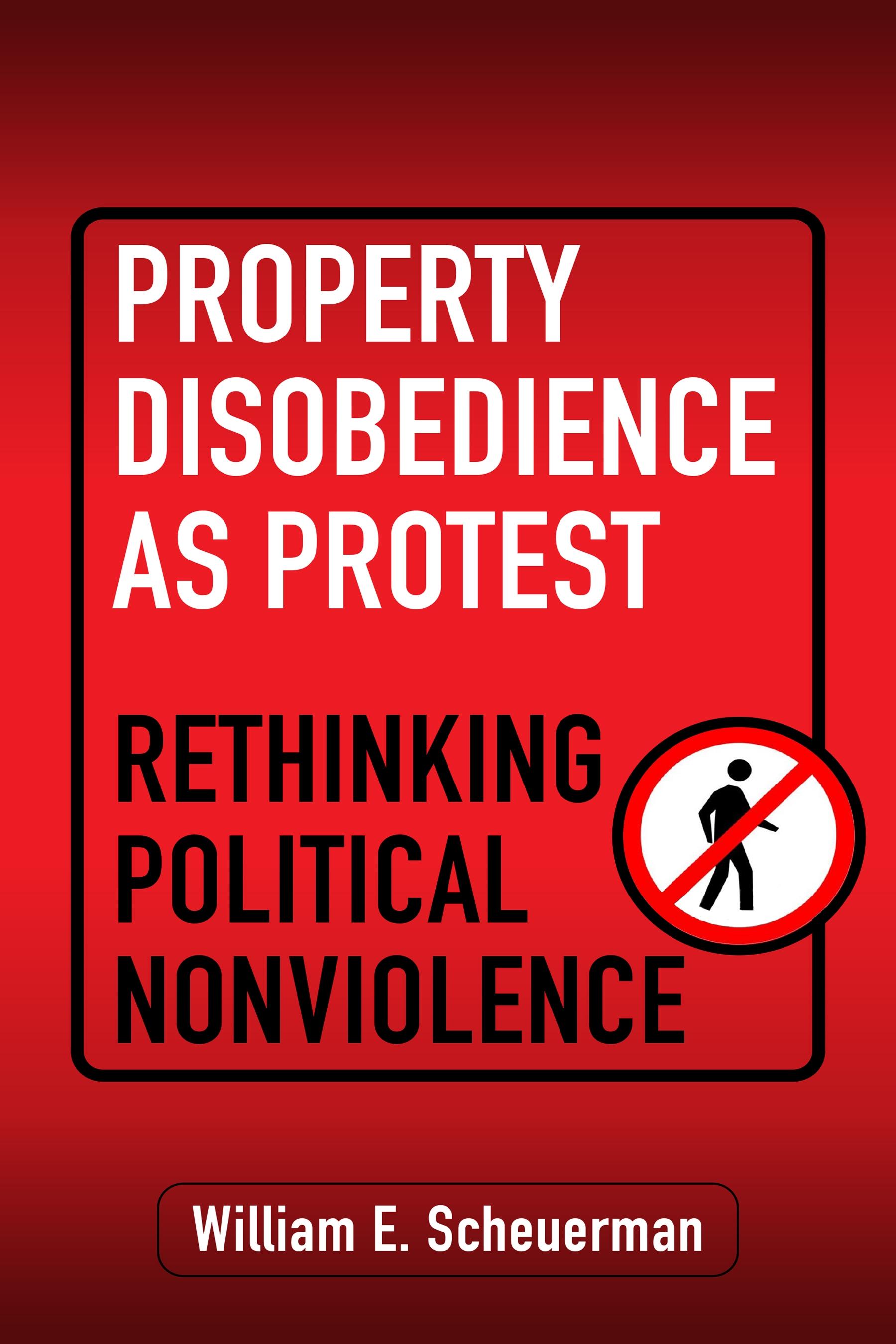
William E. Scheuerman’s book explores when, if ever, politically motivated property harms are justifiable
In 2020, Black Lives Matter activists toppled Confederate monuments and occasionally vandalized police vehicles and stations. Climate activists have damaged natural gas pipelines and famous artworks. In Hong Kong, pro-democracy students targeted businesses sympathetic to the mainland government. On January 6, 2021, far-right groups at the US Capitol mistreated public and private property as part of their efforts to disrupt finalizing election results. Property damage constitutes an increasingly commonplace feature of global political protest. How then to interpret and evaluate its proliferation? The media regularly describes such acts as “violent,” as do most scholars. However, William E. Scheuerman’s book pushes back against conflating politically motivated violations of property rights with violence. Political violence has no place in democratic politics. Yet indiscriminately grouping property damage together with acts destructive of and harmful to persons is conceptually confusing and politically misleading. After all, Americans celebrate the Boston Tea Party. So why do most of us now categorically condemn many seemingly parallel acts?
Scheuerman tackles challenging and politically timely questions. When, if ever, are politically motivated property harms justifiable? What standards should we expect of those pursuing them to meet, under democratic conditions? How are those standards undermined by the rise of authoritarian populism around the world? Focusing on identifiably nonviolent varieties of what Scheuerman calls property disobedience, his book explores a variety of real-life examples, both past and present, to understand how and why such acts may be politically justifiable—or should instead be viewed as beyond the pale.
Before Memmo my notes were scattered across PDFs. Now a workspace pulls everything into one place — I see exactly what's still left to study.
Memmo's summaries are gold before exams. I don't have to re-read 800 pages two weeks before — just the important parts.
The AI chat has saved me the night before an exam more than once. I just keep asking until I get it — no waiting on a study group to reply.
The quizzes hit exactly what I need to know. Memmo tracks what I get stuck on — so I only practice what's worth it.
Flashcards with spaced repetition are magic. Memmo knows when I'm about to forget something and brings it back.
The AI podcasts are my favorite. I listen on my way to school and get a recap without sitting at a computer.

Handbok i kvalitativa metoder
281 kr

Hållbar utveckling: en introduktion för ingenjörer och andra problemlösare
334 kr

Brymans Samhällsvetenskapliga metoder
390 kr

Projektledning
491 kr

Den orättvisa hälsan: om socioekonomiska skillnader i hälsa och livslängd
326 kr

Vetenskapsteori för nybörjare
196 kr

Organizational Leadership
429 kr

På väg mot läraryrket
172 kr

Det sociala livet i skolan: Socialpsykologiska perspektiv
253 kr

Betygsättningens didaktik
151 kr

Personality
402 kr

Studying Leadership
404 kr

Managing Innovation
477 kr

Introduktion till samhällsvetenskaplig metod
347 kr

The Psychology of Sex and Gender
698 kr

Evidens och kunskap för socialt arbete
207 kr

Introduction to Leadership
605 kr