
Before Memmo my notes were scattered across PDFs. Now a workspace pulls everything into one place — I see exactly what's still left to study.
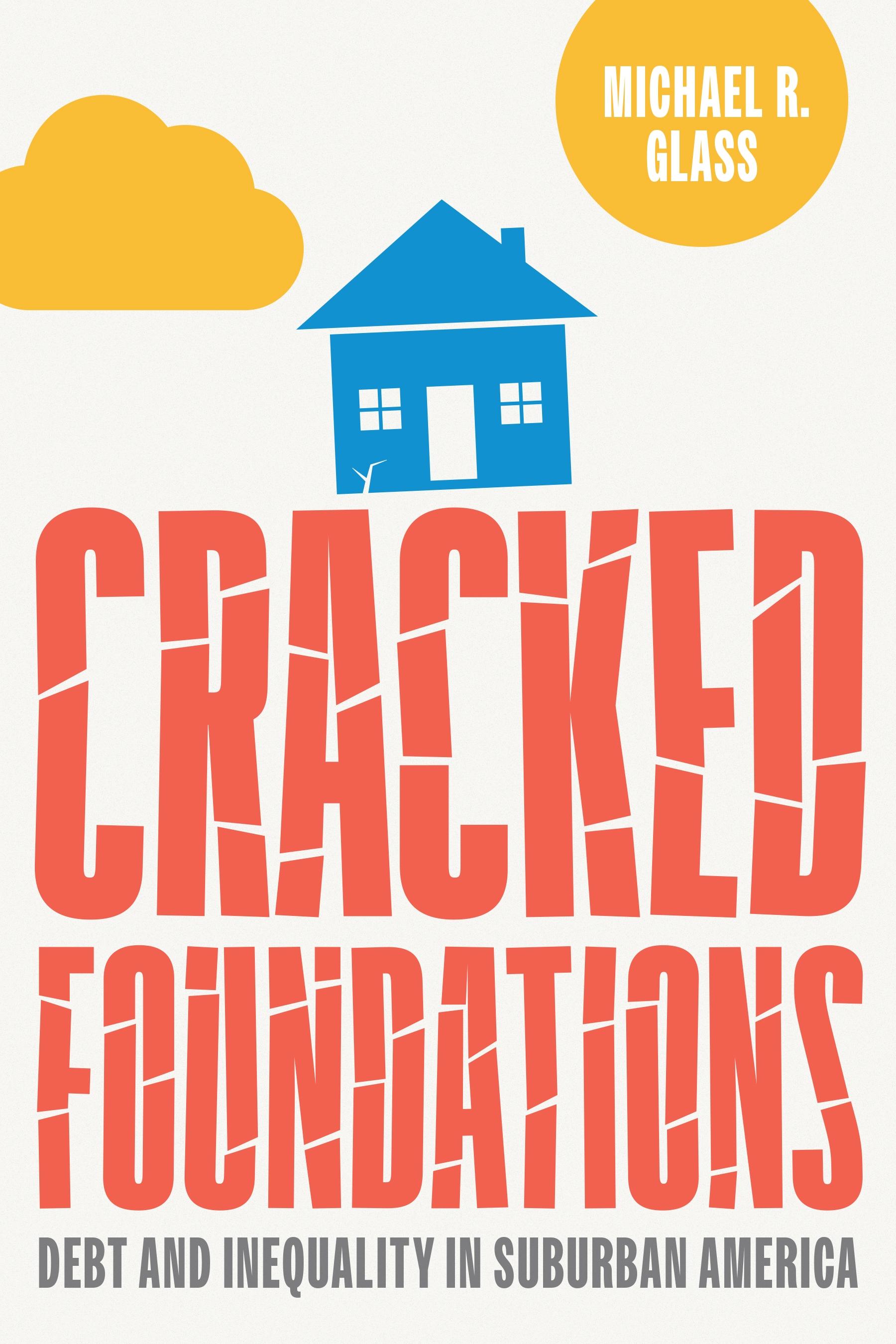
How debt and speculation financed the suburban American dream and led to today’s inequalities
In the popular imagination, the suburbs are synonymous with the “American Dream” of upward mobility and economic security. After World War II, white families rushed into newly built suburbs, where they accumulated wealth through homeownership and enjoyed access to superior public schools. In this revelatory new account of postwar suburbanization, historian Michael R. Glass exposes the myth of uniform suburban prosperity. Focusing on the archetypal suburbs of Long Island, Cracked Foundations uncovers a hidden landscape of debt and speculation.
Glass shows how suburbanites were not guaranteed decent housing and high-quality education but instead had to obtain these necessities in the marketplace using home mortgages and municipal bonds. These debt instruments created financial strains for families, distributed resources unevenly across suburbs, and codified racial segregation. Most important, debt transformed housing and education into commodities, turning homes and schools into engines of capital accumulation. The resulting pressures made life increasingly precarious, even for those privileged suburbanites who resided in all-white communities. For people of color denied the same privileges, suburbs became places where predatory loans extracted wealth and credit rating agencies punished children in the poorest school districts. Long Islanders challenged these inequalities over several decades, demanding affordable housing, school desegregation, tax equity, and school-funding equalization. Yet the unequal circumstances created by the mortgages and bonds remain very much in place, even today.
Cracked Foundations not only transforms our understanding of housing, education, and inequality but also highlights how contemporary issues like the affordable housing crisis and school segregation have their origins in the postwar golden age of capitalism.
Before Memmo my notes were scattered across PDFs. Now a workspace pulls everything into one place — I see exactly what's still left to study.
Memmo's summaries are gold before exams. I don't have to re-read 800 pages two weeks before — just the important parts.
The AI chat has saved me the night before an exam more than once. I just keep asking until I get it — no waiting on a study group to reply.
The quizzes hit exactly what I need to know. Memmo tracks what I get stuck on — so I only practice what's worth it.
Flashcards with spaced repetition are magic. Memmo knows when I'm about to forget something and brings it back.
The AI podcasts are my favorite. I listen on my way to school and get a recap without sitting at a computer.

Handbok i kvalitativa metoder
281 kr

Hållbar utveckling: en introduktion för ingenjörer och andra problemlösare
334 kr

Brymans Samhällsvetenskapliga metoder
390 kr

Projektledning
491 kr

Den orättvisa hälsan: om socioekonomiska skillnader i hälsa och livslängd
326 kr

Organizational Leadership
429 kr

Vetenskapsteori för nybörjare
196 kr

På väg mot läraryrket
172 kr

Det sociala livet i skolan: Socialpsykologiska perspektiv
253 kr

Betygsättningens didaktik
151 kr

Personality
402 kr

Studying Leadership
404 kr

Managing Innovation
477 kr

Introduktion till samhällsvetenskaplig metod
347 kr

The Psychology of Sex and Gender
698 kr

Evidens och kunskap för socialt arbete
207 kr

Introduction to Leadership
605 kr