
Before Memmo my notes were scattered across PDFs. Now a workspace pulls everything into one place — I see exactly what's still left to study.
What was considered a good, normal, or healthy voice in the nineteenth century?
In 1854, singing master Manuel Garcia became the first person to see the vocal cords at work in a human throat. Less than a decade later, surgeon Paul Broca identified what he called a speech center in the brain. The almost simultaneous invention of the laryngoscope and the discovery of Broca’s area present important turning points for how medical, musical, and other experts understood how the human voice works.
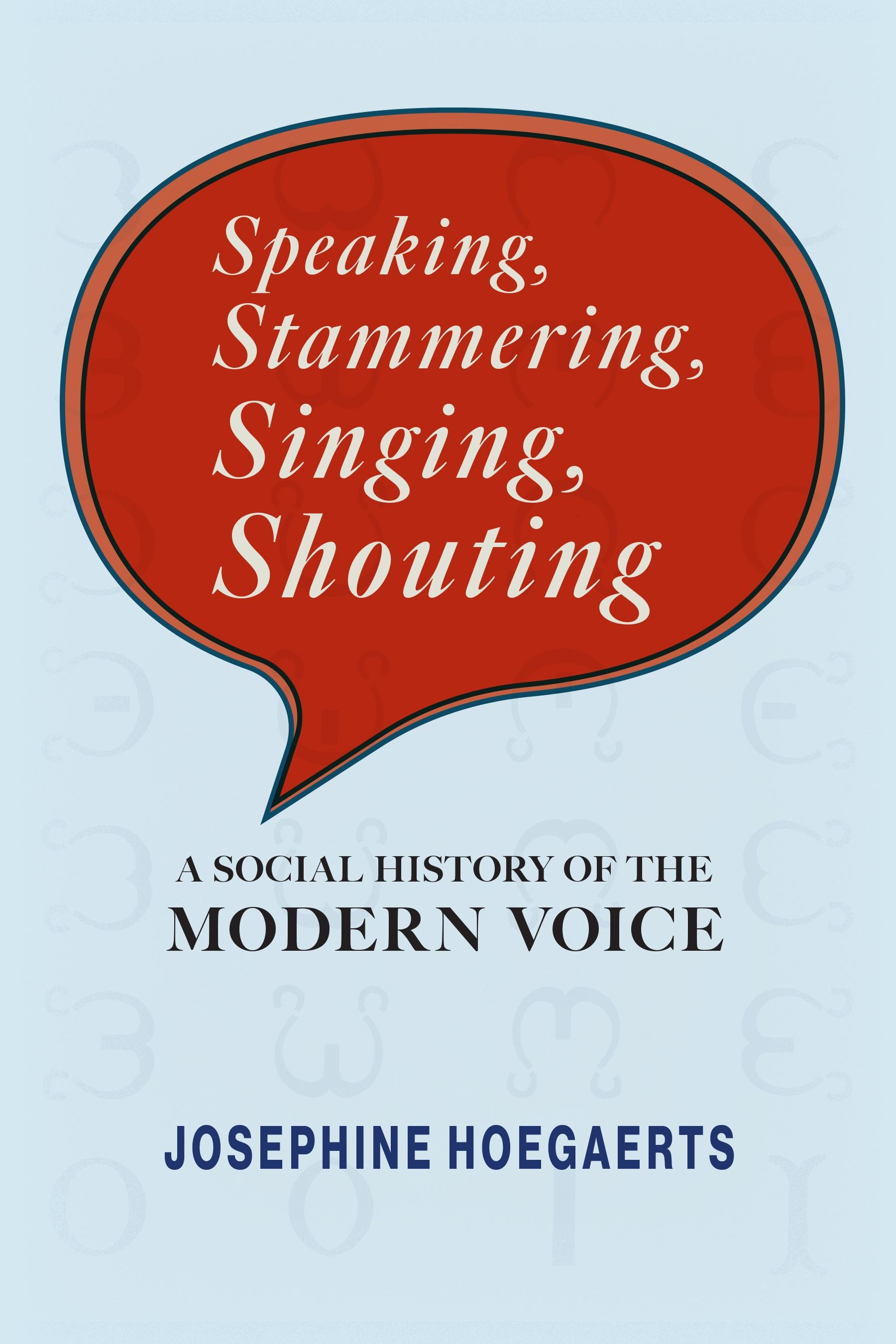
These developments did not occur in a vacuum, however. In Speaking, Stammering, Singing, Shouting, Josephine Hoegaerts describes the ambitious attempts, throughout the nineteenth century, to observe, understand, and manage human voices, as well as the host of more traditional, domestic, and stereotypical beliefs about the voice that continued to exist alongside these new insights. She peers into the stammering therapist’s office, over the singing teacher’s shoulder, and occasionally into the laryngoscope to see how something so simple—the sound Europeans produced when they opened their mouths—changed over the course of the nineteenth century.
Combining insights from medical and musical histories with methods from the fields of sound studies and the history of experience, Hoegaerts traces how people imagined human voices in the nineteenth century and how they used them. Rather than focusing on the great singers and orators of the age, the book looks at the mundane daily practices of singers, speakers, and stammerers and the people who trained and studied them. What did it take, according to all these increasingly specialized professionals, to have a normal voice in nineteenth-century Europe?
Before Memmo my notes were scattered across PDFs. Now a workspace pulls everything into one place — I see exactly what's still left to study.
Memmo's summaries are gold before exams. I don't have to re-read 800 pages two weeks before — just the important parts.
The AI chat has saved me the night before an exam more than once. I just keep asking until I get it — no waiting on a study group to reply.
The quizzes hit exactly what I need to know. Memmo tracks what I get stuck on — so I only practice what's worth it.
Flashcards with spaced repetition are magic. Memmo knows when I'm about to forget something and brings it back.
The AI podcasts are my favorite. I listen on my way to school and get a recap without sitting at a computer.

Handbok i kvalitativa metoder
281 kr

Hållbar utveckling: en introduktion för ingenjörer och andra problemlösare
334 kr

Brymans Samhällsvetenskapliga metoder
390 kr

Projektledning
491 kr

Den orättvisa hälsan: om socioekonomiska skillnader i hälsa och livslängd
326 kr

Organizational Leadership
429 kr

Vetenskapsteori för nybörjare
196 kr

På väg mot läraryrket
172 kr

Det sociala livet i skolan: Socialpsykologiska perspektiv
253 kr

Betygsättningens didaktik
151 kr

Personality
402 kr

Studying Leadership
404 kr

Managing Innovation
477 kr

Introduktion till samhällsvetenskaplig metod
347 kr

The Psychology of Sex and Gender
698 kr

Evidens och kunskap för socialt arbete
207 kr

Introduction to Leadership
605 kr