
Before Memmo my notes were scattered across PDFs. Now a workspace pulls everything into one place — I see exactly what's still left to study.
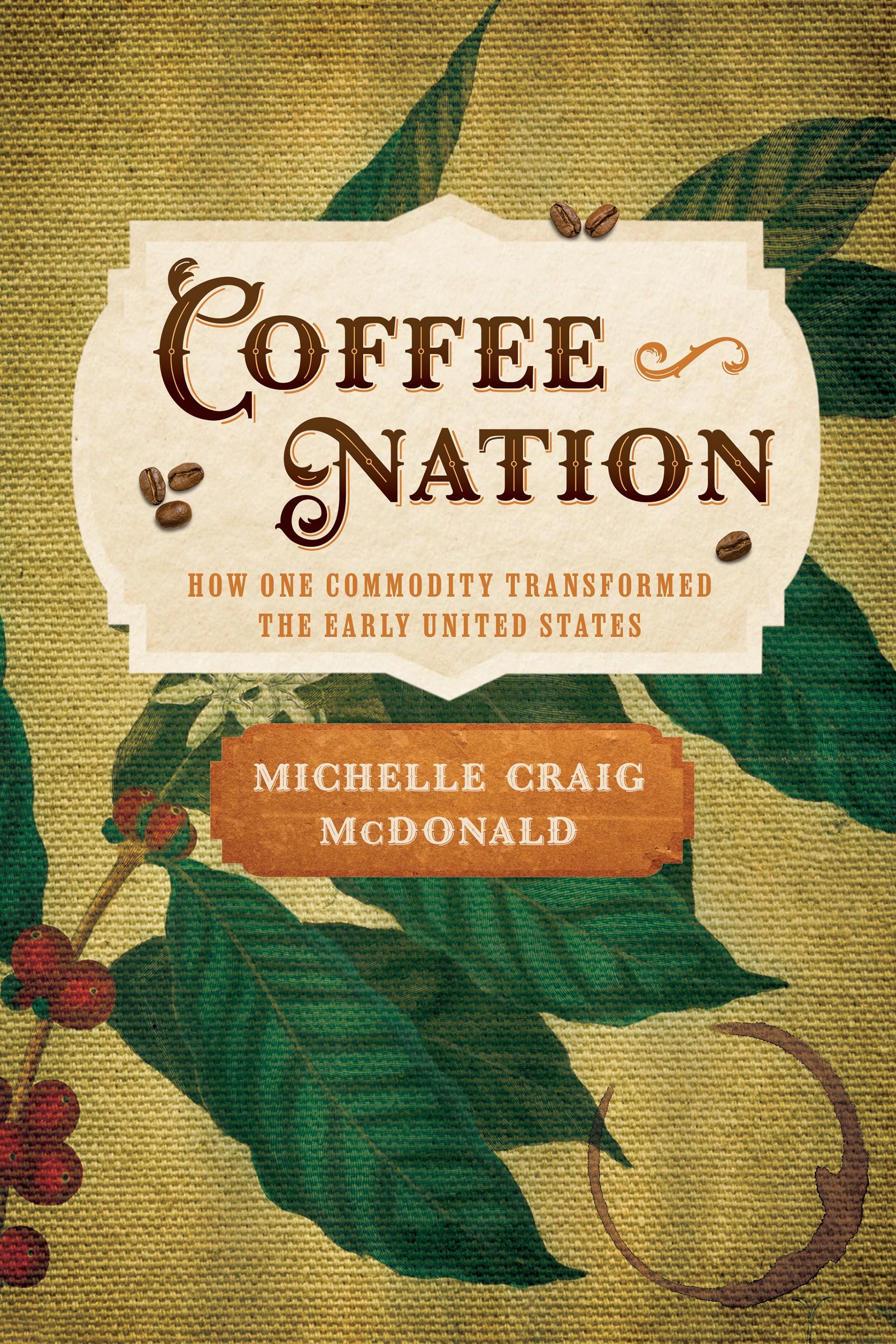
A fascinating look at how coffee tied the economic future of the early United States to the wider Atlantic world
Coffee is among the most common goods traded and consumed worldwide, and so omnipresent its popularity is often taken for granted. But even everyday habits have a history. When and why coffee become part of North American daily life is at the center of Coffee Nation. Using a wide range of archival, quantitative, and material evidence, Michelle Craig McDonald follows coffee from the slavery-based plantations of the Caribbean and South America, through the balance sheets of Atlantic world merchants, into the coffeehouses, stores, and homes of colonial North Americans, and ultimately to the growing import/export businesses of the early nineteenth-century United States that rebranded this exotic good as an American staple. The result is a sweeping history that explores how coffee shaped the lives of enslaved laborers and farmers, merchants and retailers, consumers and advertisers.
Coffee Nation also challenges traditional interpretations of the American Revolution, as coffee’s spectacular profitability in US markets and popularity on the new nation’s tables by the mid-nineteenth century was the antithesis of independence. From its beginnings as a colonial commodity in the early eighteenth century, coffee’s popularity soared to become a leading global economy by the 1830s. The United States dominated this growth, by importing ever-increasing amounts of the commodity for drinkers at home and developing a lucrative re-export trade to buyers overseas. But while income generated from coffee sales made up an expanding portion of US trade revenue, the market always depended on reliable access to a commodity that the nation could not grow for itself. By any measure, the coffee industry was a financial success story, but one that runs counter to the dominant narrative of national autonomy. Distribution, not production, lay at the heart of North America’s coffee business, and its profitability and expansion relied on securing and maintaining ties first with the Caribbean and then Latin America.
Before Memmo my notes were scattered across PDFs. Now a workspace pulls everything into one place — I see exactly what's still left to study.
Memmo's summaries are gold before exams. I don't have to re-read 800 pages two weeks before — just the important parts.
The AI chat has saved me the night before an exam more than once. I just keep asking until I get it — no waiting on a study group to reply.
The quizzes hit exactly what I need to know. Memmo tracks what I get stuck on — so I only practice what's worth it.
Flashcards with spaced repetition are magic. Memmo knows when I'm about to forget something and brings it back.
The AI podcasts are my favorite. I listen on my way to school and get a recap without sitting at a computer.

Handbok i kvalitativa metoder
281 kr

Hållbar utveckling: en introduktion för ingenjörer och andra problemlösare
334 kr

Brymans Samhällsvetenskapliga metoder
390 kr

Projektledning
491 kr

Den orättvisa hälsan: om socioekonomiska skillnader i hälsa och livslängd
326 kr

Vetenskapsteori för nybörjare
196 kr

Organizational Leadership
429 kr

På väg mot läraryrket
172 kr

Det sociala livet i skolan: Socialpsykologiska perspektiv
253 kr

Betygsättningens didaktik
151 kr

Personality
402 kr

Studying Leadership
404 kr

Managing Innovation
477 kr

Introduktion till samhällsvetenskaplig metod
347 kr

The Psychology of Sex and Gender
698 kr

Evidens och kunskap för socialt arbete
207 kr

Introduction to Leadership
605 kr