
Before Memmo my notes were scattered across PDFs. Now a workspace pulls everything into one place — I see exactly what's still left to study.
A cultural history of speech in medieval Italy
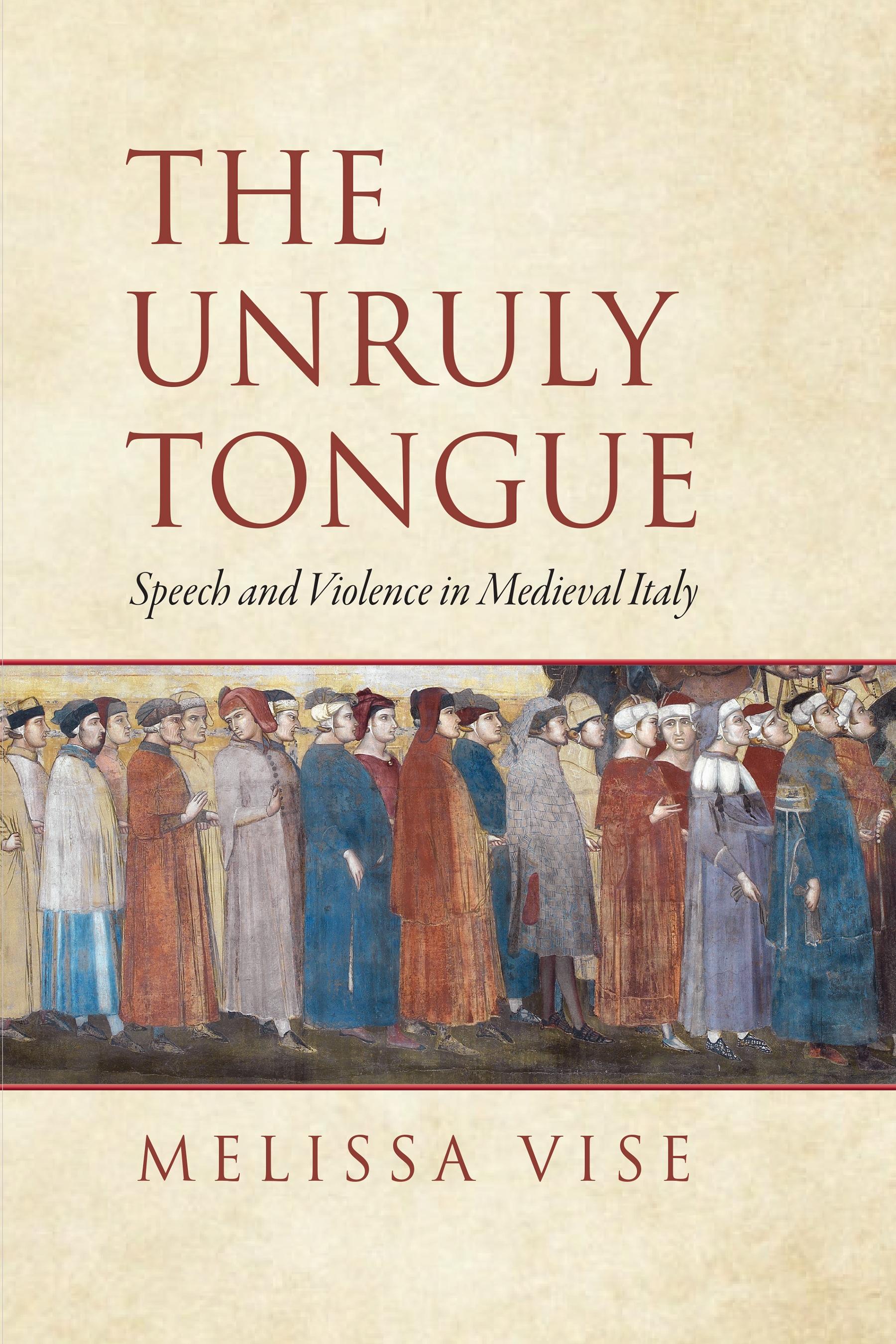
The Unruly Tongue, a cultural history of speech in medieval Italy, offers a new account of how the power of words changed in Western thought. Despite the association of freedom of speech with the political revolutions of the eighteenth century that ushered in the era of modern democracies, historian Melissa Vise locates the history of the repression of speech not in Europe’s monarchies but rather in Italy’s republics. Exploring the cultural process through which science and medicine, politics, law, literature, and theology together informed a new political ethics of speech, Vise uncovers the formation of a moral code where the regulation of the tongue became an integral component of republican values in medieval Europe.
The medieval citizens of Italy’s republics understood themselves to be wholly subject to the power of words not because they lived in an age of persecution or doctrinal rigidity, but because words had furnished the grounds for their political freedom. Speech-making was the means for speaking the republic itself into existence against the opposition of aristocracy, empire, and papacy. But because words had power, they could also be deployed as weapons. Speech contained the potential for violence and presented a threat to political and social order, and thus needed to be controlled. Vise shows how the laws that governed and curtailed speech in medieval Italy represented broader cultural understandings of human susceptibility to speech. Tracing anthropologies of speech from religious to political discourse, from civic courts to ecclesiastical courts, from medical texts to the works of Dante and Boccaccio, The Unruly Tongue demonstrates that the thirteenth century marked a major shift in how people perceived the power, and the threat, of speech: a change in thinking about “what words do.”
Before Memmo my notes were scattered across PDFs. Now a workspace pulls everything into one place — I see exactly what's still left to study.
Memmo's summaries are gold before exams. I don't have to re-read 800 pages two weeks before — just the important parts.
The AI chat has saved me the night before an exam more than once. I just keep asking until I get it — no waiting on a study group to reply.
The quizzes hit exactly what I need to know. Memmo tracks what I get stuck on — so I only practice what's worth it.
Flashcards with spaced repetition are magic. Memmo knows when I'm about to forget something and brings it back.
The AI podcasts are my favorite. I listen on my way to school and get a recap without sitting at a computer.

Handbok i kvalitativa metoder
281 kr

Hållbar utveckling: en introduktion för ingenjörer och andra problemlösare
334 kr

Brymans Samhällsvetenskapliga metoder
390 kr

Projektledning
491 kr

Den orättvisa hälsan: om socioekonomiska skillnader i hälsa och livslängd
326 kr

Organizational Leadership
429 kr

Vetenskapsteori för nybörjare
196 kr

På väg mot läraryrket
172 kr

Det sociala livet i skolan: Socialpsykologiska perspektiv
253 kr

Betygsättningens didaktik
151 kr

Personality
402 kr

Studying Leadership
404 kr

Managing Innovation
477 kr

Introduktion till samhällsvetenskaplig metod
347 kr

The Psychology of Sex and Gender
698 kr

Evidens och kunskap för socialt arbete
207 kr

Introduction to Leadership
605 kr