
Before Memmo my notes were scattered across PDFs. Now a workspace pulls everything into one place — I see exactly what's still left to study.
Chronicles the history of emancipation through the cradle-to-grave experiences of a remarkable generation of black northerners
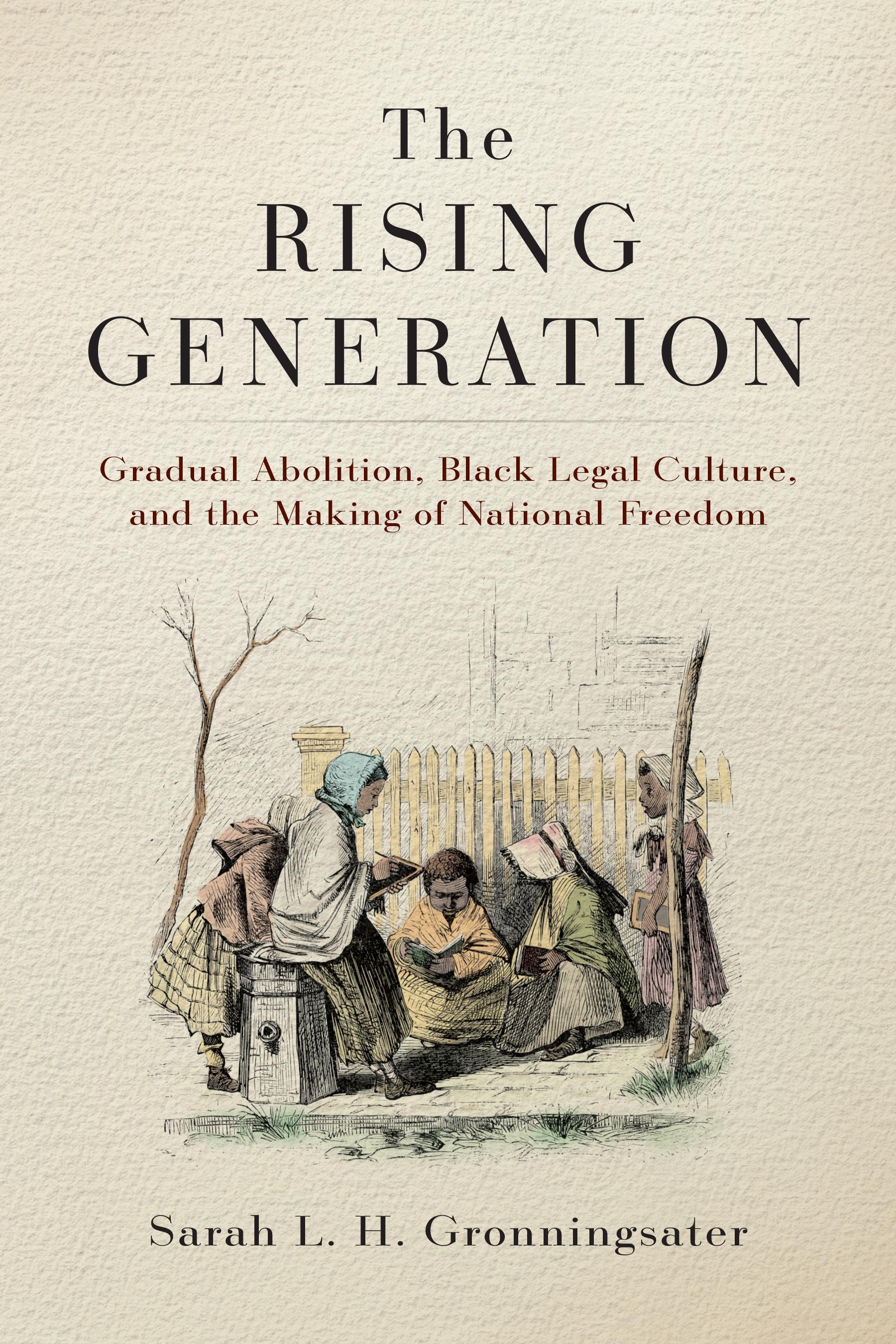
The Rising Generation chronicles the long history of emancipation in the United States through the cradle-to-grave experiences of a generation of black New Yorkers. Born into precarious freedom after the American Revolution and reaching adulthood in the lead-up to the Civil War, this remarkable generation ultimately played an outsized role in political and legal conflicts over slavery’s future, influencing both the nation’s path to the Civil War and changes to the US Constitution.
Through exhaustive research in archives across New York State, where the largest enslaved population in the North resided at the time of the American Revolution, Sarah L. H. Gronningsater begins by exploring how English colonial laws shaped late eighteenth-century gradual abolition acts that freed children born to enslaved mothers. The boys and girls affected by these laws were born into a quasi-free legal status. They were technically not enslaved but were nonetheless required to labor as servants until they reached adulthood. Parents, teachers, and mentors of these “children of gradual abolition” found multiple ways to protect and nurture the boys and girls in their midst. They supported and founded schools, formed ties with white lawyers and abolitionists, petitioned local and state officials for better laws, guarded against kidnapping and cruelty, and shaped New York’s evolving identity as a free state. Black fathers used their votes during annual state elections in the early 1800s to influence legislative antislavery efforts. After many but not all black men in the state were disfranchised by a race-based property requirement in 1822, black citizens across New York organized to regain equal suffrage and to expand and protect other crucial, non-gendered features of state citizenship. Women and children were critical participants in these efforts.
Gronningsater shows how, as the children of gradual abolition reached adulthood, they took the lessons of their youth into midcentury campaigns for legal equality, political inclusion, equitable common school education, and the expansion of freedom across the nation.
Before Memmo my notes were scattered across PDFs. Now a workspace pulls everything into one place — I see exactly what's still left to study.
Memmo's summaries are gold before exams. I don't have to re-read 800 pages two weeks before — just the important parts.
The AI chat has saved me the night before an exam more than once. I just keep asking until I get it — no waiting on a study group to reply.
The quizzes hit exactly what I need to know. Memmo tracks what I get stuck on — so I only practice what's worth it.
Flashcards with spaced repetition are magic. Memmo knows when I'm about to forget something and brings it back.
The AI podcasts are my favorite. I listen on my way to school and get a recap without sitting at a computer.

Handbok i kvalitativa metoder
281 kr

Hållbar utveckling: en introduktion för ingenjörer och andra problemlösare
334 kr

Brymans Samhällsvetenskapliga metoder
390 kr

Projektledning
491 kr

Den orättvisa hälsan: om socioekonomiska skillnader i hälsa och livslängd
326 kr

Organizational Leadership
429 kr

Vetenskapsteori för nybörjare
196 kr

På väg mot läraryrket
172 kr

Det sociala livet i skolan: Socialpsykologiska perspektiv
253 kr

Betygsättningens didaktik
151 kr

Personality
402 kr

Studying Leadership
404 kr

Managing Innovation
477 kr

Introduktion till samhällsvetenskaplig metod
347 kr

The Psychology of Sex and Gender
698 kr

Evidens och kunskap för socialt arbete
207 kr

Introduction to Leadership
605 kr