
Before Memmo my notes were scattered across PDFs. Now a workspace pulls everything into one place — I see exactly what's still left to study.
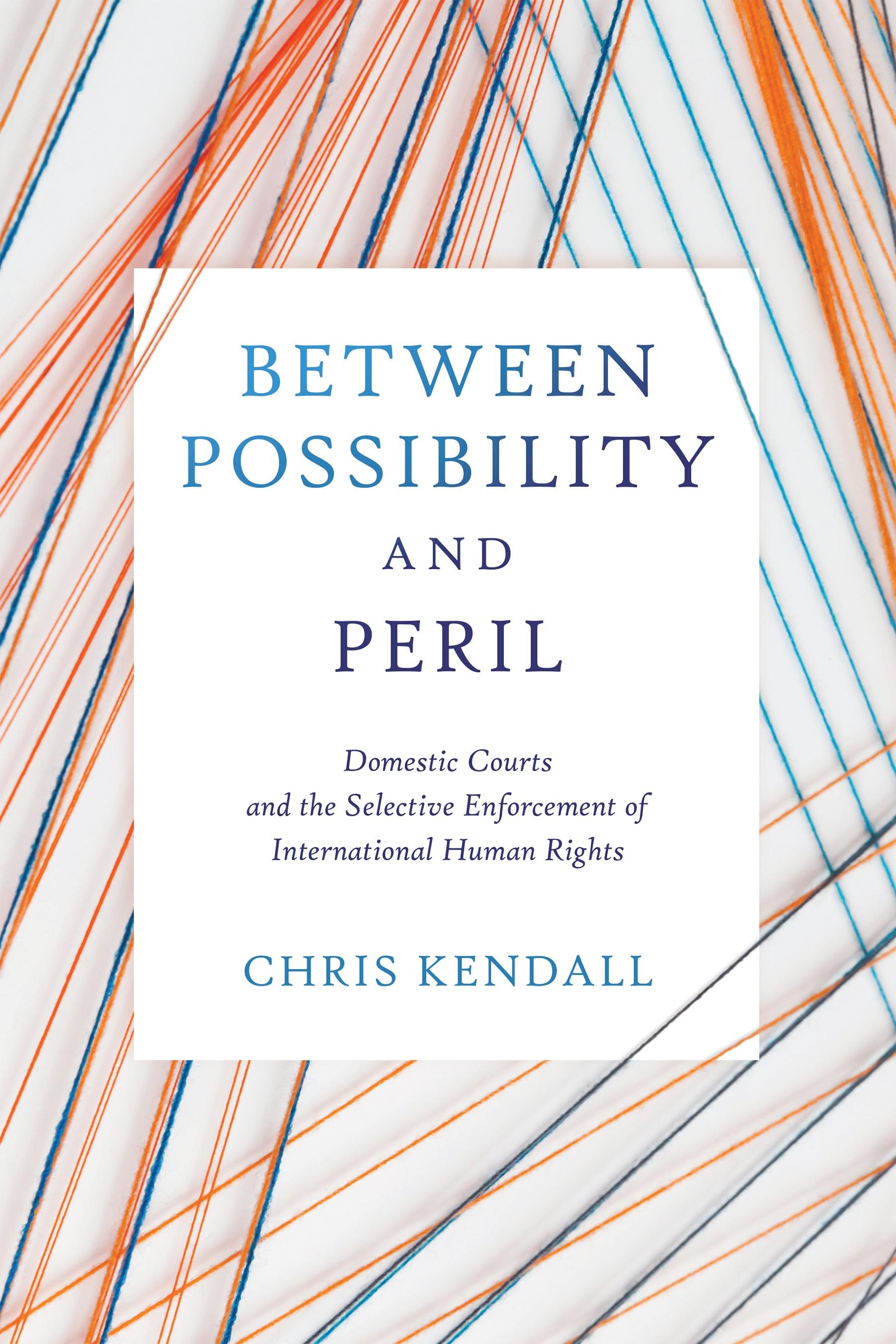
How domestic courts in newly democratized states become willing and able to enforce international human rights law
When do domestic courts protect international human rights? By the end of the twentieth century, the world had witnessed an unprecedented flourishing of international human rights law and a growing number of democratic states whose domestic institutions promised to protect those rights. A single institution often became the center of these efforts: the court. Advocates in newly democratized states could look to high courts to demand that their governments comply with international law and bring policy into line with liberal rhetoric.
This process, however, put these young courts in a difficult position. With no deep well of historical legitimacy to draw on in new political environments, courts had to weigh high-minded legal principles against the limited resources or political preferences of elected governments. In such situations, how did these courts respond, and what strategies allowed some to successfully build their legitimacy over time while others faltered, succumbing to political pressure or suffering political backlash?
In Between Possibility and Peril, Chris Kendall explores this dynamic in three states—Colombia, Mexico, and South Africa—in the twenty years following each country’s democratic transition. The case studies reveal a common pattern: what matters most is not international law itself, but a court’s ability to control its procedural environment. Control over these “rules of the game” allows a court to selectively engage international human rights issues that can enhance its legitimacy and build public support while avoiding those issues likely to put it in direct conflict with hostile political actors. The result is paradoxical—the most successful courts in the long term are those who in the short term often choose to disappoint rights advocates.
Before Memmo my notes were scattered across PDFs. Now a workspace pulls everything into one place — I see exactly what's still left to study.
Memmo's summaries are gold before exams. I don't have to re-read 800 pages two weeks before — just the important parts.
The AI chat has saved me the night before an exam more than once. I just keep asking until I get it — no waiting on a study group to reply.
The quizzes hit exactly what I need to know. Memmo tracks what I get stuck on — so I only practice what's worth it.
Flashcards with spaced repetition are magic. Memmo knows when I'm about to forget something and brings it back.
The AI podcasts are my favorite. I listen on my way to school and get a recap without sitting at a computer.

Handbok i kvalitativa metoder
281 kr

Hållbar utveckling: en introduktion för ingenjörer och andra problemlösare
334 kr

Brymans Samhällsvetenskapliga metoder
390 kr

Projektledning
491 kr

Den orättvisa hälsan: om socioekonomiska skillnader i hälsa och livslängd
326 kr

Vetenskapsteori för nybörjare
196 kr

Organizational Leadership
429 kr

På väg mot läraryrket
172 kr

Det sociala livet i skolan: Socialpsykologiska perspektiv
253 kr

Betygsättningens didaktik
151 kr

Personality
402 kr

Studying Leadership
404 kr

Managing Innovation
477 kr

Introduktion till samhällsvetenskaplig metod
347 kr

The Psychology of Sex and Gender
698 kr

Evidens och kunskap för socialt arbete
207 kr

Introduction to Leadership
605 kr