
Before Memmo my notes were scattered across PDFs. Now a workspace pulls everything into one place — I see exactly what's still left to study.
Angel, a Black tenth-grader at a New York City public school, self-identifies as a nerd and likes to learn. But she’s troubled that her history classes leave out events like the genocide and dispossession of Indigenous people in the Americas, presenting a sugar-coated image of the United States that is at odds with her everyday experience. “The history I learned in school is simpler,” she says. “The world I live in is a lot more complex.”
Angel, like every student interviewed in Discipline Problems, has been identified by teachers as a “troublemaker,” a student whose behavior disrupts classroom norms and interferes with instruction. But her critiques of the curriculum she’s taught speak to her curiosity and insight, crucial foundations for understanding history. Like many students who have been marginalized by systemic racism in American schools, she exposes the shortcomings of her classrooms’ academic environments by challenging both the content and the methods of her education. All too often, these challenges are framed as “troublemaking,” and the students are disciplined for “acting out” instead of being rewarded for their intellectual engagement.
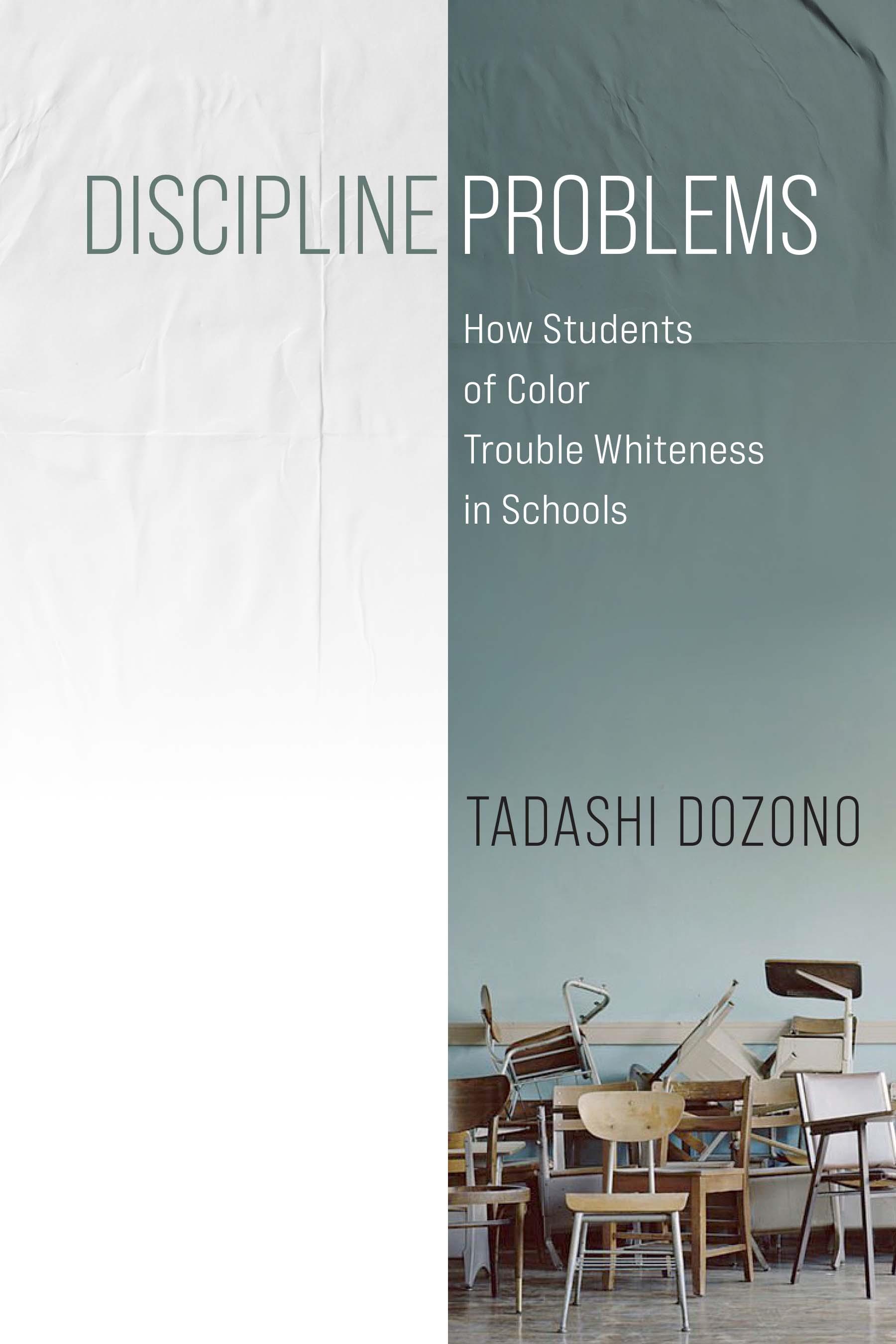
Tadashi Dozono, a professor of education and former high school social studies teacher, takes seriously the often-overlooked critiques that students of color who get labeled as troublemakers direct toward their high school history curriculum. He reinterprets “troublemaking,” usually cast as a behavioral deficit, as an intellectual asset and form of reasoning that challenges the “disciplining reason” of classrooms where whiteness is valued over the histories and knowledge of people of color. Dozono shows how what are traditionally framed as discipline problems can be seen through a different lens as responses to educational practices that marginalize non-white students. Discipline Problems reveals how students of color seek out alternate avenues for understanding their world and imagines a pedagogy that champions the curiosity, intellect, and knowledge of marginalized learners.
Before Memmo my notes were scattered across PDFs. Now a workspace pulls everything into one place — I see exactly what's still left to study.
Memmo's summaries are gold before exams. I don't have to re-read 800 pages two weeks before — just the important parts.
The AI chat has saved me the night before an exam more than once. I just keep asking until I get it — no waiting on a study group to reply.
The quizzes hit exactly what I need to know. Memmo tracks what I get stuck on — so I only practice what's worth it.
Flashcards with spaced repetition are magic. Memmo knows when I'm about to forget something and brings it back.
The AI podcasts are my favorite. I listen on my way to school and get a recap without sitting at a computer.

Handbok i kvalitativa metoder
281 kr

Hållbar utveckling: en introduktion för ingenjörer och andra problemlösare
334 kr

Brymans Samhällsvetenskapliga metoder
390 kr

Projektledning
491 kr

Den orättvisa hälsan: om socioekonomiska skillnader i hälsa och livslängd
326 kr

Organizational Leadership
429 kr

Vetenskapsteori för nybörjare
196 kr

På väg mot läraryrket
172 kr

Det sociala livet i skolan: Socialpsykologiska perspektiv
253 kr

Betygsättningens didaktik
151 kr

Personality
402 kr

Studying Leadership
404 kr

Managing Innovation
477 kr

Introduktion till samhällsvetenskaplig metod
347 kr

The Psychology of Sex and Gender
698 kr

Evidens och kunskap för socialt arbete
207 kr

Introduction to Leadership
605 kr