
Before Memmo my notes were scattered across PDFs. Now a workspace pulls everything into one place — I see exactly what's still left to study.
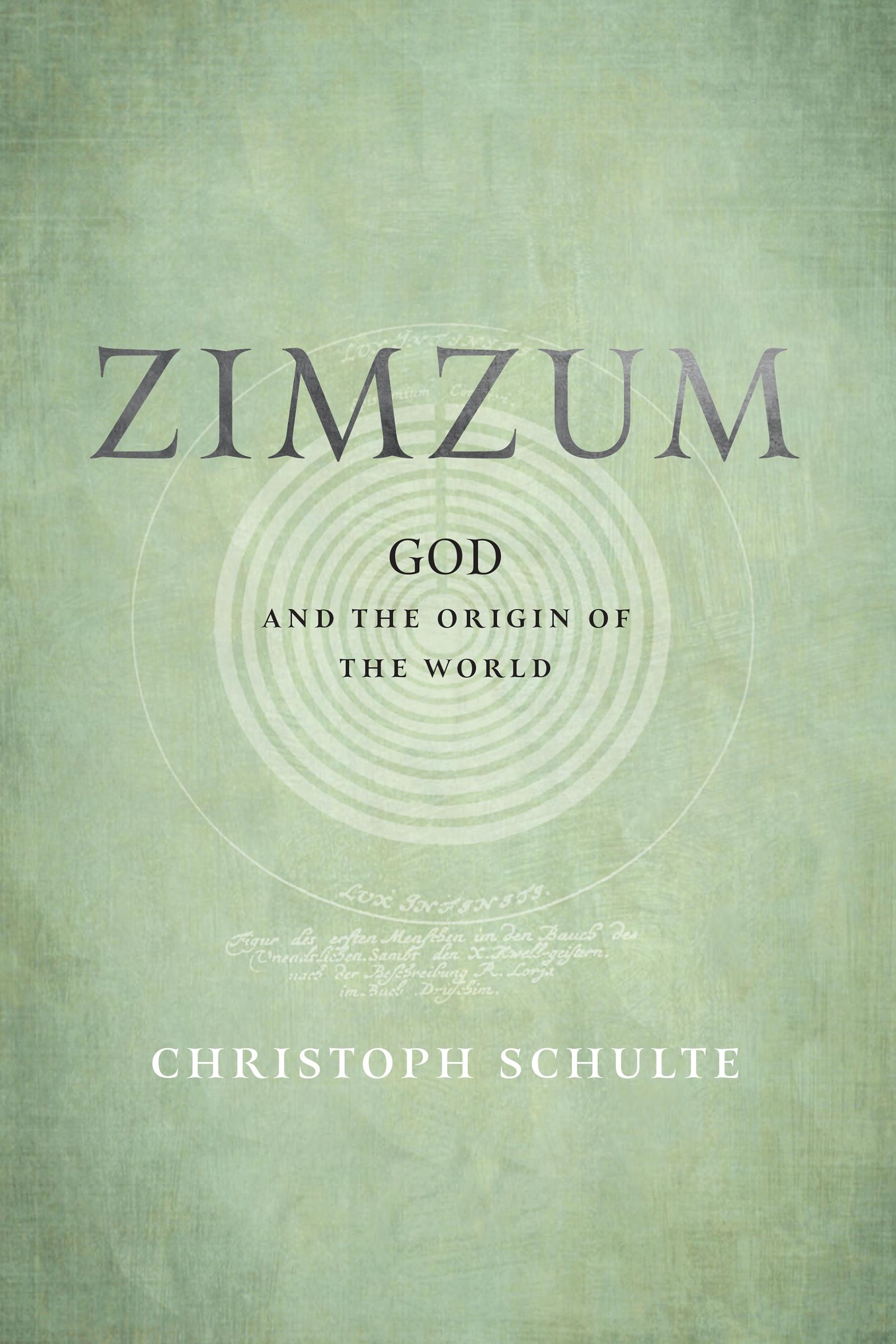
The Hebrew word zimzum originally means “contraction,” “withdrawal,” “retreat,” “limitation,” and “concentration.” In Kabbalah, zimzum is a term for God’s self-limitation, done before creating the world to create the world. Jewish mystic Isaac Luria coined this term in Galilee in the sixteenth century, positing that the God who was “Ein-Sof,” unlimited and omnipresent before creation, must concentrate himself in the zimzum and withdraw in order to make room for the creation of the world in God’s own center. At the same time, God also limits his infinite omnipotence to allow the finite world to arise. Without the zimzum there is no creation, making zimzum one of the basic concepts of Judaism.
The Lurianic doctrine of the zimzum has been considered an intellectual showpiece of the Kabbalah and of Jewish philosophy. The teaching of the zimzum has appeared in the Kabbalistic literature across Central and Eastern Europe, perhaps most famously in Hasidic literature up to the present day and in philosopher and historian Gershom Scholem’s epoch-making research on Jewish mysticism. The Zimzum has fascinated Jewish and Christian theologians, philosophers, and writers like no other Kabbalistic teaching. This can be seen across the philosophy and cultural history of the twentieth century as it gained prominence among such diverse authors and artists as Franz Rosenzweig, Hans Jonas, Isaac Bashevis Singer, Harold Bloom, Barnett Newman, and Anselm Kiefer.
This book follows the traces of the zimzum across the Jewish and Christian intellectual history of Europe and North America over more than four centuries, where Judaism and Christianity, theosophy and philosophy, divine and human, mysticism and literature, Kabbalah and the arts encounter, mix, and cross-fertilize the interpretations and appropriations of this doctrine of God’s self-entanglement and limitation.
Before Memmo my notes were scattered across PDFs. Now a workspace pulls everything into one place — I see exactly what's still left to study.
Memmo's summaries are gold before exams. I don't have to re-read 800 pages two weeks before — just the important parts.
The AI chat has saved me the night before an exam more than once. I just keep asking until I get it — no waiting on a study group to reply.
The quizzes hit exactly what I need to know. Memmo tracks what I get stuck on — so I only practice what's worth it.
Flashcards with spaced repetition are magic. Memmo knows when I'm about to forget something and brings it back.
The AI podcasts are my favorite. I listen on my way to school and get a recap without sitting at a computer.

Handbok i kvalitativa metoder
281 kr

Hållbar utveckling: en introduktion för ingenjörer och andra problemlösare
334 kr

Brymans Samhällsvetenskapliga metoder
390 kr

Projektledning
491 kr

Den orättvisa hälsan: om socioekonomiska skillnader i hälsa och livslängd
326 kr

Vetenskapsteori för nybörjare
196 kr

Organizational Leadership
429 kr

På väg mot läraryrket
172 kr

Det sociala livet i skolan: Socialpsykologiska perspektiv
253 kr

Betygsättningens didaktik
151 kr

Personality
402 kr

Studying Leadership
404 kr

Managing Innovation
477 kr

Introduktion till samhällsvetenskaplig metod
347 kr

The Psychology of Sex and Gender
698 kr

Evidens och kunskap för socialt arbete
207 kr

Introduction to Leadership
605 kr