
Before Memmo my notes were scattered across PDFs. Now a workspace pulls everything into one place — I see exactly what's still left to study.
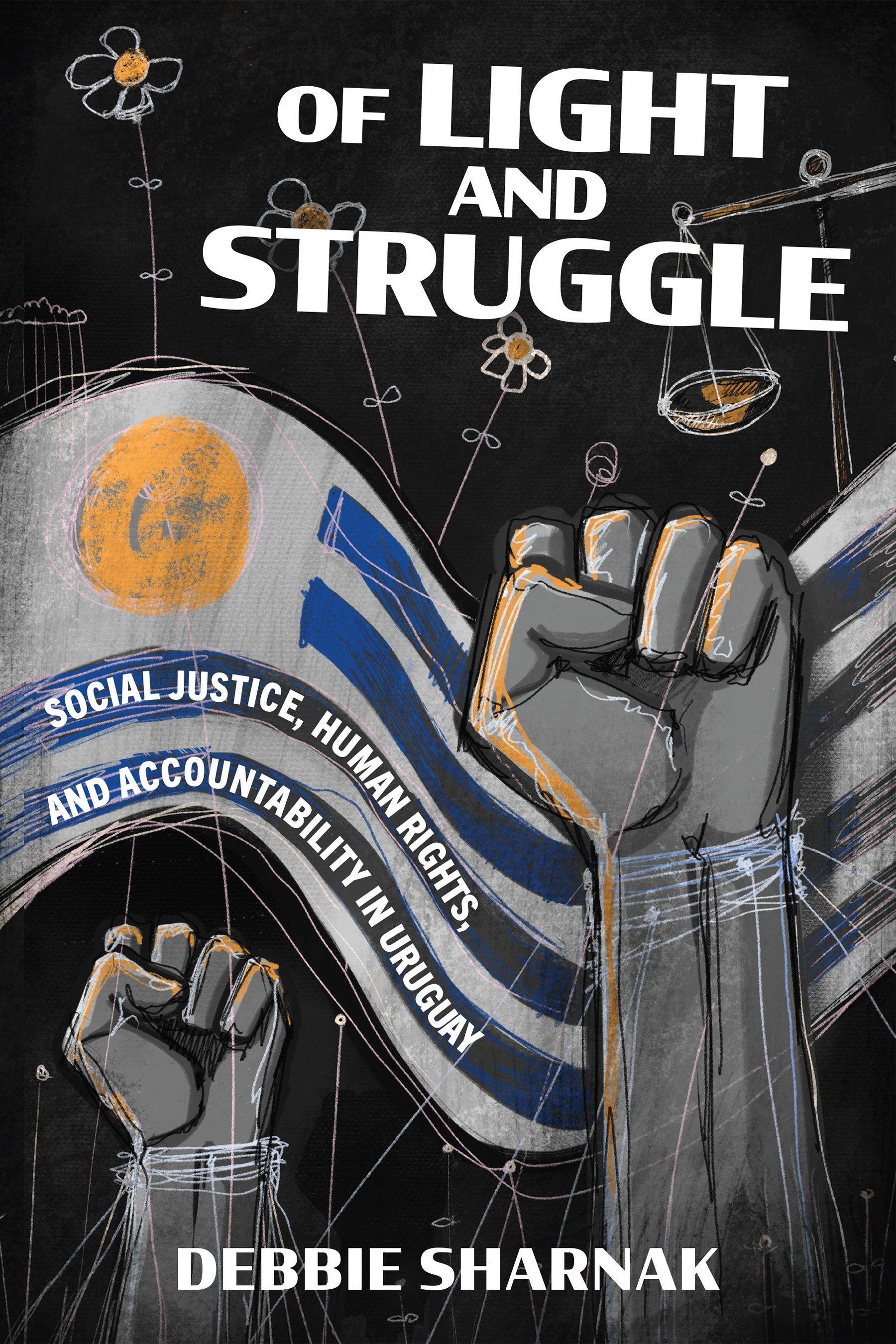
During the country’s dictatorship from 1973 to 1985, Uruguayans suffered under crushing repression, which included the highest rate of political incarceration in the world. In Of Light and Struggle, Debbie Sharnak explores how activists, transnational social movements, and international policymakers collaborated and clashed in response to this era and during the country’s transition back to democratic rule.
At the heart of the book is an examination of how the language and politics of human rights shifted over time as a result of conflict and convergence between local, national, and global dynamics. Sharnak examines the utility and limits of human rights language used by international NGOs, such as Amnesty International, and foreign governments, such as the Carter administration. She does so by exploring tensions between their responses to the dictatorship’s violations and the grassroots struggle for socioeconomic rights as well as new social movements around issues of race, gender, religion, and sexuality in Uruguay. Sharnak exposes how international activists used human rights language to combat repression in foreign countries, how local politicians, unionists, and students articulated more expansive social justice visions, how the military attempted to coopt human rights language for its own purposes, and how broader debates about human rights transformed the fight over citizenship in renewed democratic societies. By exploring the interplay between debates taking place in activists’ living rooms, presidential administrations, and international halls of power, Sharnak uncovers the messy and contingent process through which human rights became a powerful discourse for social change, and thus contributes to a new method for exploring the history of human rights.
By looking at this pivotal period in international history, Of Light and Struggle suggests that discussions around the small country on the Río de la Plata had global implications for the possibilities and constraints of human rights well beyond Uruguay’s shores.
Before Memmo my notes were scattered across PDFs. Now a workspace pulls everything into one place — I see exactly what's still left to study.
Memmo's summaries are gold before exams. I don't have to re-read 800 pages two weeks before — just the important parts.
The AI chat has saved me the night before an exam more than once. I just keep asking until I get it — no waiting on a study group to reply.
The quizzes hit exactly what I need to know. Memmo tracks what I get stuck on — so I only practice what's worth it.
Flashcards with spaced repetition are magic. Memmo knows when I'm about to forget something and brings it back.
The AI podcasts are my favorite. I listen on my way to school and get a recap without sitting at a computer.

Handbok i kvalitativa metoder
281 kr

Hållbar utveckling: en introduktion för ingenjörer och andra problemlösare
334 kr

Brymans Samhällsvetenskapliga metoder
390 kr

Projektledning
491 kr

Den orättvisa hälsan: om socioekonomiska skillnader i hälsa och livslängd
326 kr

Vetenskapsteori för nybörjare
196 kr

Organizational Leadership
429 kr

På väg mot läraryrket
172 kr

Det sociala livet i skolan: Socialpsykologiska perspektiv
253 kr

Betygsättningens didaktik
151 kr

Personality
402 kr

Studying Leadership
404 kr

Managing Innovation
477 kr

Introduktion till samhällsvetenskaplig metod
347 kr

The Psychology of Sex and Gender
698 kr

Evidens och kunskap för socialt arbete
207 kr

Introduction to Leadership
605 kr