
Before Memmo my notes were scattered across PDFs. Now a workspace pulls everything into one place — I see exactly what's still left to study.
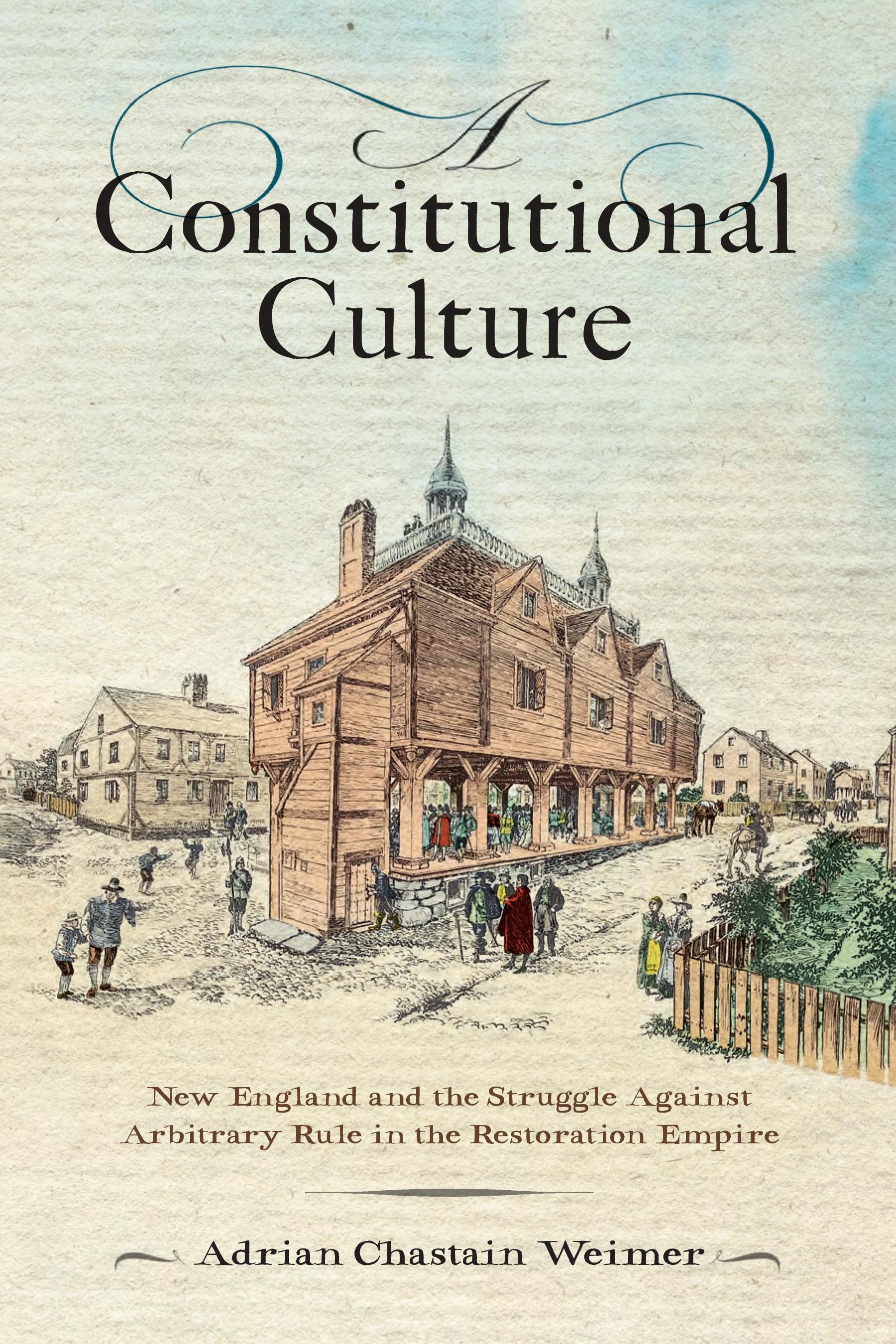
In A Constitutional Culture, Adrian Chastain Weimer uncovers the story of how, more than a hundred years before the American Revolution, colonists pledged their lives and livelihoods to the defense of local political institutions against arbitrary rule.
With the return of Charles II to the English throne in 1660, the puritan-led colonies faced enormous pressure to conform to the crown’s priorities. Charles demanded that puritans change voting practices, baptismal policies, and laws, and he also cast an eye on local resources such as forests, a valuable source of masts for the English navy. Moreover, to enforce these demands, the king sent four royal commissioners on warships, ostensibly headed for New Netherland but easily redirected toward Boston. In the face of this threat to local rule, colonists had to decide whether they would submit to the commissioners’ authority, which they viewed as arbitrary because it was not accountable to the people, or whether they would mobilize to defy the crown.
Those resisting the crown included not just freemen (voters) but also people often seen as excluded or marginalized such as non-freemen, indentured servants, and women. Together they crafted a potent regional constitutional culture in defiance of Charles II that was characterized by a skepticism of metropolitan ambition, a defense of civil and religious liberties, and a conviction that self-government was divinely sanctioned. Weimer shows how they expressed this constitutional culture through a set of well-rehearsed practices—including fast days, debates, committee work, and petitions. Equipped with a ready vocabulary for criticizing arbitrary rule, with a providentially informed capacity for risk-taking, and with a set of intellectual frameworks for divided sovereignty, the constitutional culture that New Englanders forged would not easily succumb to an imperial authority intent on consolidating its power.
Before Memmo my notes were scattered across PDFs. Now a workspace pulls everything into one place — I see exactly what's still left to study.
Memmo's summaries are gold before exams. I don't have to re-read 800 pages two weeks before — just the important parts.
The AI chat has saved me the night before an exam more than once. I just keep asking until I get it — no waiting on a study group to reply.
The quizzes hit exactly what I need to know. Memmo tracks what I get stuck on — so I only practice what's worth it.
Flashcards with spaced repetition are magic. Memmo knows when I'm about to forget something and brings it back.
The AI podcasts are my favorite. I listen on my way to school and get a recap without sitting at a computer.

Handbok i kvalitativa metoder
281 kr

Hållbar utveckling: en introduktion för ingenjörer och andra problemlösare
334 kr

Brymans Samhällsvetenskapliga metoder
390 kr

Projektledning
491 kr

Den orättvisa hälsan: om socioekonomiska skillnader i hälsa och livslängd
326 kr

Organizational Leadership
429 kr

Vetenskapsteori för nybörjare
196 kr

På väg mot läraryrket
172 kr

Det sociala livet i skolan: Socialpsykologiska perspektiv
253 kr

Betygsättningens didaktik
151 kr

Personality
402 kr

Studying Leadership
404 kr

Managing Innovation
477 kr

Introduktion till samhällsvetenskaplig metod
347 kr

The Psychology of Sex and Gender
698 kr

Evidens och kunskap för socialt arbete
207 kr

Introduction to Leadership
605 kr