
Before Memmo my notes were scattered across PDFs. Now a workspace pulls everything into one place — I see exactly what's still left to study.
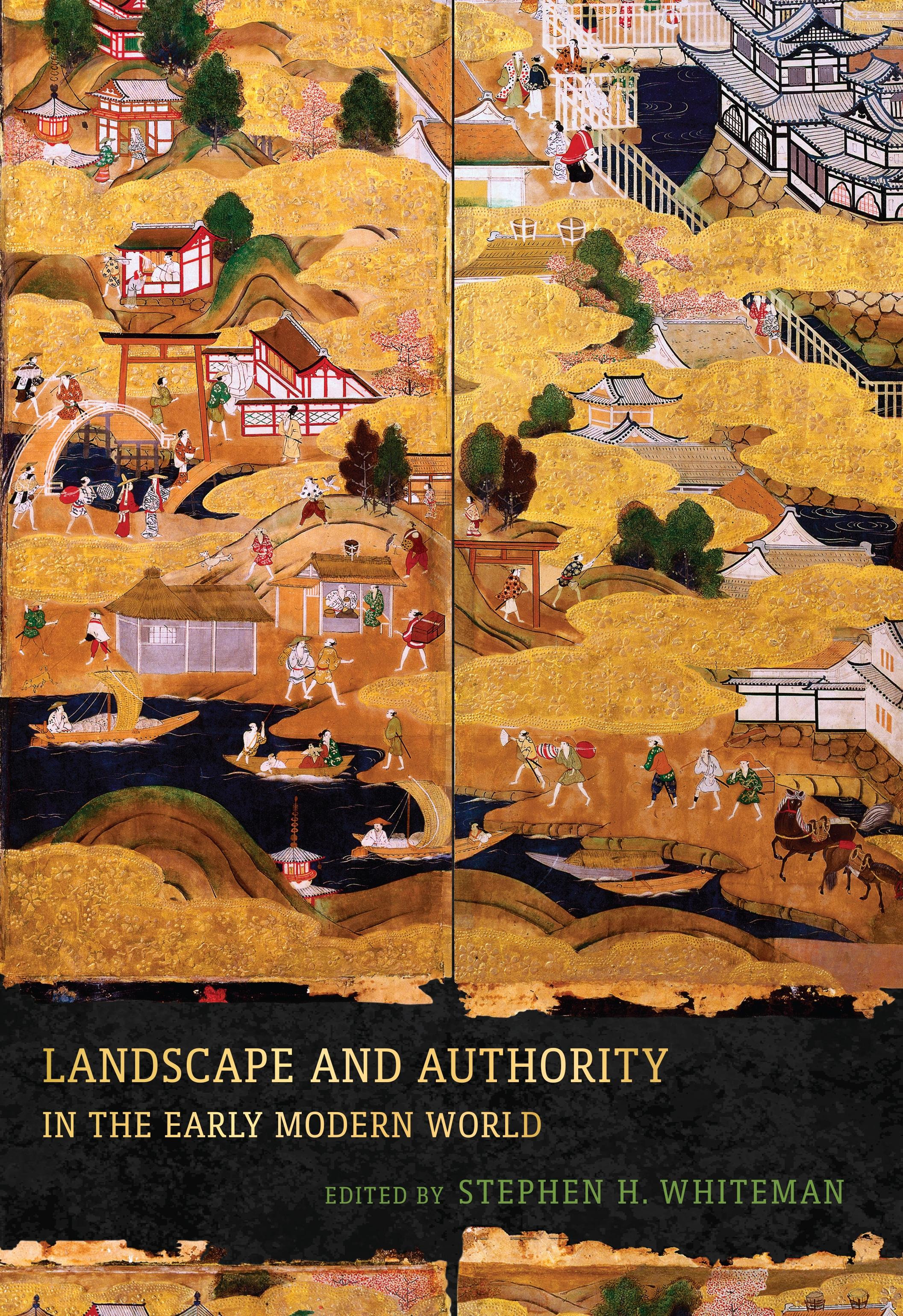
Courts and societies across the early modern Eurasian world were fundamentally transformed by the physical, technological, and conceptual developments of their era. Evolving forms of communication, greatly expanded mobility, the spread of scientific knowledge, and the emergence of an increasingly integrated global economy all affected how states articulated and projected visions of authority into societies that, in turn, perceived and responded to these visions in often contrasting terms. Landscape both reflected and served as a vehicle for these transformations, as the relationship between the land and its imagination and consumption became a fruitful site for the negotiation of imperial identities within and beyond the precincts of the court.
In Landscape and Authority in the Early Modern World, contributors explore the role of landscape in the articulation and expression of imperial identity and the mediation of relationships between the court and its many audiences in the early modern world. Nine studies focused on the geographical areas of East and South Asia, the Islamic world, and Europe illuminate how early modern courts and societies shaped, and were shaped by, the landscape, including both physical sites, such as gardens, palaces, cities, and hunting parks, and conceptual ones, such as those of frontiers, idealized polities, and the cosmos.
The collected essays expand the meaning and potential of landscape as a communicative medium in this period by putting an array of forms and subjects in dialogue with one another, including not only unique expressions, such as gardens, paintings, and manuscripts, but also the products of rapidly developing commercial technologies of reproduction, especially print. The volume invites a deeper and more nuanced understanding of the complexity with which early modern states constructed and deployed different modes of landscape for different audiences and environments.
Contributors: Robert Batchelor, Seyed Mohammad Ali Emrani, John Finlay, Caroline Fowler, Katrina Grant, Finola O’Kane, Anton Schweizer, Larry Silver, Stephen H. Whiteman.
Before Memmo my notes were scattered across PDFs. Now a workspace pulls everything into one place — I see exactly what's still left to study.
Memmo's summaries are gold before exams. I don't have to re-read 800 pages two weeks before — just the important parts.
The AI chat has saved me the night before an exam more than once. I just keep asking until I get it — no waiting on a study group to reply.
The quizzes hit exactly what I need to know. Memmo tracks what I get stuck on — so I only practice what's worth it.
Flashcards with spaced repetition are magic. Memmo knows when I'm about to forget something and brings it back.
The AI podcasts are my favorite. I listen on my way to school and get a recap without sitting at a computer.

Handbok i kvalitativa metoder
281 kr

Hållbar utveckling: en introduktion för ingenjörer och andra problemlösare
334 kr

Brymans Samhällsvetenskapliga metoder
390 kr

Projektledning
491 kr

Den orättvisa hälsan: om socioekonomiska skillnader i hälsa och livslängd
326 kr

Vetenskapsteori för nybörjare
196 kr

Organizational Leadership
429 kr

På väg mot läraryrket
172 kr

Det sociala livet i skolan: Socialpsykologiska perspektiv
253 kr

Betygsättningens didaktik
151 kr

Personality
402 kr

Studying Leadership
404 kr

Managing Innovation
477 kr

Introduktion till samhällsvetenskaplig metod
347 kr

The Psychology of Sex and Gender
698 kr

Evidens och kunskap för socialt arbete
207 kr

Introduction to Leadership
605 kr