
Before Memmo my notes were scattered across PDFs. Now a workspace pulls everything into one place — I see exactly what's still left to study.
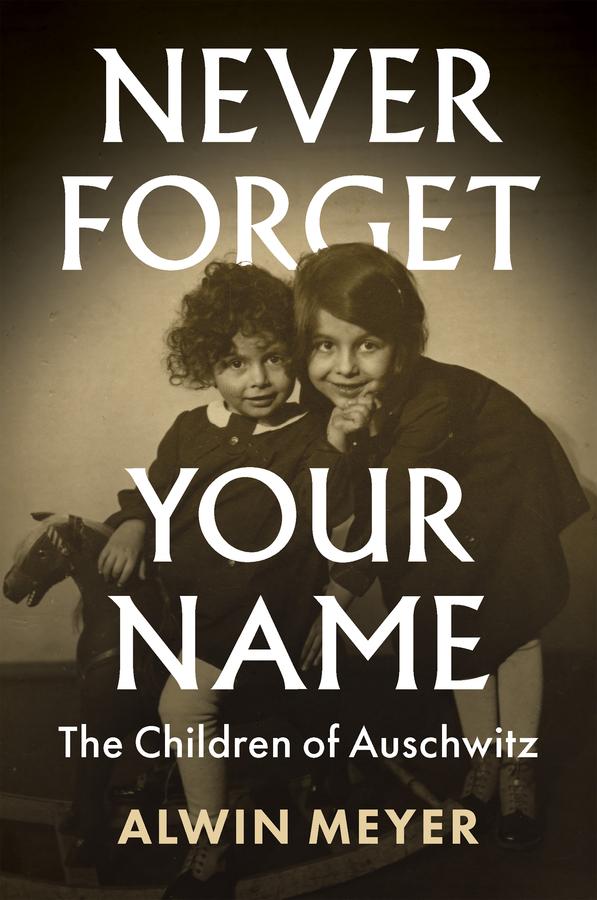
The children of Auschwitz: this is the darkest spot in the ocean of suffering that was the Holocaust. They were deported to the concentration camp with their families, with most being murdered in the gas chambers upon their arrival, or were born there under unimaginable circumstances. While 232,000 children and juveniles were deported to Auschwitz, only 750 were liberated in the death camp at the end of January 1945. Most of them were under 15 years of age. Alwin Meyer's masterwork is the culmination of decades of research and interviews with the children and their descendants, sensitively reconstructing their stories before, during and after Auschwitz.
The camp would remain with them throughout their lives: on their forearms, as a tattooed number, and in their minds, in the memory of heart-rending separation from parents and siblings, medical experiments, abject confusion, ceaseless hunger and a perpetual longing for home and security. Once the purported liberation came, there was no blueprint for piecing together personal biographies after the unthinkable had happened. Many of the children, often orphaned, had forgotten their names or ages, and had only fragmented understandings of where they came from. While some struggled to reconnect to the parents from whom they had been separated, others had known nothing other than the camp. Some children grew up without the ability to trust and to play. Survival is not yet life – it is an in-between stage which requires individuals to learn how to live. The liberated children had to learn how to be young again in order to grow into adults like others did.
This remarkable book tells the stories of the most vulnerable victims of the Nazis’ systematic attempt to extinguish innocent lives, and rescues their voices from historical oblivion. It is a unique testimony to the horrific suffering endured by millions in humanity’s darkest hour.
Before Memmo my notes were scattered across PDFs. Now a workspace pulls everything into one place — I see exactly what's still left to study.
Memmo's summaries are gold before exams. I don't have to re-read 800 pages two weeks before — just the important parts.
The AI chat has saved me the night before an exam more than once. I just keep asking until I get it — no waiting on a study group to reply.
The quizzes hit exactly what I need to know. Memmo tracks what I get stuck on — so I only practice what's worth it.
Flashcards with spaced repetition are magic. Memmo knows when I'm about to forget something and brings it back.
The AI podcasts are my favorite. I listen on my way to school and get a recap without sitting at a computer.

Handbok i kvalitativa metoder
281 kr

Hållbar utveckling: en introduktion för ingenjörer och andra problemlösare
334 kr

Brymans Samhällsvetenskapliga metoder
390 kr

Projektledning
491 kr

Den orättvisa hälsan: om socioekonomiska skillnader i hälsa och livslängd
326 kr

Organizational Leadership
429 kr

Vetenskapsteori för nybörjare
196 kr

På väg mot läraryrket
172 kr

Det sociala livet i skolan: Socialpsykologiska perspektiv
253 kr

Betygsättningens didaktik
151 kr

Personality
402 kr

Studying Leadership
404 kr

Managing Innovation
477 kr

Introduktion till samhällsvetenskaplig metod
347 kr

The Psychology of Sex and Gender
698 kr

Evidens och kunskap för socialt arbete
207 kr

Introduction to Leadership
605 kr