
Before Memmo my notes were scattered across PDFs. Now a workspace pulls everything into one place — I see exactly what's still left to study.
Solitude has always had an ambivalent status: the capacity to enjoy being alone can make sociability bearable, but those predisposed to solitude are often viewed with suspicion or pity.
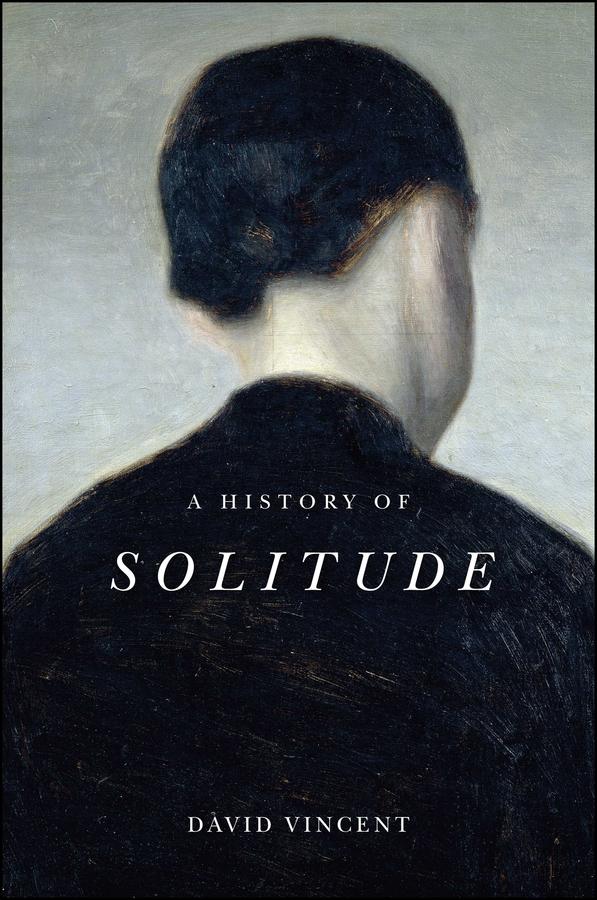
Drawing on a wide array of literary and historical sources, David Vincent explores how people have conducted themselves in the absence of company over the last three centuries. He argues that the ambivalent nature of solitude became a prominent concern in the modern era. For intellectuals in the romantic age, solitude gave respite to citizens living in ever more complex modern societies. But while the search for solitude was seen as a symptom of modern life, it was also viewed as a dangerous pathology: a perceived renunciation of the world, which could lead to psychological disorder and anti-social behaviour.
Vincent explores the successive attempts of religious authorities and political institutions to manage solitude, taking readers from the monastery to the prisoner’s cell, and explains how western society’s increasing secularism, urbanization and prosperity led to the development of new solitary pastimes at the same time as it made traditional forms of solitary communion, with God and with a pristine nature, impossible. At the dawn of the digital age, solitude has taken on new meanings, as physical isolation and intense sociability have become possible as never before. With the advent of a so-called loneliness epidemic, a proper historical understanding of the natural human desire to disengage from the world is more important than ever. The first full-length account of its subject, A History of Solitude will appeal to a wide general readership.
Before Memmo my notes were scattered across PDFs. Now a workspace pulls everything into one place — I see exactly what's still left to study.
Memmo's summaries are gold before exams. I don't have to re-read 800 pages two weeks before — just the important parts.
The AI chat has saved me the night before an exam more than once. I just keep asking until I get it — no waiting on a study group to reply.
The quizzes hit exactly what I need to know. Memmo tracks what I get stuck on — so I only practice what's worth it.
Flashcards with spaced repetition are magic. Memmo knows when I'm about to forget something and brings it back.
The AI podcasts are my favorite. I listen on my way to school and get a recap without sitting at a computer.

Handbok i kvalitativa metoder
281 kr

Hållbar utveckling: en introduktion för ingenjörer och andra problemlösare
334 kr

Brymans Samhällsvetenskapliga metoder
390 kr

Projektledning
491 kr

Den orättvisa hälsan: om socioekonomiska skillnader i hälsa och livslängd
326 kr

Vetenskapsteori för nybörjare
196 kr

Organizational Leadership
429 kr

På väg mot läraryrket
172 kr

Det sociala livet i skolan: Socialpsykologiska perspektiv
253 kr

Betygsättningens didaktik
151 kr

Personality
402 kr

Studying Leadership
404 kr

Managing Innovation
477 kr

Introduktion till samhällsvetenskaplig metod
347 kr

The Psychology of Sex and Gender
698 kr

Evidens och kunskap för socialt arbete
207 kr

Introduction to Leadership
605 kr