
Before Memmo my notes were scattered across PDFs. Now a workspace pulls everything into one place — I see exactly what's still left to study.
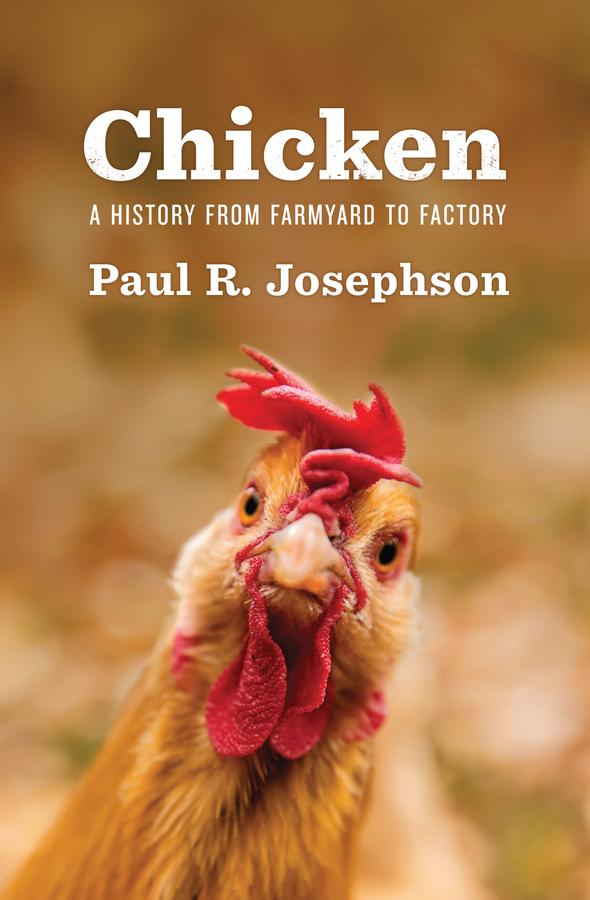
Why has the chicken become the meat par excellence, the most plentifully eaten and popular animal protein in the world, consumed from Beijing to Barcelona? As renowned historian Paul Josephson shows, the story of the chicken's rise involves a whole host of factors; from art, to nineteenth-century migration patterns to cold-war geopolitics. And whereas sheep needed too much space, or the cow was difficult to transport, these compact, lightweight birds produced relatively little waste, were easy to transport and could happily peck away in any urban back garden.
Josephson tells this story from all sides: the transformation of the chicken from backyard scratcher to hyper-efficient industrial meat-product has been achieved due to the skill of entrepreneurs who first recognized the possibilities of chicken meat and the gene scientists who bred the plumpest and most fertile birds. But it has also been forced through by ruthless capitalists and lobbyists for “big farmer”, at the expense of animal welfare and the environment. With no sign of our lust for chicken abating, we're now reaching a crisis point: billions of birds are slaughtered every year, after having lived lives that are nasty, brutish and short. The waste from these victims is polluting rivers and poisoning animals. We’re now plunging “egg-first” into environmental disaster.
Alongside this story Josephson tells another, of an animal with endearing characteristics who, arguably, can lay claim to being man’s best friend long before the dog reared its snout or the cat came in from the cold. Lionized in medieval romances and modern cartoons, the chicken’s relationship to humanity runs deep; by treating these animals as mere food products, we become less than human.
Before Memmo my notes were scattered across PDFs. Now a workspace pulls everything into one place — I see exactly what's still left to study.
Memmo's summaries are gold before exams. I don't have to re-read 800 pages two weeks before — just the important parts.
The AI chat has saved me the night before an exam more than once. I just keep asking until I get it — no waiting on a study group to reply.
The quizzes hit exactly what I need to know. Memmo tracks what I get stuck on — so I only practice what's worth it.
Flashcards with spaced repetition are magic. Memmo knows when I'm about to forget something and brings it back.
The AI podcasts are my favorite. I listen on my way to school and get a recap without sitting at a computer.

Handbok i kvalitativa metoder
281 kr

Hållbar utveckling: en introduktion för ingenjörer och andra problemlösare
334 kr

Brymans Samhällsvetenskapliga metoder
390 kr

Projektledning
491 kr

Den orättvisa hälsan: om socioekonomiska skillnader i hälsa och livslängd
326 kr

Organizational Leadership
429 kr

Vetenskapsteori för nybörjare
196 kr

På väg mot läraryrket
172 kr

Det sociala livet i skolan: Socialpsykologiska perspektiv
253 kr

Betygsättningens didaktik
151 kr

Personality
402 kr

Studying Leadership
404 kr

Managing Innovation
477 kr

Introduktion till samhällsvetenskaplig metod
347 kr

The Psychology of Sex and Gender
698 kr

Evidens och kunskap för socialt arbete
207 kr

Introduction to Leadership
605 kr