
Before Memmo my notes were scattered across PDFs. Now a workspace pulls everything into one place — I see exactly what's still left to study.
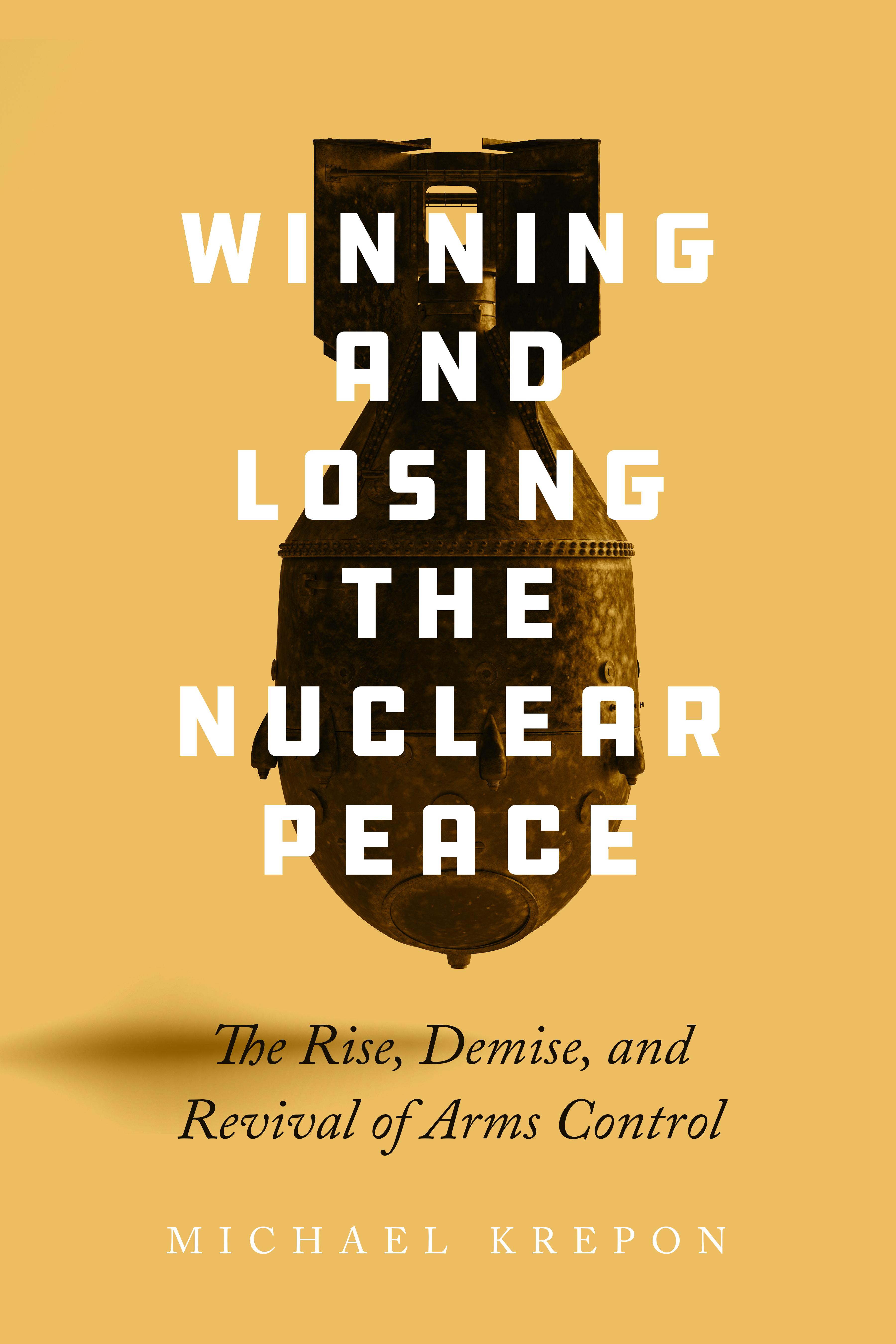
The definitive guide to the history of nuclear arms control by a wise eavesdropper and masterful storyteller, Michael Krepon.
The greatest unacknowledged diplomatic achievement of the Cold War was the absence of mushroom clouds. Deterrence alone was too dangerous to succeed; it needed arms control to prevent nuclear warfare. So, U.S. and Soviet leaders ventured into the unknown to devise guardrails for nuclear arms control and to treat the Bomb differently than other weapons. Against the odds, they succeeded. Nuclear weapons have not been used in warfare for three quarters of a century. This book is the first in-depth history of how the nuclear peace was won by complementing deterrence with reassurance, and then jeopardized by discarding arms control after the Cold War ended.
Winning and Losing the Nuclear Peace tells a remarkable story of high-wire acts of diplomacy, close calls, dogged persistence, and extraordinary success. Michael Krepon brings to life the pitched battles between arms controllers and advocates of nuclear deterrence, the ironic twists and unexpected outcomes from Truman to Trump. What began with a ban on atmospheric testing and a nonproliferation treaty reached its apogee with treaties that mandated deep cuts and corralled "loose nukes" after the Soviet Union imploded.
After the Cold War ended, much of this diplomatic accomplishment was cast aside in favor of freedom of action. The nuclear peace is now imperiled by no less than four nuclear-armed rivalries. Arms control needs to be revived and reimagined for Russia and China to prevent nuclear warfare. New guardrails have to be erected. Winning and Losing the Nuclear Peace is an engaging account of how the practice of arms control was built from scratch, how it was torn down, and how it can be rebuilt.
Before Memmo my notes were scattered across PDFs. Now a workspace pulls everything into one place — I see exactly what's still left to study.
Memmo's summaries are gold before exams. I don't have to re-read 800 pages two weeks before — just the important parts.
The AI chat has saved me the night before an exam more than once. I just keep asking until I get it — no waiting on a study group to reply.
The quizzes hit exactly what I need to know. Memmo tracks what I get stuck on — so I only practice what's worth it.
Flashcards with spaced repetition are magic. Memmo knows when I'm about to forget something and brings it back.
The AI podcasts are my favorite. I listen on my way to school and get a recap without sitting at a computer.

Handbok i kvalitativa metoder
281 kr

Hållbar utveckling: en introduktion för ingenjörer och andra problemlösare
334 kr

Brymans Samhällsvetenskapliga metoder
390 kr

Projektledning
491 kr

Den orättvisa hälsan: om socioekonomiska skillnader i hälsa och livslängd
326 kr

Vetenskapsteori för nybörjare
196 kr

Organizational Leadership
429 kr

På väg mot läraryrket
172 kr

Det sociala livet i skolan: Socialpsykologiska perspektiv
253 kr

Betygsättningens didaktik
151 kr

Personality
402 kr

Studying Leadership
404 kr

Managing Innovation
477 kr

Introduktion till samhällsvetenskaplig metod
347 kr

The Psychology of Sex and Gender
698 kr

Evidens och kunskap för socialt arbete
207 kr

Introduction to Leadership
605 kr