
Before Memmo my notes were scattered across PDFs. Now a workspace pulls everything into one place — I see exactly what's still left to study.
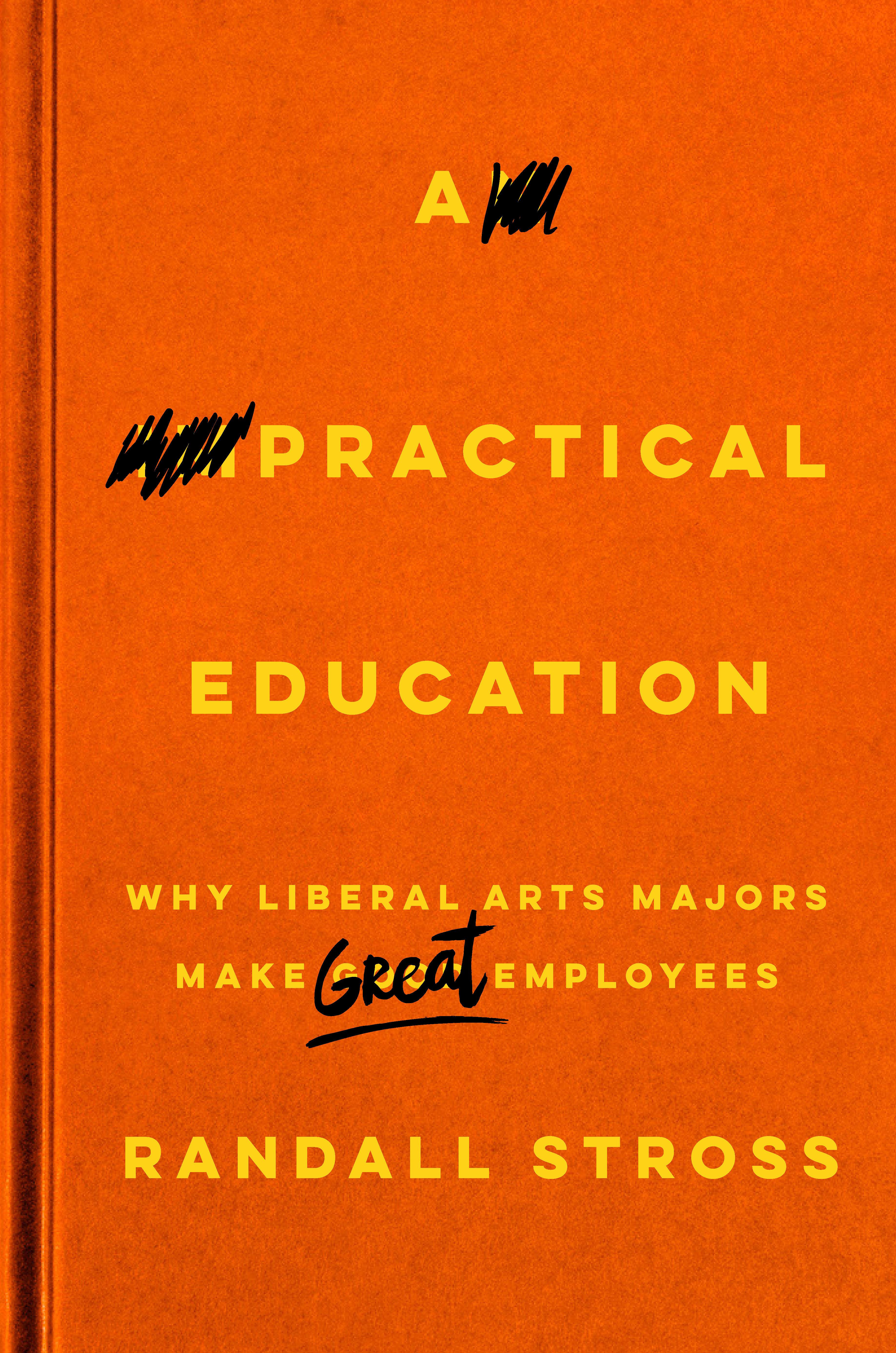
The liberal arts major is often lampooned: lacking in "skills," unqualified for a professional career, underemployed. But studying for the joy of learning turns out to be surprisingly practical. Unlike career-focused education, liberal education prepares graduates for anything and everything—and nervous "fuzzy major" students, their even more nervous parents, college career center professionals, and prospective employers would do well to embrace liberal arts majors. Just look to Silicon Valley, of all places, to see that liberal arts majors can succeed not in spite of, but because of, their education.
A Practical Education investigates the real-world experiences of graduates with humanities majors, the majors that would seem the least employable in Silicon Valley's engineering-centric workplaces. Drawing on the experiences of Stanford University graduates and using the students' own accounts of their education, job searches, and first work experiences, Randall Stross provides heartening demonstrations of how multi-capable liberal arts graduates are. When given a first opportunity, these majors thrive in work roles that no one would have predicted.
Stross also weaves the students' stories with the history of Stanford, the rise of professional schools, the longstanding contention between engineering and the liberal arts, the birth of occupational testing, and the popularity of computer science education to trace the evolution in thinking about how to prepare students for professional futures. His unique blend of present and past produces a provocative exploration of how best to utilize the undergraduate years.
At a time when institutions of higher learning are increasingly called on to justify the tangible merits of the liberal arts, A Practical Education reminds readers that the most useful training for an unknowable future is the universal, time-tested preparation of a liberal education.
Before Memmo my notes were scattered across PDFs. Now a workspace pulls everything into one place — I see exactly what's still left to study.
Memmo's summaries are gold before exams. I don't have to re-read 800 pages two weeks before — just the important parts.
The AI chat has saved me the night before an exam more than once. I just keep asking until I get it — no waiting on a study group to reply.
The quizzes hit exactly what I need to know. Memmo tracks what I get stuck on — so I only practice what's worth it.
Flashcards with spaced repetition are magic. Memmo knows when I'm about to forget something and brings it back.
The AI podcasts are my favorite. I listen on my way to school and get a recap without sitting at a computer.

Handbok i kvalitativa metoder
281 kr

Hållbar utveckling: en introduktion för ingenjörer och andra problemlösare
334 kr

Brymans Samhällsvetenskapliga metoder
390 kr

Projektledning
491 kr

Den orättvisa hälsan: om socioekonomiska skillnader i hälsa och livslängd
326 kr

Organizational Leadership
429 kr

Vetenskapsteori för nybörjare
196 kr

På väg mot läraryrket
172 kr

Det sociala livet i skolan: Socialpsykologiska perspektiv
253 kr

Betygsättningens didaktik
151 kr

Personality
402 kr

Studying Leadership
404 kr

Managing Innovation
477 kr

Introduktion till samhällsvetenskaplig metod
347 kr

The Psychology of Sex and Gender
698 kr

Evidens och kunskap för socialt arbete
207 kr

Introduction to Leadership
605 kr