
Before Memmo my notes were scattered across PDFs. Now a workspace pulls everything into one place — I see exactly what's still left to study.
Sand Creek.
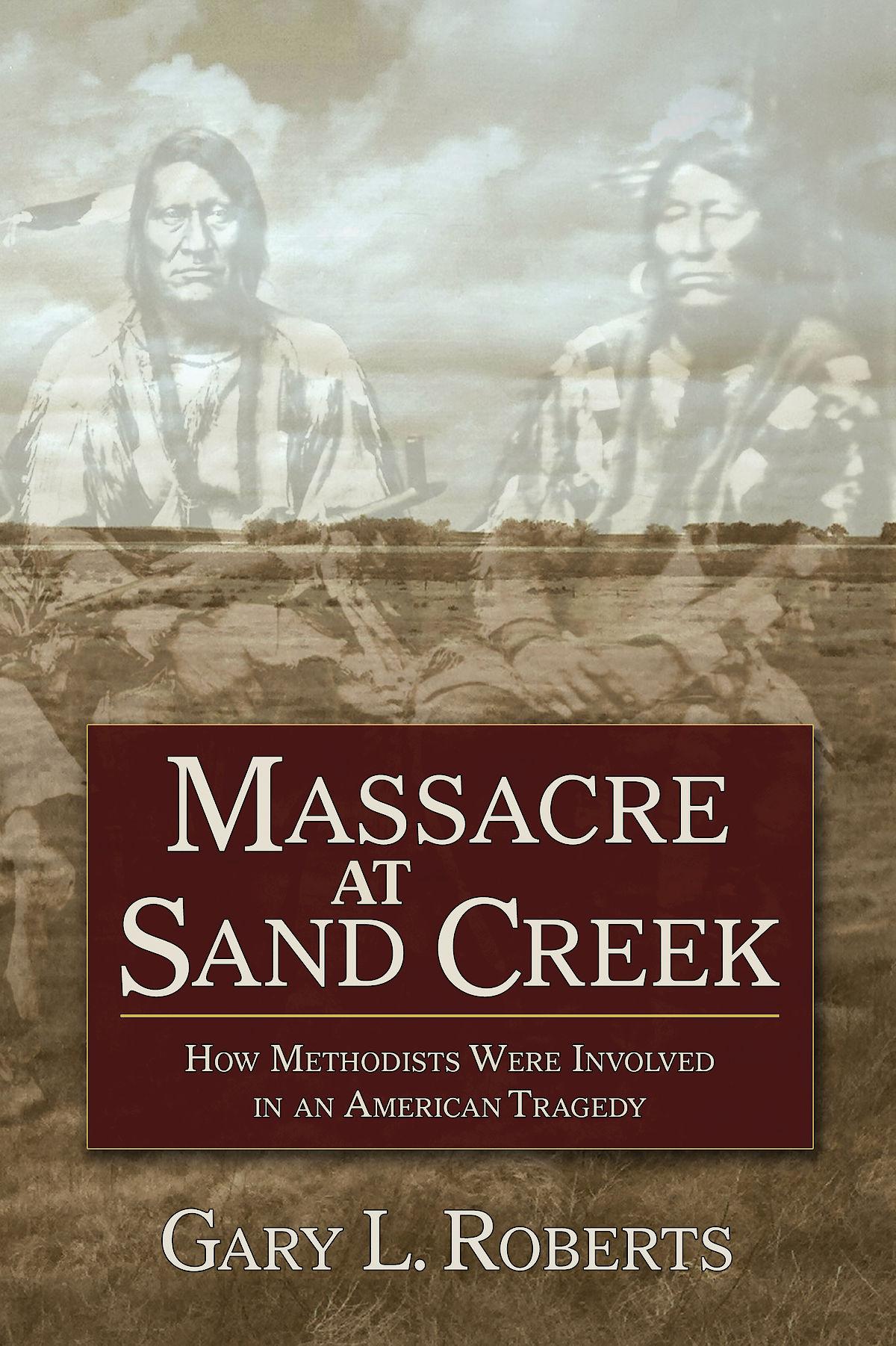
At dawn on the morning of November 29, 1864, Colonel John Milton Chivington gave the command that led to slaughter of 230 peaceful Cheyennes and Arapahos—primarily women, children, and elderly—camped under the protection of the U. S. government along Sand Creek in Colorado Territory and flying both an American flag and a white flag.
The Sand Creek massacre seized national attention in the winter of 1864-1865 and generated a controversy that still excites heated debate more than 150 years later. At Sand Creek demoniac forces seemed unloosed so completely that humanity itself was the casualty. That was the charge that drew public attention to the Colorado frontier in 1865. That was the claim that spawned heated debate in Congress, two congressional hearings, and a military commission. Westerners vociferously and passionately denied the accusations. Reformers seized the charges as evidence of the failure of American Indian policy. Sand Creek launched a war that was not truly over for fifteen years. In the first year alone, it cost the United States government $50,000,000.
Methodists have a special stake in this story. The governor whose polices led the Cheyennes and Arapahos to Sand Creek was a prominent Methodist layman. Colonel Chivington was a Methodist minister. Perhaps those were merely coincidences, but the question also remains of how the Methodist Episcopal Church itself responded to the massacre. Was it also somehow culpable in what happened?
It is time for this story to be told. Coming to grips with what happened at Sand Creek involves hard questions and unsatisfactory answers not only about what happened but also about what led to it and why. It stirs ancient questions about the best and worst in every person, questions older than history, questions as relevant as today’s headlines, questions we all must answer from within.
Before Memmo my notes were scattered across PDFs. Now a workspace pulls everything into one place — I see exactly what's still left to study.
Memmo's summaries are gold before exams. I don't have to re-read 800 pages two weeks before — just the important parts.
The AI chat has saved me the night before an exam more than once. I just keep asking until I get it — no waiting on a study group to reply.
The quizzes hit exactly what I need to know. Memmo tracks what I get stuck on — so I only practice what's worth it.
Flashcards with spaced repetition are magic. Memmo knows when I'm about to forget something and brings it back.
The AI podcasts are my favorite. I listen on my way to school and get a recap without sitting at a computer.

Handbok i kvalitativa metoder
281 kr

Hållbar utveckling: en introduktion för ingenjörer och andra problemlösare
334 kr

Brymans Samhällsvetenskapliga metoder
390 kr

Projektledning
491 kr

Den orättvisa hälsan: om socioekonomiska skillnader i hälsa och livslängd
326 kr

Vetenskapsteori för nybörjare
196 kr

Organizational Leadership
429 kr

På väg mot läraryrket
172 kr

Det sociala livet i skolan: Socialpsykologiska perspektiv
253 kr

Betygsättningens didaktik
151 kr

Personality
402 kr

Studying Leadership
404 kr

Managing Innovation
477 kr

Introduktion till samhällsvetenskaplig metod
347 kr

The Psychology of Sex and Gender
698 kr

Evidens och kunskap för socialt arbete
207 kr

Introduction to Leadership
605 kr