
Before Memmo my notes were scattered across PDFs. Now a workspace pulls everything into one place — I see exactly what's still left to study.
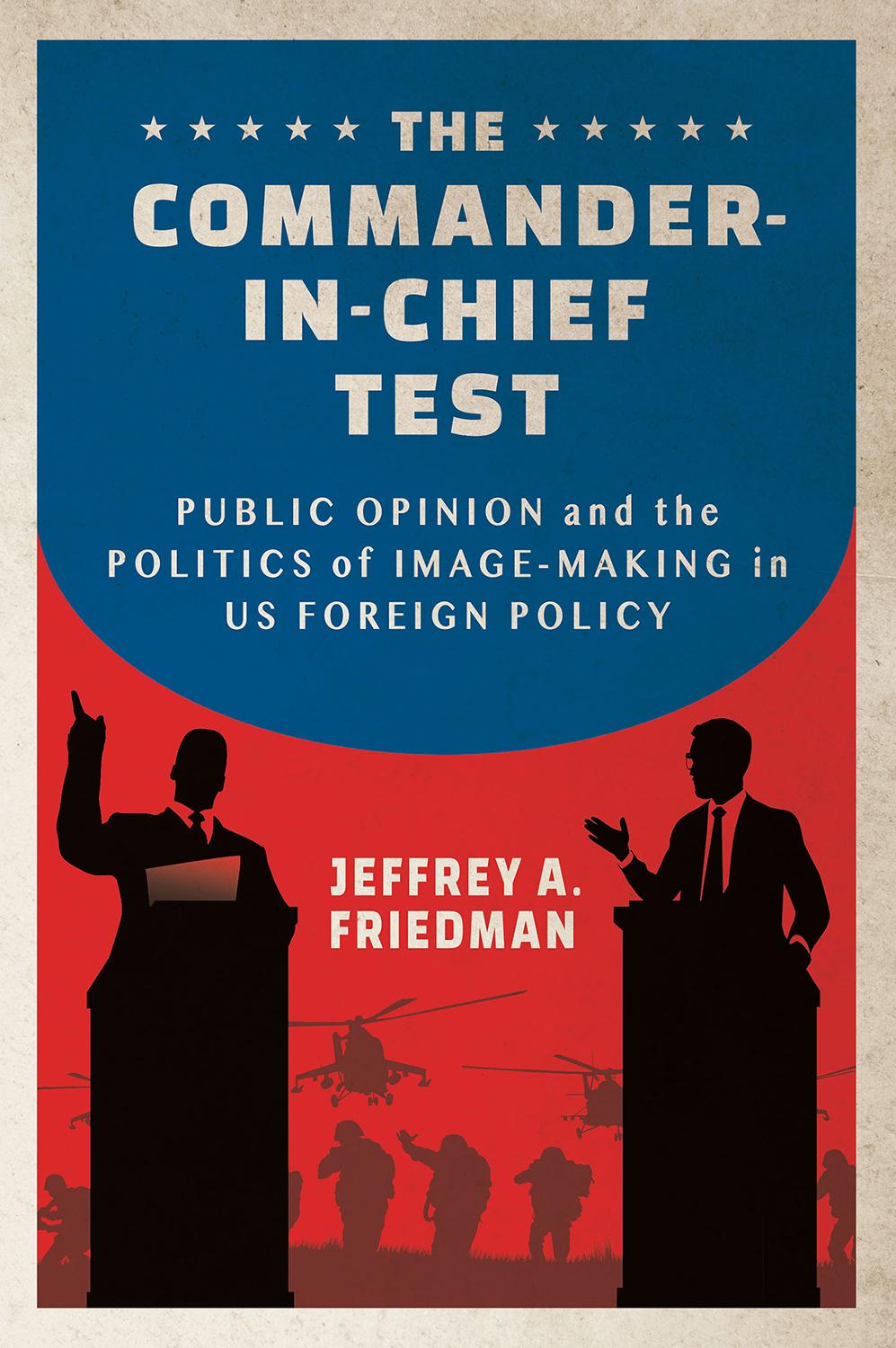
In The Commander-in-Chief Test, Jeffrey A. Friedman offers a fresh explanation for why Americans are often frustrated by the cost and scope of US foreign policy—and how we can fix that for the future.
Americans frequently criticize US foreign policy for being overly costly and excessively militaristic. With its rising defense budgets and open-ended "forever wars," US foreign policy often appears disconnected from public opinion, reflecting the views of elites and special interests rather than the attitudes of ordinary citizens.
The Commander-in-Chief Test argues that this conventional wisdom underestimates the role public opinion plays in shaping foreign policy. Voters may prefer to elect leaders who share their policy views, but they prioritize selecting presidents who seem to have the right personal attributes to be an effective commander in chief. Leaders then use hawkish foreign policies as tools for showing that they are tough enough to defend America's interests on the international stage. This link between leaders' policy positions and their personal images steers US foreign policy in directions that are more hawkish than what voters actually want.
Combining polling data with survey experiments and original archival research on cases from the Vietnam War through the occupations of Iraq and Afghanistan, Friedman demonstrates that public opinion plays a surprisingly extensive—and often problematic—role in shaping US international behavior. With the commander-in-chief test, a perennial point of debate in national elections, Friedman's insights offer important lessons on how the politics of image-making impacts foreign policy and how the public should choose its president.
Before Memmo my notes were scattered across PDFs. Now a workspace pulls everything into one place — I see exactly what's still left to study.
Memmo's summaries are gold before exams. I don't have to re-read 800 pages two weeks before — just the important parts.
The AI chat has saved me the night before an exam more than once. I just keep asking until I get it — no waiting on a study group to reply.
The quizzes hit exactly what I need to know. Memmo tracks what I get stuck on — so I only practice what's worth it.
Flashcards with spaced repetition are magic. Memmo knows when I'm about to forget something and brings it back.
The AI podcasts are my favorite. I listen on my way to school and get a recap without sitting at a computer.

Handbok i kvalitativa metoder
281 kr

Hållbar utveckling: en introduktion för ingenjörer och andra problemlösare
334 kr

Brymans Samhällsvetenskapliga metoder
390 kr

Projektledning
491 kr

Den orättvisa hälsan: om socioekonomiska skillnader i hälsa och livslängd
326 kr

Organizational Leadership
429 kr

Vetenskapsteori för nybörjare
196 kr

På väg mot läraryrket
172 kr

Det sociala livet i skolan: Socialpsykologiska perspektiv
253 kr

Betygsättningens didaktik
151 kr

Personality
402 kr

Studying Leadership
404 kr

Managing Innovation
477 kr

Introduktion till samhällsvetenskaplig metod
347 kr

The Psychology of Sex and Gender
698 kr

Evidens och kunskap för socialt arbete
207 kr

Introduction to Leadership
605 kr