
Before Memmo my notes were scattered across PDFs. Now a workspace pulls everything into one place — I see exactly what's still left to study.
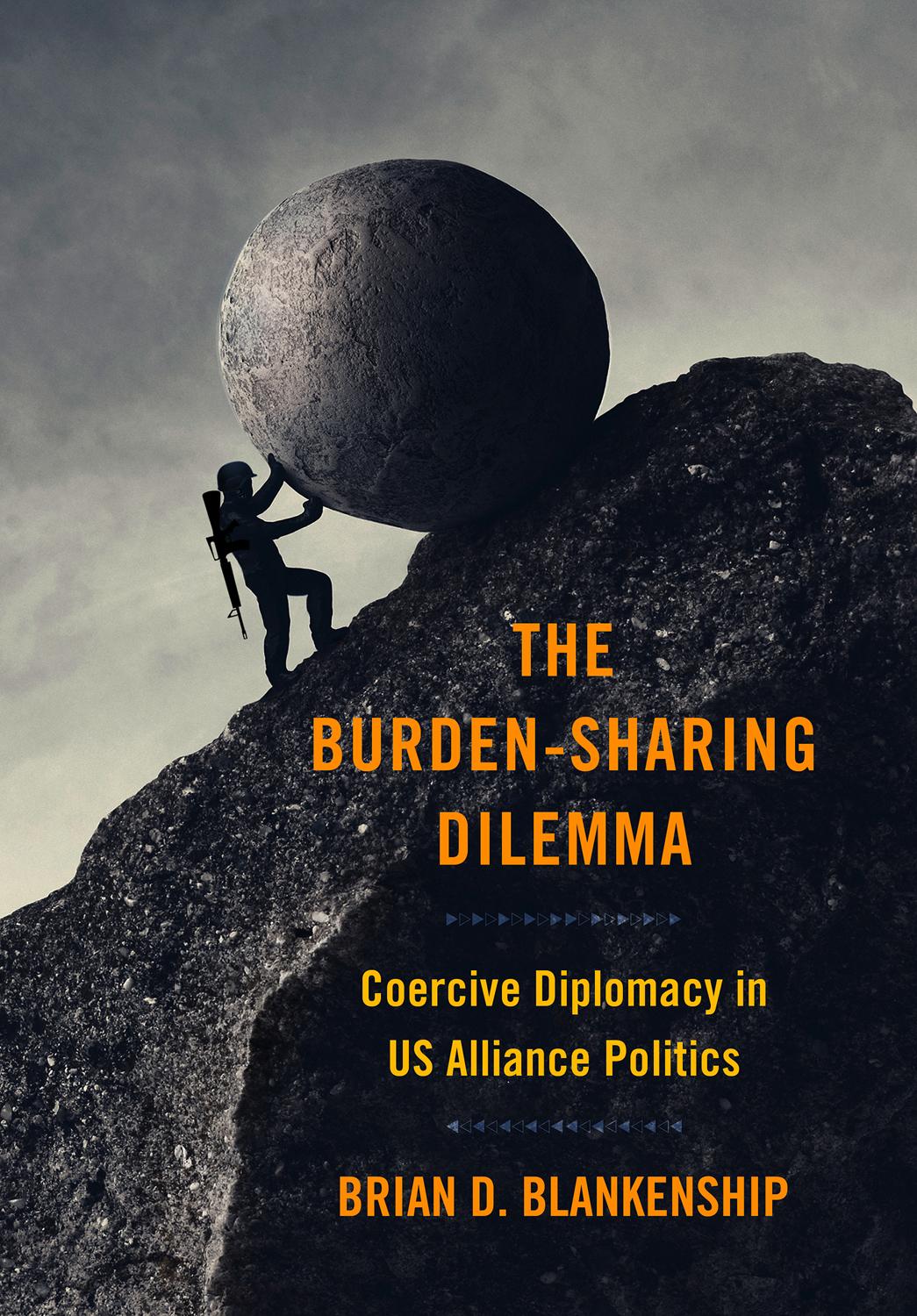
The Burden-Sharing Dilemma examines the conditions under which the United States is willing and able to pressure its allies to assume more responsibility for their own defense. The United States has a mixed track record of encouraging allied burden-sharing—while it has succeeded or failed in some cases, it has declined to do so at all in others. This variation, Brian D. Blankenship argues, is because the United States tailors its burden-sharing pressure in accordance with two competing priorities: conserving its own resources and preserving influence in its alliances. Although burden-sharing enables great power patrons like the United States to lower alliance costs, it also empowers allies to resist patron influence.
Blankenship identifies three factors that determine the severity of this burden-sharing dilemma and how it is managed: the latent military power of allies, the shared external threat environment, and the level of a patron's resource constraints. Through case studies of US alliances formed during the Cold War, he shows that a patron can mitigate the dilemma by combining assurances of protection with threats of abandonment and by exercising discretion in its burden-sharing pressure.
Blankenship's findings dismantle assumptions that burden-sharing is always desirable but difficult to obtain. Patrons, as the book reveals, can in fact be reluctant to seek burden-sharing, and attempts to pass defense costs to allies can often be successful. At a time when skepticism of alliance benefits remains high and global power shifts threaten longstanding pacts, The Burden-Sharing Dilemma recalls and reconceives the value of burden-sharing and alliances.
Before Memmo my notes were scattered across PDFs. Now a workspace pulls everything into one place — I see exactly what's still left to study.
Memmo's summaries are gold before exams. I don't have to re-read 800 pages two weeks before — just the important parts.
The AI chat has saved me the night before an exam more than once. I just keep asking until I get it — no waiting on a study group to reply.
The quizzes hit exactly what I need to know. Memmo tracks what I get stuck on — so I only practice what's worth it.
Flashcards with spaced repetition are magic. Memmo knows when I'm about to forget something and brings it back.
The AI podcasts are my favorite. I listen on my way to school and get a recap without sitting at a computer.

Handbok i kvalitativa metoder
281 kr

Hållbar utveckling: en introduktion för ingenjörer och andra problemlösare
334 kr

Brymans Samhällsvetenskapliga metoder
390 kr

Projektledning
491 kr

Den orättvisa hälsan: om socioekonomiska skillnader i hälsa och livslängd
326 kr

Organizational Leadership
429 kr

Vetenskapsteori för nybörjare
196 kr

På väg mot läraryrket
172 kr

Det sociala livet i skolan: Socialpsykologiska perspektiv
253 kr

Betygsättningens didaktik
151 kr

Personality
402 kr

Studying Leadership
404 kr

Managing Innovation
477 kr

Introduktion till samhällsvetenskaplig metod
347 kr

The Psychology of Sex and Gender
698 kr

Evidens och kunskap för socialt arbete
207 kr

Introduction to Leadership
605 kr