
Before Memmo my notes were scattered across PDFs. Now a workspace pulls everything into one place — I see exactly what's still left to study.
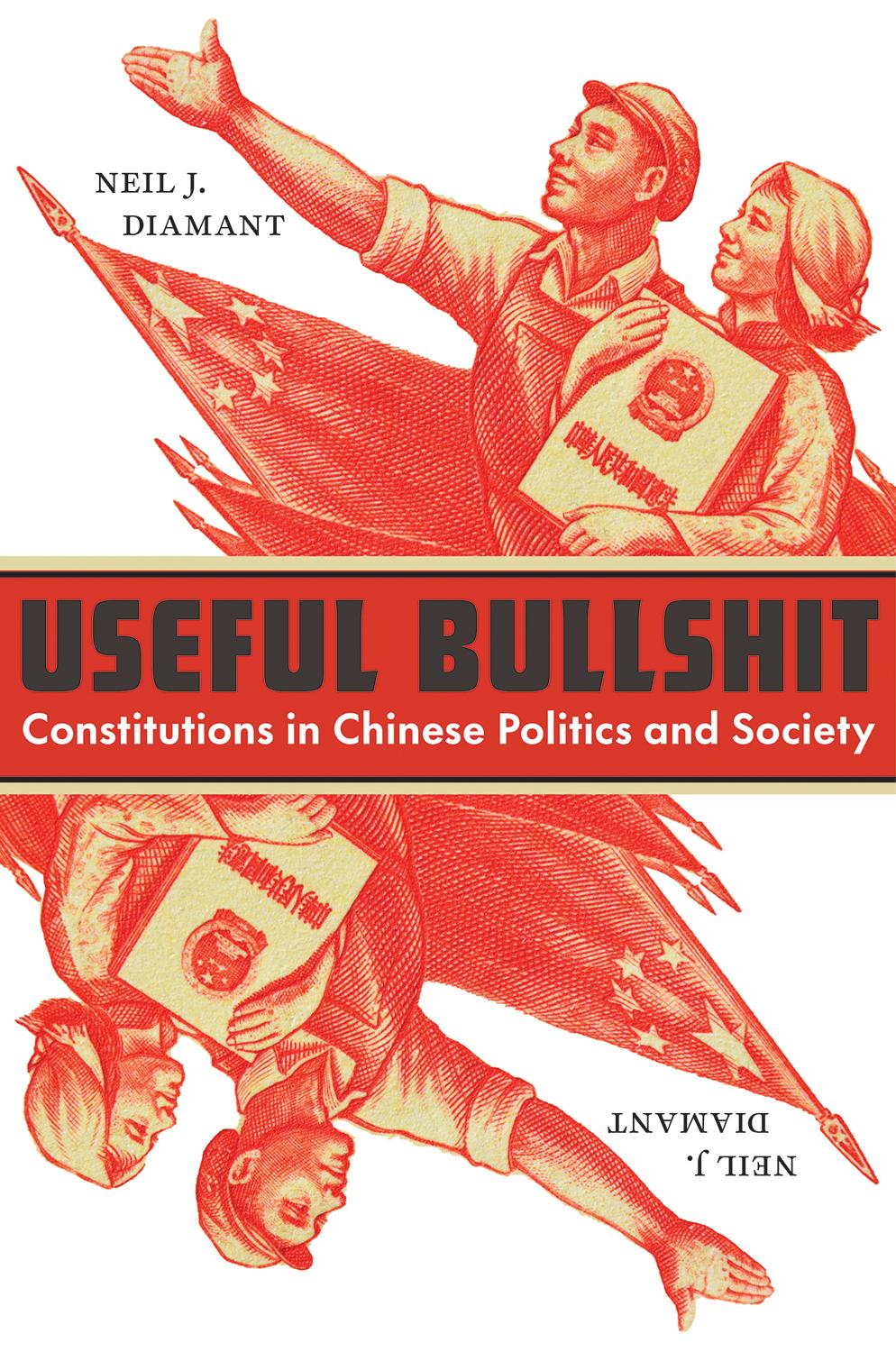
In Useful Bullshit Neil J. Diamant pulls back the curtain on early constitutional conversations between citizens and officials in the PRC. Scholars have argued that China, like the former USSR, promulgated constitutions to enhance its domestic and international legitimacy by opening up the constitution-making process to ordinary people, and by granting its citizens political and socioeconomic rights. But what did ordinary officials and people say about their constitutions and rights? Did constitutions contribute to state legitimacy?
Over the course of four decades, the PRC government encouraged millions of citizens to pose questions about, and suggest revisions to, the draft of a new constitution. Seizing this opportunity, people asked both straightforward questions like "what is a state?", but also others that, through implication, harshly criticized the document and the government that sponsored it. They pressed officials to clarify the meaning of words, phrases, and ideas in the constitution, proposing numerous revisions. Despite many considering the document "bullshit," successive PRC governments have promulgated it, amending the constitution, debating it at length, and even inaugurating a "Constitution Day."
Drawing upon a wealth of archival sources from the Maoist and reform eras, Diamant deals with all facets of this constitutional discussion, as well as its afterlives in the late '50s, the Cultural Revolution, and the post-Mao era. Useful Bullshit illuminates how the Chinese government understands and makes use of the constitution as a political document, and how a vast array of citizens—police, workers, university students, women, and members of different ethnic and religious groups—have responded.
Before Memmo my notes were scattered across PDFs. Now a workspace pulls everything into one place — I see exactly what's still left to study.
Memmo's summaries are gold before exams. I don't have to re-read 800 pages two weeks before — just the important parts.
The AI chat has saved me the night before an exam more than once. I just keep asking until I get it — no waiting on a study group to reply.
The quizzes hit exactly what I need to know. Memmo tracks what I get stuck on — so I only practice what's worth it.
Flashcards with spaced repetition are magic. Memmo knows when I'm about to forget something and brings it back.
The AI podcasts are my favorite. I listen on my way to school and get a recap without sitting at a computer.

Handbok i kvalitativa metoder
281 kr

Hållbar utveckling: en introduktion för ingenjörer och andra problemlösare
334 kr

Brymans Samhällsvetenskapliga metoder
390 kr

Projektledning
491 kr

Den orättvisa hälsan: om socioekonomiska skillnader i hälsa och livslängd
326 kr

Vetenskapsteori för nybörjare
196 kr

Organizational Leadership
429 kr

På väg mot läraryrket
172 kr

Det sociala livet i skolan: Socialpsykologiska perspektiv
253 kr

Betygsättningens didaktik
151 kr

Personality
402 kr

Studying Leadership
404 kr

Managing Innovation
477 kr

Introduktion till samhällsvetenskaplig metod
347 kr

The Psychology of Sex and Gender
698 kr

Evidens och kunskap för socialt arbete
207 kr

Introduction to Leadership
605 kr