
Before Memmo my notes were scattered across PDFs. Now a workspace pulls everything into one place — I see exactly what's still left to study.
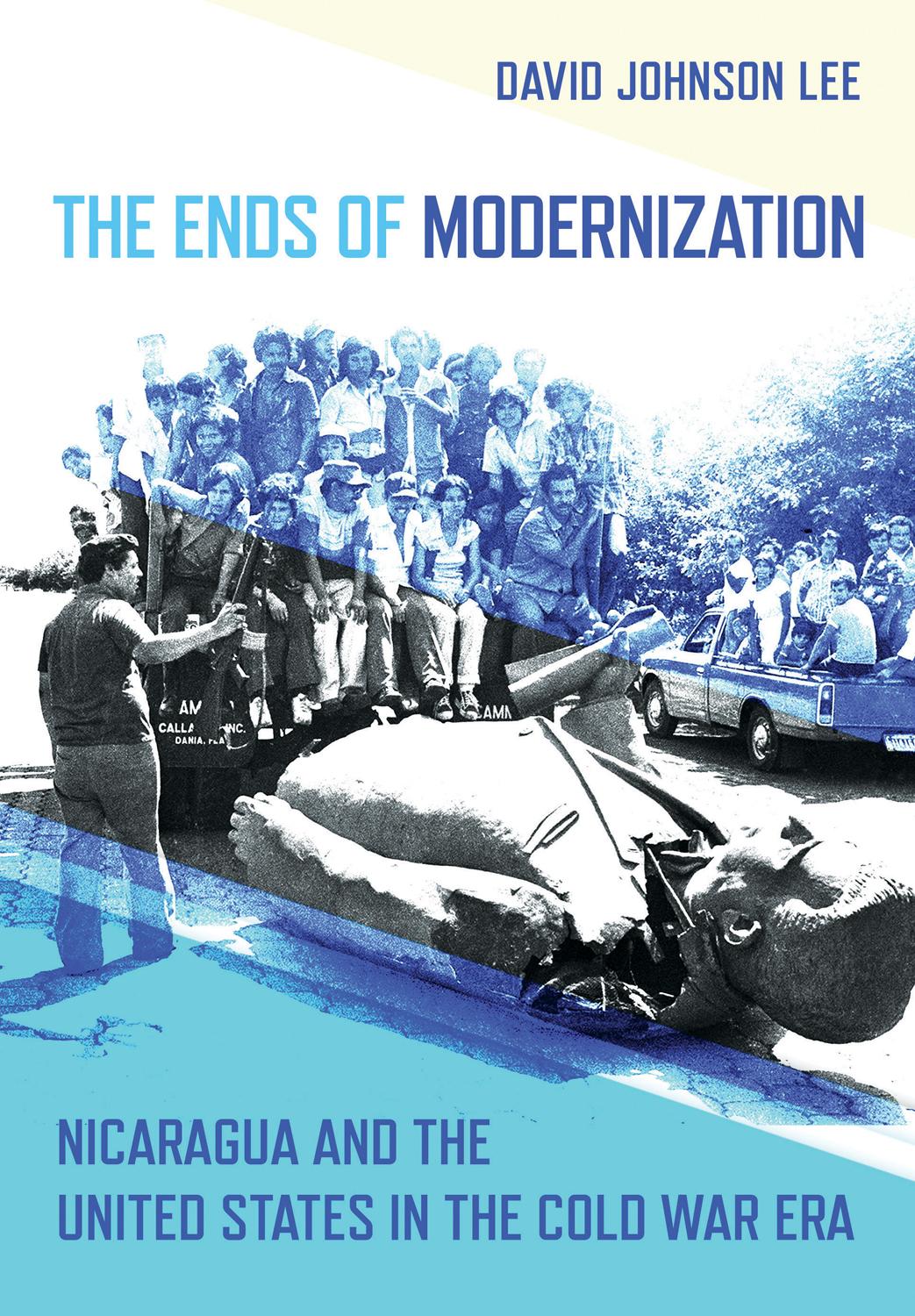
The Ends of Modernization studies the relations between Nicaragua and the United States in the crucial years during and after the Cold War. David Johnson Lee charts the transformation of the ideals of modernization, national autonomy, and planned development as they gave way to human rights protection, neoliberalism, and sustainability. Using archival material, newspapers, literature, and interviews with historical actors in countries across Latin America, the United States, and Europe, Lee demonstrates how conflict between the United States and Nicaragua shaped larger international development policy and transformed the Cold War.
In Nicaragua, the backlash to modernization took the form of the Sandinista Revolution which ousted President Anastasio Somoza Debayle in July 1979. In the wake of the earlier reconstruction of Managua after the devastating 1972 earthquake and instigated by the revolutionary shift of power in the city, the Sandinista Revolution incited radical changes that challenged the frankly ideological and economic motivations of modernization. In response to threats to its ideological dominance regionally and globally, the United States began to promote new paradigms of development built around human rights, entrepreneurial internationalism, indigenous rights, and sustainable development.
Lee traces the ways Nicaraguans made their country central to the contest over development ideals beginning in the 1960s, transforming how political and economic development were imagined worldwide. By illustrating how ideas about ecology and sustainable development became linked to geopolitical conflict during and after the Cold War, The Ends of Modernization provides a history of the late Cold War that connects the contest between the two then-prevailing superpowers to trends that shape our present, globalized, multipolar world.
Before Memmo my notes were scattered across PDFs. Now a workspace pulls everything into one place — I see exactly what's still left to study.
Memmo's summaries are gold before exams. I don't have to re-read 800 pages two weeks before — just the important parts.
The AI chat has saved me the night before an exam more than once. I just keep asking until I get it — no waiting on a study group to reply.
The quizzes hit exactly what I need to know. Memmo tracks what I get stuck on — so I only practice what's worth it.
Flashcards with spaced repetition are magic. Memmo knows when I'm about to forget something and brings it back.
The AI podcasts are my favorite. I listen on my way to school and get a recap without sitting at a computer.

Handbok i kvalitativa metoder
281 kr

Hållbar utveckling: en introduktion för ingenjörer och andra problemlösare
334 kr

Brymans Samhällsvetenskapliga metoder
390 kr

Projektledning
491 kr

Den orättvisa hälsan: om socioekonomiska skillnader i hälsa och livslängd
326 kr

Organizational Leadership
429 kr

Vetenskapsteori för nybörjare
196 kr

På väg mot läraryrket
172 kr

Det sociala livet i skolan: Socialpsykologiska perspektiv
253 kr

Betygsättningens didaktik
151 kr

Personality
402 kr

Studying Leadership
404 kr

Managing Innovation
477 kr

Introduktion till samhällsvetenskaplig metod
347 kr

The Psychology of Sex and Gender
698 kr

Evidens och kunskap för socialt arbete
207 kr

Introduction to Leadership
605 kr