
Before Memmo my notes were scattered across PDFs. Now a workspace pulls everything into one place — I see exactly what's still left to study.
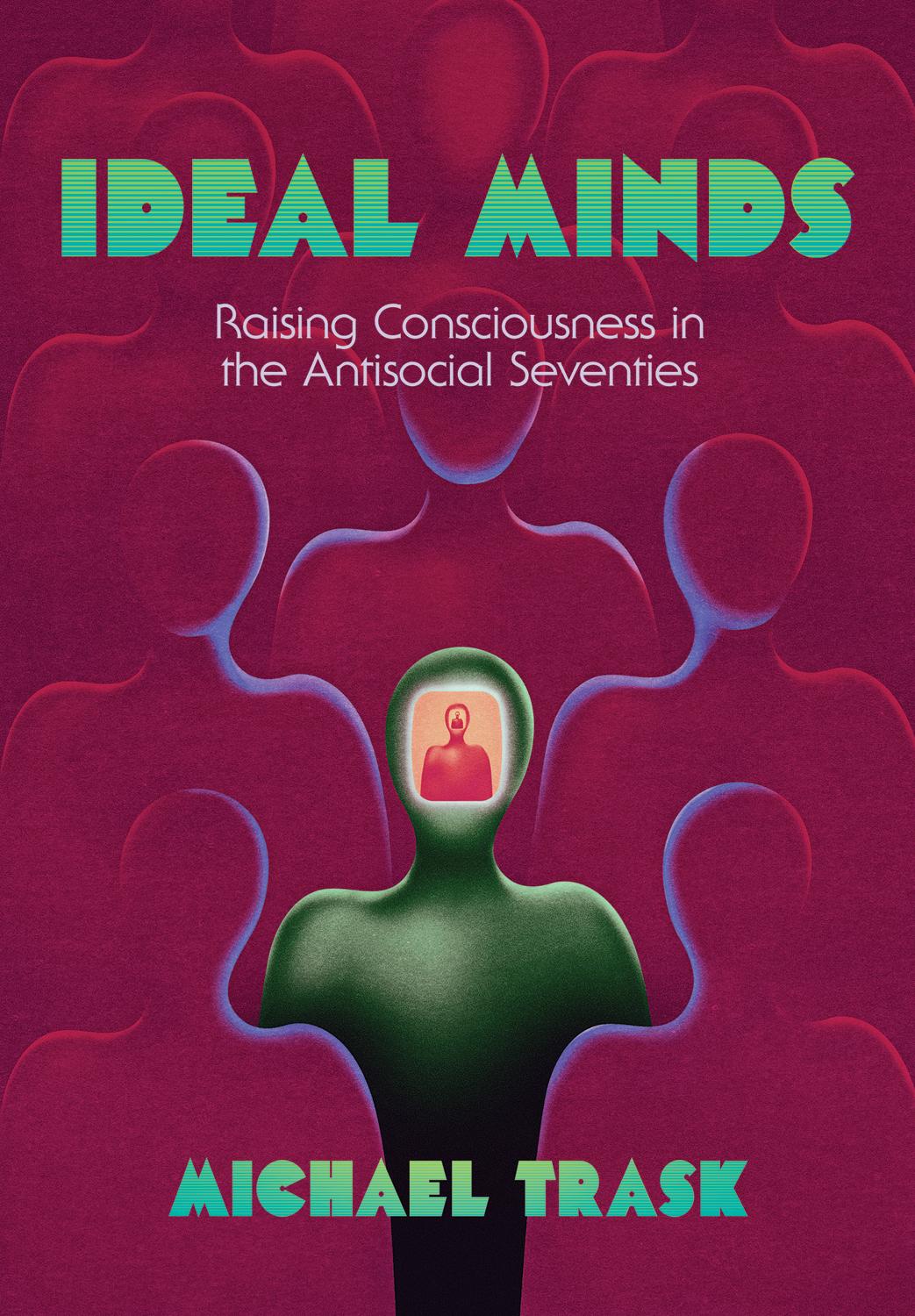
Following the 1960s, that decade's focus on consciousness-raising transformed into an array of intellectual projects far afield of movement politics. The mind's powers came to preoccupy a range of thinkers and writers: ethicists pursuing contractual theories of justice, radical ecologists interested in the paleolithic brain, seventies cultists, and the devout of both evangelical and New Age persuasions. In Ideal Minds, Michael Trask presents a boldly revisionist argument about the revival of subjectivity in postmodern American culture, connecting familiar figures within the seventies intellectual landscape who share a commitment to what he calls "neo-idealism" as a weapon in the struggle against discredited materialist and behaviorist worldviews.
In a heterodox intellectual and literary history of the 1970s, Ideal Minds mixes ideas from cognitive science, philosophy of mind, moral philosophy, deep ecology, political theory, science fiction, neoclassical economics, and the sociology of religion. Trask also delves into the decade's more esoteric branches of learning, including Scientology, anarchist theory, rapture prophesies, psychic channeling, and neo-Malthusianism. Through this investigation, Trask argues that a dramatic inflation in the value of consciousness and autonomy beginning in the 1970s accompanied a growing argument about the state's inability to safeguard such values. Ultimately, the thinkers Trask analyzes—John Rawls, Arne Naess, L. Ron Hubbard, Hal Lindsey, Philip Dick, Ursula Le Guin, Edward Abbey, William Burroughs, John Irving, and James Merrill—found alternatives to statism in conditions that would lend intellectual support to the consolidation of these concepts in the radical free market ideologies of the 1980s.
Before Memmo my notes were scattered across PDFs. Now a workspace pulls everything into one place — I see exactly what's still left to study.
Memmo's summaries are gold before exams. I don't have to re-read 800 pages two weeks before — just the important parts.
The AI chat has saved me the night before an exam more than once. I just keep asking until I get it — no waiting on a study group to reply.
The quizzes hit exactly what I need to know. Memmo tracks what I get stuck on — so I only practice what's worth it.
Flashcards with spaced repetition are magic. Memmo knows when I'm about to forget something and brings it back.
The AI podcasts are my favorite. I listen on my way to school and get a recap without sitting at a computer.

Handbok i kvalitativa metoder
281 kr

Hållbar utveckling: en introduktion för ingenjörer och andra problemlösare
334 kr

Brymans Samhällsvetenskapliga metoder
390 kr

Projektledning
491 kr

Den orättvisa hälsan: om socioekonomiska skillnader i hälsa och livslängd
326 kr

Organizational Leadership
429 kr

Vetenskapsteori för nybörjare
196 kr

På väg mot läraryrket
172 kr

Det sociala livet i skolan: Socialpsykologiska perspektiv
253 kr

Betygsättningens didaktik
151 kr

Personality
402 kr

Studying Leadership
404 kr

Managing Innovation
477 kr

Introduktion till samhällsvetenskaplig metod
347 kr

The Psychology of Sex and Gender
698 kr

Evidens och kunskap för socialt arbete
207 kr

Introduction to Leadership
605 kr