
Before Memmo my notes were scattered across PDFs. Now a workspace pulls everything into one place — I see exactly what's still left to study.
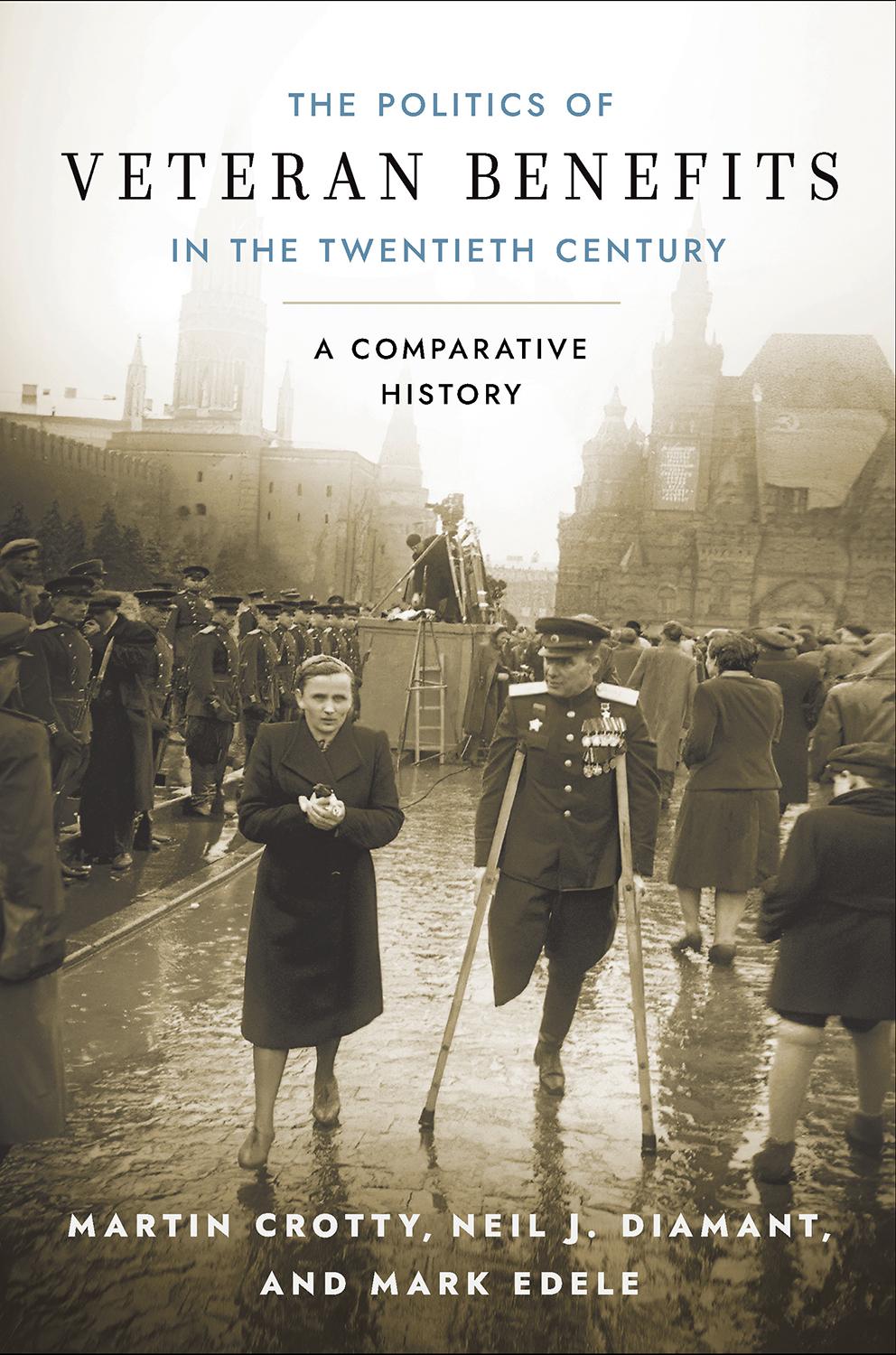
What happened to veterans of the nations involved in the world wars? How did they fare when they returned home and needed benefits? How were they recognized—or not—by their governments and fellow citizens? Where and under what circumstances did they obtain an elevated postwar status?
In this sophisticated comparative history of government policies regarding veterans, Martin Crotty, Neil J. Diamant, and Mark Edele examine veterans' struggles for entitlements and benefits in the United States, the United Kingdom, Japan, Taiwan, the Soviet Union, China, Germany, and Australia after both global conflicts. They illuminate how veterans' success or failure in winning benefits were affected by a range of factors that shaped their ability to exert political influence. Some veterans' groups fought politicians for improvements to their postwar lives; this lobbying, the authors show, could set the foundation for beneficial veteran treatment regimes or weaken the political forces proposing unfavorable policies.
The authors highlight cases of veterans who secured (and in some cases failed to secure) benefits and status after wars both won and lost; within both democratic and authoritarian polities; under liberal, conservative, and even Leninist governments; after wars fought by volunteers or conscripts, at home or abroad, and for legitimate or subsequently discredited causes. Veterans who succeeded did so, for the most part, by forcing their agendas through lobbying, protesting, and mobilizing public support. The Politics of Veteran Benefits in the Twentieth Century provides a large-scale map for a research field with a future: comparative veteran studies.
Before Memmo my notes were scattered across PDFs. Now a workspace pulls everything into one place — I see exactly what's still left to study.
Memmo's summaries are gold before exams. I don't have to re-read 800 pages two weeks before — just the important parts.
The AI chat has saved me the night before an exam more than once. I just keep asking until I get it — no waiting on a study group to reply.
The quizzes hit exactly what I need to know. Memmo tracks what I get stuck on — so I only practice what's worth it.
Flashcards with spaced repetition are magic. Memmo knows when I'm about to forget something and brings it back.
The AI podcasts are my favorite. I listen on my way to school and get a recap without sitting at a computer.

Handbok i kvalitativa metoder
281 kr

Hållbar utveckling: en introduktion för ingenjörer och andra problemlösare
334 kr

Brymans Samhällsvetenskapliga metoder
390 kr

Projektledning
491 kr

Den orättvisa hälsan: om socioekonomiska skillnader i hälsa och livslängd
326 kr

Vetenskapsteori för nybörjare
196 kr

Organizational Leadership
429 kr

På väg mot läraryrket
172 kr

Det sociala livet i skolan: Socialpsykologiska perspektiv
253 kr

Betygsättningens didaktik
151 kr

Personality
402 kr

Studying Leadership
404 kr

Managing Innovation
477 kr

Introduktion till samhällsvetenskaplig metod
347 kr

The Psychology of Sex and Gender
698 kr

Evidens och kunskap för socialt arbete
207 kr

Introduction to Leadership
605 kr