
Before Memmo my notes were scattered across PDFs. Now a workspace pulls everything into one place — I see exactly what's still left to study.
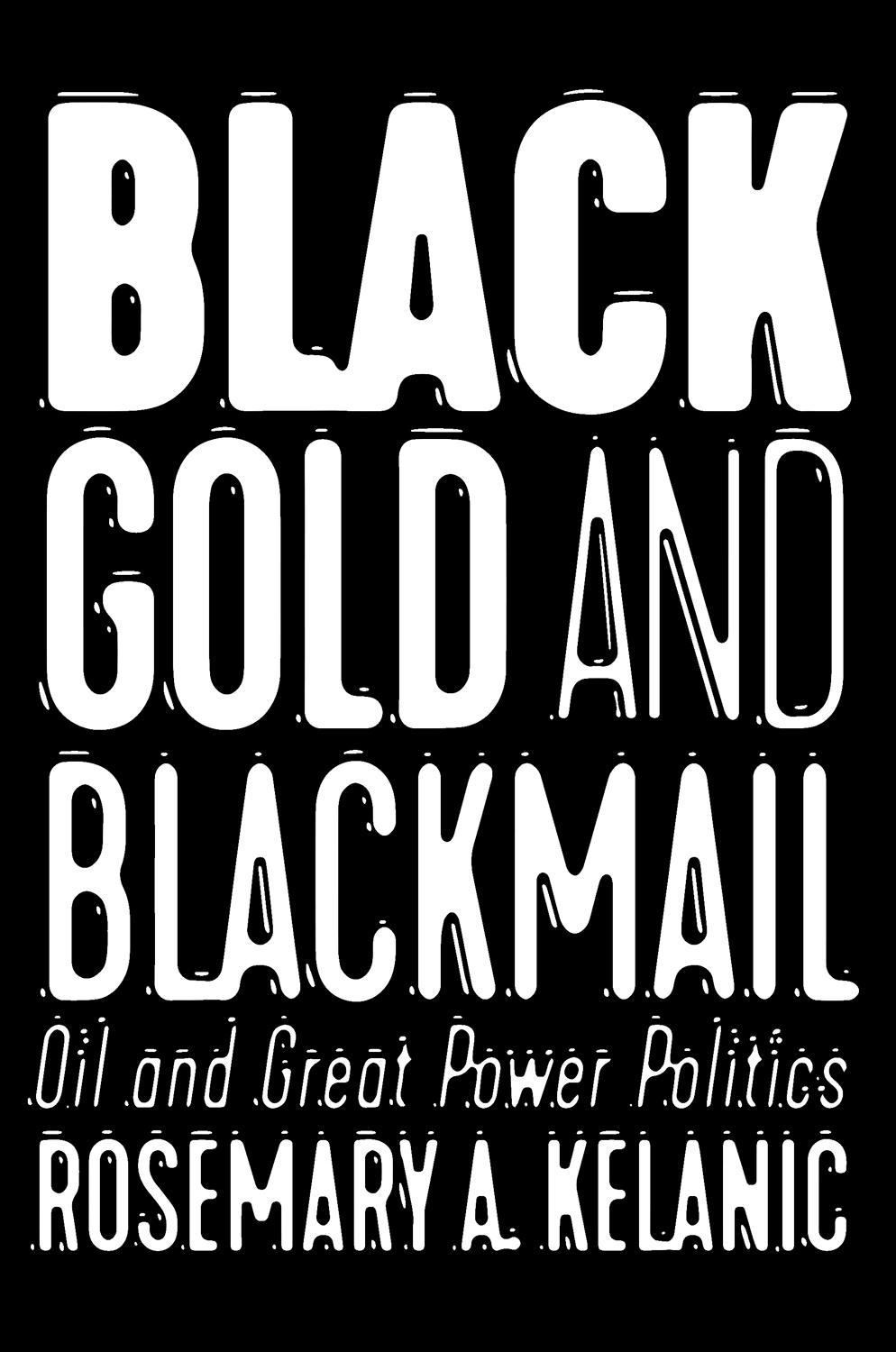
Black Gold and Blackmail seeks to explain why great powers adopt such different strategies to protect their oil access from politically motivated disruptions. In extreme cases, such as Imperial Japan in 1941, great powers fought wars to grab oil territory in anticipation of a potential embargo by the Allies; in other instances, such as Germany in the early Nazi period, states chose relatively subdued measures like oil alliances or domestic policies to conserve oil. What accounts for this variation? Fundamentally, it is puzzling that great powers fear oil coercion at all because the global market makes oil sanctions very difficult to enforce.
Rosemary A. Kelanic argues that two variables determine what strategy a great power will adopt: the petroleum deficit, which measures how much oil the state produces domestically compared to what it needs for its strategic objectives; and disruptibility, which estimates the susceptibility of a state's oil imports to military interdiction—that is, blockade. Because global markets undercut the effectiveness of oil sanctions, blockade is in practice the only true threat to great power oil access. That, combined with the devastating consequences of oil deprivation to a state's military power, explains why states fear oil coercion deeply despite the adaptive functions of the market.
Together, these two variables predict a state's coercive vulnerability, which determines how willing the state will be to accept the costs and risks attendant on various potential strategies. Only those great powers with large deficits and highly disruptible imports will adopt the most extreme strategy: direct control of oil through territorial conquest.
Before Memmo my notes were scattered across PDFs. Now a workspace pulls everything into one place — I see exactly what's still left to study.
Memmo's summaries are gold before exams. I don't have to re-read 800 pages two weeks before — just the important parts.
The AI chat has saved me the night before an exam more than once. I just keep asking until I get it — no waiting on a study group to reply.
The quizzes hit exactly what I need to know. Memmo tracks what I get stuck on — so I only practice what's worth it.
Flashcards with spaced repetition are magic. Memmo knows when I'm about to forget something and brings it back.
The AI podcasts are my favorite. I listen on my way to school and get a recap without sitting at a computer.

Handbok i kvalitativa metoder
281 kr

Hållbar utveckling: en introduktion för ingenjörer och andra problemlösare
334 kr

Brymans Samhällsvetenskapliga metoder
390 kr

Projektledning
491 kr

Den orättvisa hälsan: om socioekonomiska skillnader i hälsa och livslängd
326 kr

Organizational Leadership
429 kr

Vetenskapsteori för nybörjare
196 kr

På väg mot läraryrket
172 kr

Det sociala livet i skolan: Socialpsykologiska perspektiv
253 kr

Betygsättningens didaktik
151 kr

Personality
402 kr

Studying Leadership
404 kr

Managing Innovation
477 kr

Introduktion till samhällsvetenskaplig metod
347 kr

The Psychology of Sex and Gender
698 kr

Evidens och kunskap för socialt arbete
207 kr

Introduction to Leadership
605 kr