
Before Memmo my notes were scattered across PDFs. Now a workspace pulls everything into one place — I see exactly what's still left to study.
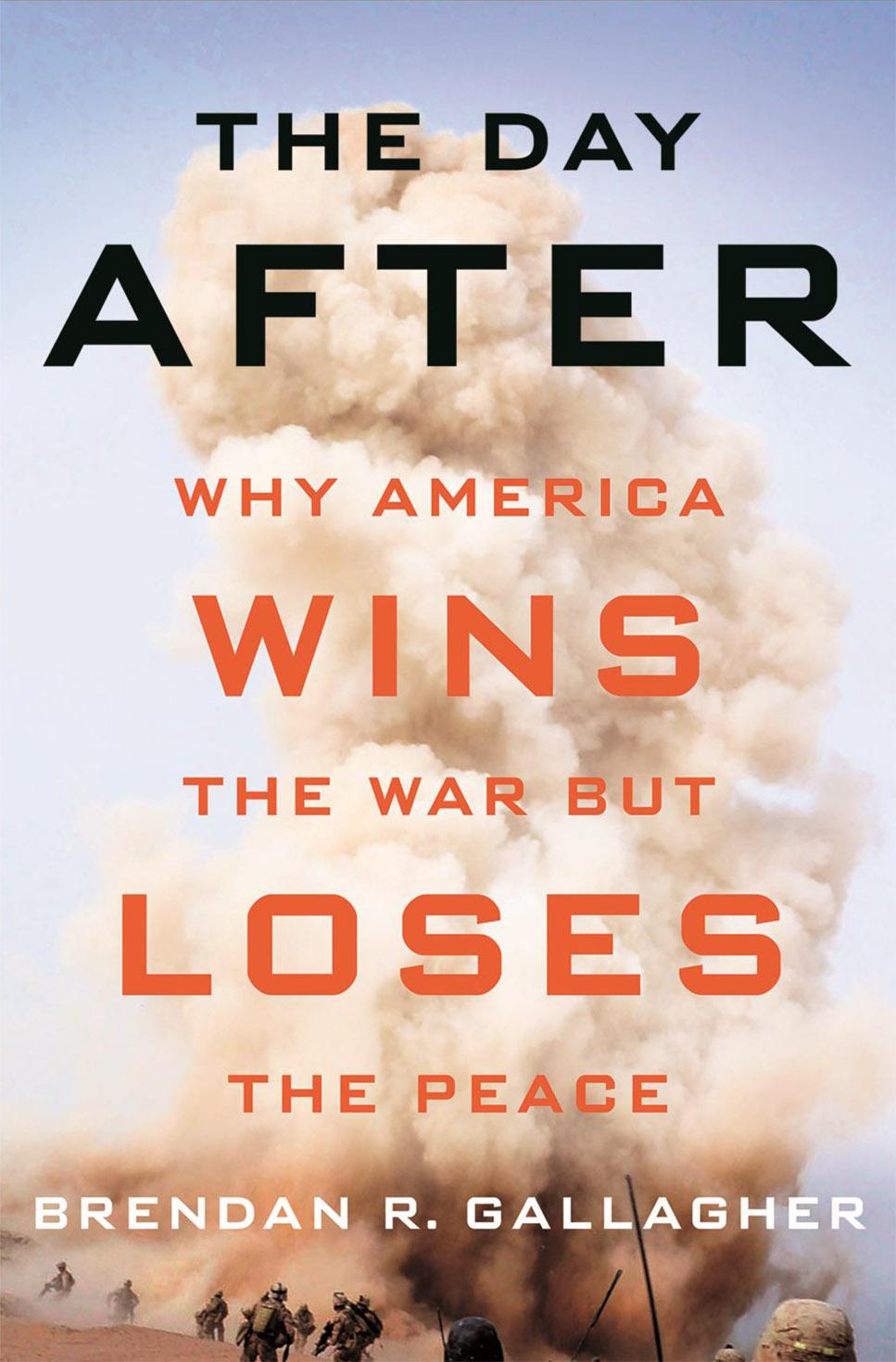
Since 9/11, why have we won smashing battlefield victories only to botch nearly everything that comes next? In the opening phases of war in Afghanistan, Iraq, and Libya, we mopped the floor with our enemies. But in short order, things went horribly wrong.
We soon discovered we had no coherent plan to manage the "day after." The ensuing debacles had truly staggering consequences—many thousands of lives lost, trillions of dollars squandered, and the apparent discrediting of our foreign policy establishment. This helped set the stage for an extraordinary historical moment in which America's role in the world, along with our commitment to democracy at home and abroad, have become subject to growing doubt. With the benefit of hindsight, can we discern what went wrong? Why have we had such great difficulty planning for the aftermath of war?
In The Day After, Brendan Gallagher—an Army lieutenant colonel with multiple combat tours to Iraq and Afghanistan, and a Princeton Ph.D.—seeks to tackle this vital question. Gallagher argues there is a tension between our desire to create a new democracy and our competing desire to pull out as soon as possible. Our leaders often strive to accomplish both to keep everyone happy. But by avoiding the tough underlying decisions, it fosters an incoherent strategy. This makes chaos more likely.
The Day After draws on new interviews with dozens of civilian and military officials, ranging from US cabinet secretaries to four-star generals. It also sheds light on how, in Kosovo, we lowered our postwar aims to quietly achieve a surprising partial success. Striking at the heart of what went wrong in our recent wars, and what we should do about it, Gallagher asks whether we will learn from our mistakes, or provoke even more disasters? Human lives, money, elections, and America's place in the world may hinge on the answer.
Before Memmo my notes were scattered across PDFs. Now a workspace pulls everything into one place — I see exactly what's still left to study.
Memmo's summaries are gold before exams. I don't have to re-read 800 pages two weeks before — just the important parts.
The AI chat has saved me the night before an exam more than once. I just keep asking until I get it — no waiting on a study group to reply.
The quizzes hit exactly what I need to know. Memmo tracks what I get stuck on — so I only practice what's worth it.
Flashcards with spaced repetition are magic. Memmo knows when I'm about to forget something and brings it back.
The AI podcasts are my favorite. I listen on my way to school and get a recap without sitting at a computer.

Handbok i kvalitativa metoder
281 kr

Hållbar utveckling: en introduktion för ingenjörer och andra problemlösare
334 kr

Brymans Samhällsvetenskapliga metoder
390 kr

Projektledning
491 kr

Den orättvisa hälsan: om socioekonomiska skillnader i hälsa och livslängd
326 kr

Organizational Leadership
429 kr

Vetenskapsteori för nybörjare
196 kr

På väg mot läraryrket
172 kr

Det sociala livet i skolan: Socialpsykologiska perspektiv
253 kr

Betygsättningens didaktik
151 kr

Personality
402 kr

Studying Leadership
404 kr

Managing Innovation
477 kr

Introduktion till samhällsvetenskaplig metod
347 kr

The Psychology of Sex and Gender
698 kr

Evidens och kunskap för socialt arbete
207 kr

Introduction to Leadership
605 kr