
Before Memmo my notes were scattered across PDFs. Now a workspace pulls everything into one place — I see exactly what's still left to study.
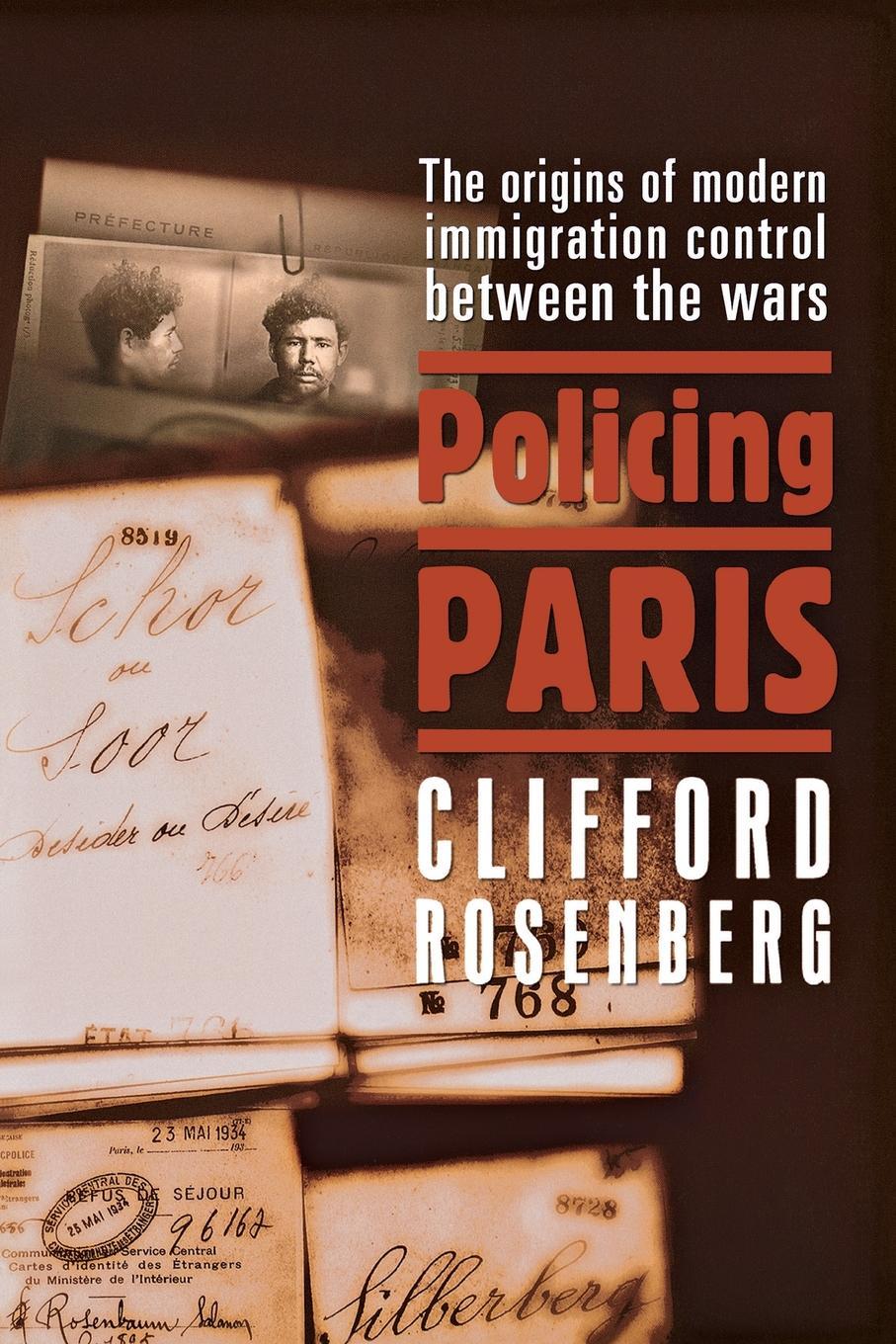
The surveillance of immigrants and potential terrorists preoccupies leaders throughout the industrialized world. Yet these concerns are hardly new. Policing Paris examines a critical moment in the history of immigration control and political surveillance. Drawing on massive police archives and other materials, Clifford Rosenberg shows how in the years after the Great War the French police, terrified by the Bolshevik Revolution and the specter of immigrant criminality, became the first major force anywhere systematically to enforce distinctions of citizenship and national origins.
As the French capital emerged as a haven for refugees, dissidents, and workers from throughout Europe and across the Mediterranean in the 1920s, police officers raided immigrant neighborhoods to scare illegal aliens into registering with authorities and arrested those whose papers were not in order. The police began to concentrate on colonial workers from North Africa, tracking these workers with a special police brigade and segregating them in their own hospital when they fell ill. Transformed by their enforcement, legal categories that had existed for hundreds of years began to matter as never before. They determined whether or not families could remain together and whether people could keep their jobs or were forced to flee.
During World War II, identity controls marked out entire populations for physical destruction. The treatment of foreigners during the Third Republic, Rosenberg contends, shaped the subsequent treatment of Jews by Vichy. At the same time, however, he argues that the new methods of identification pioneered between the wars are more directly relevant to the present day. They created forms of inclusion and inequality that remain pervasive, as industrial welfare states around the world find themselves compelled to provide benefits to their own citizens and recruit foreign nationals to satisfy their labor needs.
Before Memmo my notes were scattered across PDFs. Now a workspace pulls everything into one place — I see exactly what's still left to study.
Memmo's summaries are gold before exams. I don't have to re-read 800 pages two weeks before — just the important parts.
The AI chat has saved me the night before an exam more than once. I just keep asking until I get it — no waiting on a study group to reply.
The quizzes hit exactly what I need to know. Memmo tracks what I get stuck on — so I only practice what's worth it.
Flashcards with spaced repetition are magic. Memmo knows when I'm about to forget something and brings it back.
The AI podcasts are my favorite. I listen on my way to school and get a recap without sitting at a computer.

Handbok i kvalitativa metoder
281 kr

Hållbar utveckling: en introduktion för ingenjörer och andra problemlösare
334 kr

Brymans Samhällsvetenskapliga metoder
390 kr

Projektledning
491 kr

Den orättvisa hälsan: om socioekonomiska skillnader i hälsa och livslängd
326 kr

Vetenskapsteori för nybörjare
196 kr

Organizational Leadership
429 kr

På väg mot läraryrket
172 kr

Det sociala livet i skolan: Socialpsykologiska perspektiv
253 kr

Betygsättningens didaktik
151 kr

Personality
402 kr

Studying Leadership
404 kr

Managing Innovation
477 kr

Introduktion till samhällsvetenskaplig metod
347 kr

The Psychology of Sex and Gender
698 kr

Evidens och kunskap för socialt arbete
207 kr

Introduction to Leadership
605 kr