
Before Memmo my notes were scattered across PDFs. Now a workspace pulls everything into one place — I see exactly what's still left to study.
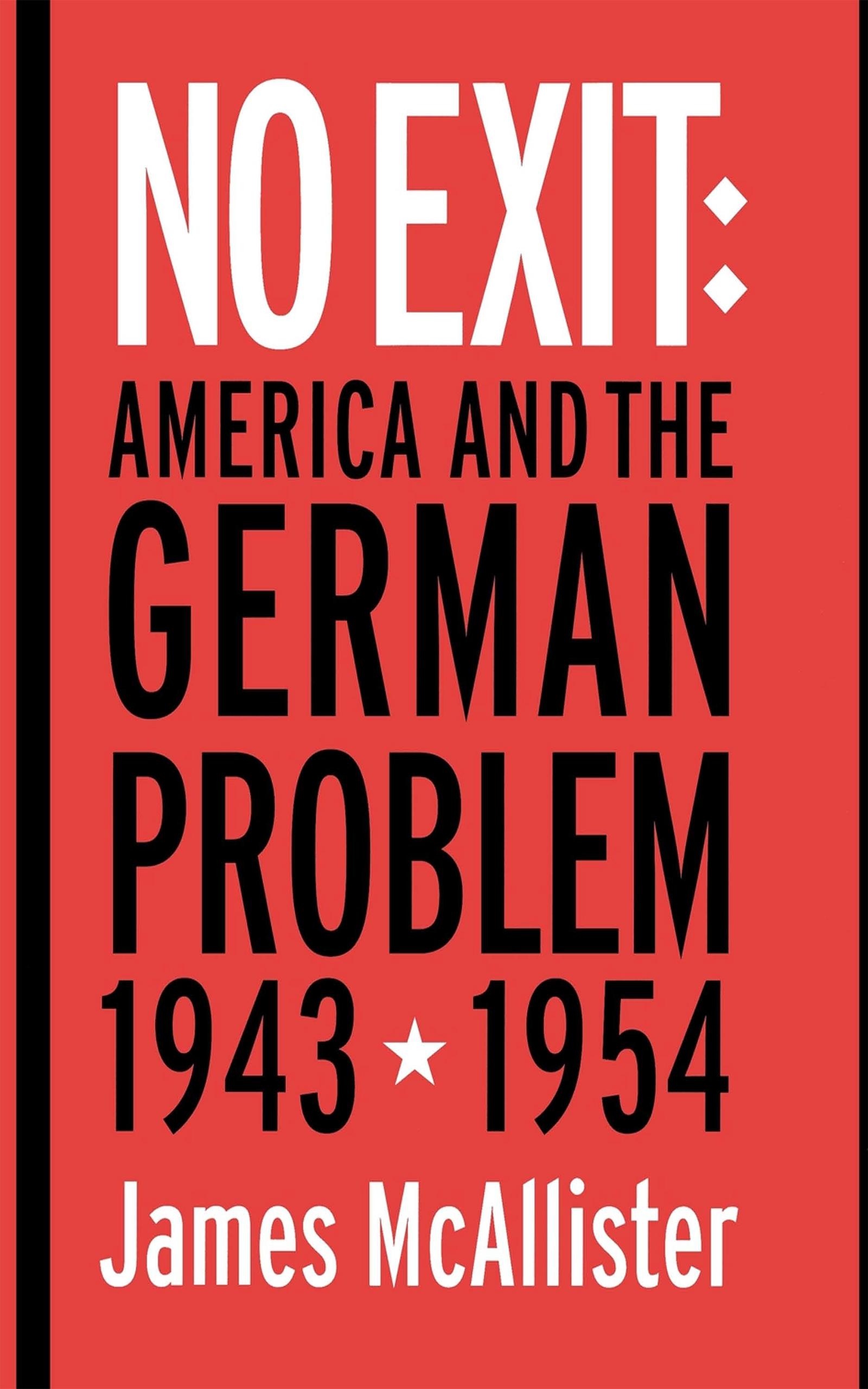
James McAllister outlines a new account of early Cold War history, one that focuses on the emergence of a bipolar structure of power, the continuing importance of the German question, and American efforts to create a united Western Europe. Challenging the conventional wisdom among both international relations theorists and Cold War historians, McAllister argues that America's central objective from the Second World War to the mid-1950s was to create a European order that could be peaceful and stable without requiring the permanent presence of American ground forces on the continent.
The permanent presence of American forces in Europe is often seen as a lesson that policymakers drew from the disastrous experiences of two world wars, but McAllister's archival research reveals that both FDR and Eisenhower, as well as influential strategists such as George Kennan, did not draw this lesson. In the short term, American power was necessary to balance the Soviet Union and reassure Western Europe about the revival of German power, but America's long-term objective was to create the conditions under which Western Europe could take care of both of these problems on their own. In the author's view, the key element of this strategy was the creation of the European Defense Community. If Western Germany could be successfully integrated and rearmed within the context of the EDC, Western Europe would have taken the most important step to becoming a superpower on par with the United States and the Soviet Union. Understanding why this strategy was pursued and why it failed, McAllister asserts, has important implications for both international relations theory and contemporary questions of American foreign policy.
Before Memmo my notes were scattered across PDFs. Now a workspace pulls everything into one place — I see exactly what's still left to study.
Memmo's summaries are gold before exams. I don't have to re-read 800 pages two weeks before — just the important parts.
The AI chat has saved me the night before an exam more than once. I just keep asking until I get it — no waiting on a study group to reply.
The quizzes hit exactly what I need to know. Memmo tracks what I get stuck on — so I only practice what's worth it.
Flashcards with spaced repetition are magic. Memmo knows when I'm about to forget something and brings it back.
The AI podcasts are my favorite. I listen on my way to school and get a recap without sitting at a computer.

Handbok i kvalitativa metoder
281 kr

Hållbar utveckling: en introduktion för ingenjörer och andra problemlösare
334 kr

Brymans Samhällsvetenskapliga metoder
390 kr

Projektledning
491 kr

Den orättvisa hälsan: om socioekonomiska skillnader i hälsa och livslängd
326 kr

Organizational Leadership
429 kr

Vetenskapsteori för nybörjare
196 kr

På väg mot läraryrket
172 kr

Det sociala livet i skolan: Socialpsykologiska perspektiv
253 kr

Betygsättningens didaktik
151 kr

Personality
402 kr

Studying Leadership
404 kr

Managing Innovation
477 kr

Introduktion till samhällsvetenskaplig metod
347 kr

The Psychology of Sex and Gender
698 kr

Evidens och kunskap för socialt arbete
207 kr

Introduction to Leadership
605 kr