
Before Memmo my notes were scattered across PDFs. Now a workspace pulls everything into one place — I see exactly what's still left to study.
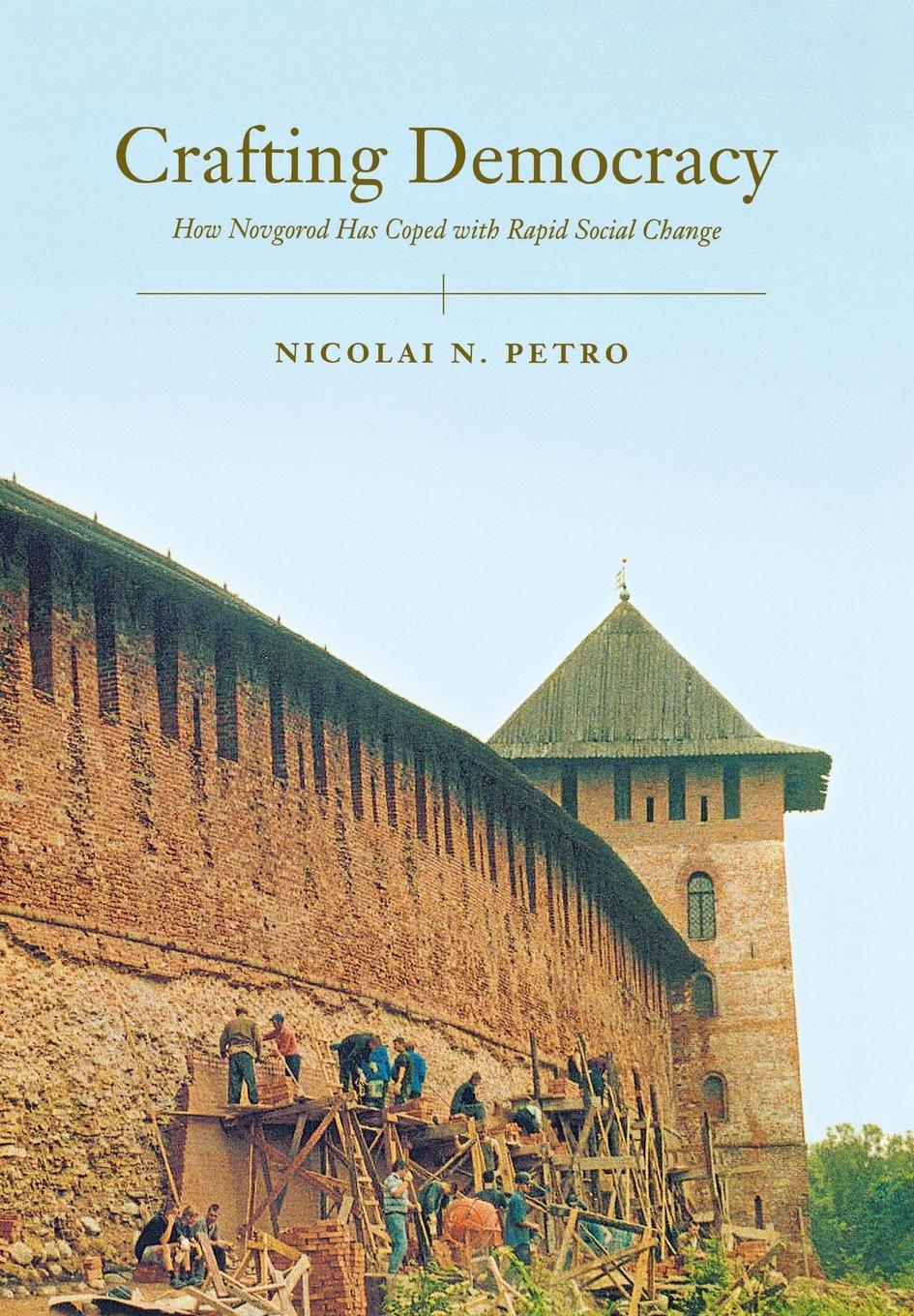
The Novgorod region of Russia is a sparsely populated area about the size of Ireland better known for its medieval archaeology and folklore than for anything else. Although Novgorod began the post-Soviet period with no unusual endowment of natural or human resources, it has attracted a large amount of foreign investment. Its dramatic economic success and political innovation have impressed observers. Local governments deliver benefits and services reliably, and the regional government responds quickly to citizens' needs and demands. Something noteworthy is happening in Novgorod that does not square with familiar headlines about contemporary Russia: oligarchs and oil, ethnic tensions and corruption.
Nicolai N. Petro attempts to explain the Novgorod phenomenon by seeking answers at the regional level. Novgorod is, he finds, a model of effective democratic consolidation. Petro suggests that the region owes its unexpected recent success to its political elites, who have identified key cultural symbols and used those symbols to promote democratic development. Drawing on comparisons with other regions and countries, Petro finds that these cultural tactics often yield better results than do Western-style institutions and educational training programs.
"Current efforts to promote democracy focus too much on structural changes and not enough on the conditions needed to sustain them," Petro writes. "For the rule of law, free markets, and free and fair elections to gain broad public support, they must first make sense within the local cultural tradition." The unexpected success of regional democratic development in a country not known for its democratic traditions suggests that local governments can transform the burden of the past into an ally of change, a finding with implications for democratic development initiatives in other areas of the world.
Before Memmo my notes were scattered across PDFs. Now a workspace pulls everything into one place — I see exactly what's still left to study.
Memmo's summaries are gold before exams. I don't have to re-read 800 pages two weeks before — just the important parts.
The AI chat has saved me the night before an exam more than once. I just keep asking until I get it — no waiting on a study group to reply.
The quizzes hit exactly what I need to know. Memmo tracks what I get stuck on — so I only practice what's worth it.
Flashcards with spaced repetition are magic. Memmo knows when I'm about to forget something and brings it back.
The AI podcasts are my favorite. I listen on my way to school and get a recap without sitting at a computer.

Handbok i kvalitativa metoder
281 kr

Hållbar utveckling: en introduktion för ingenjörer och andra problemlösare
334 kr

Brymans Samhällsvetenskapliga metoder
390 kr

Projektledning
491 kr

Den orättvisa hälsan: om socioekonomiska skillnader i hälsa och livslängd
326 kr

Organizational Leadership
429 kr

Vetenskapsteori för nybörjare
196 kr

På väg mot läraryrket
172 kr

Det sociala livet i skolan: Socialpsykologiska perspektiv
253 kr

Betygsättningens didaktik
151 kr

Personality
402 kr

Studying Leadership
404 kr

Managing Innovation
477 kr

Introduktion till samhällsvetenskaplig metod
347 kr

The Psychology of Sex and Gender
698 kr

Evidens och kunskap för socialt arbete
207 kr

Introduction to Leadership
605 kr